It's time to upgrade your browser

Your current browser is no longer supported on llbean.com. Please upgrade to one of the following for a smoother, safer shopping experience with us:

Low Rise Jeans

Explore low rise jeans for a fit that sits below your natural waist. Compare individual styles and check each pair’s rise, leg shape and sizing details to find the silhouette you prefer.
Read More
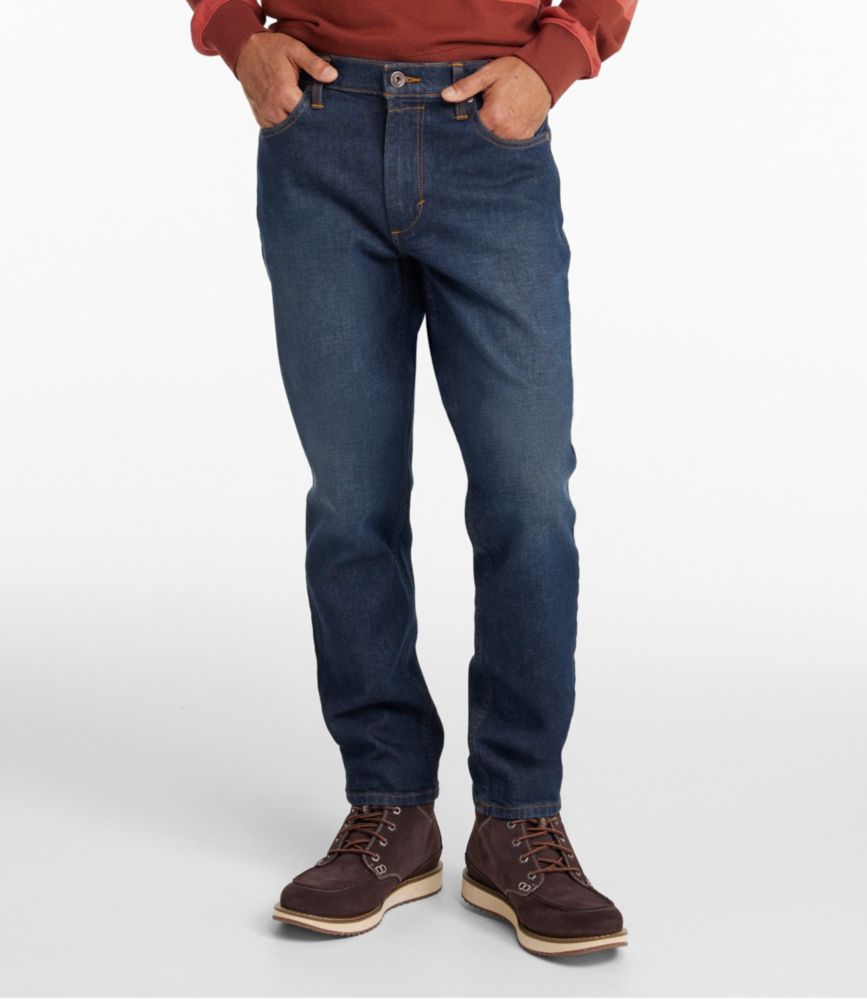
Men's Vintage 1912 Jeans, Slim Fit
L.L.Bean Men's Vintage 1912 Jeans, Slim Fit
A pair of slim fit, straight leg jeans in classic medium, made from a durable cotton blend.
(0)
$99.95 $84.99
SALE
$99.95 $84.99
SALE
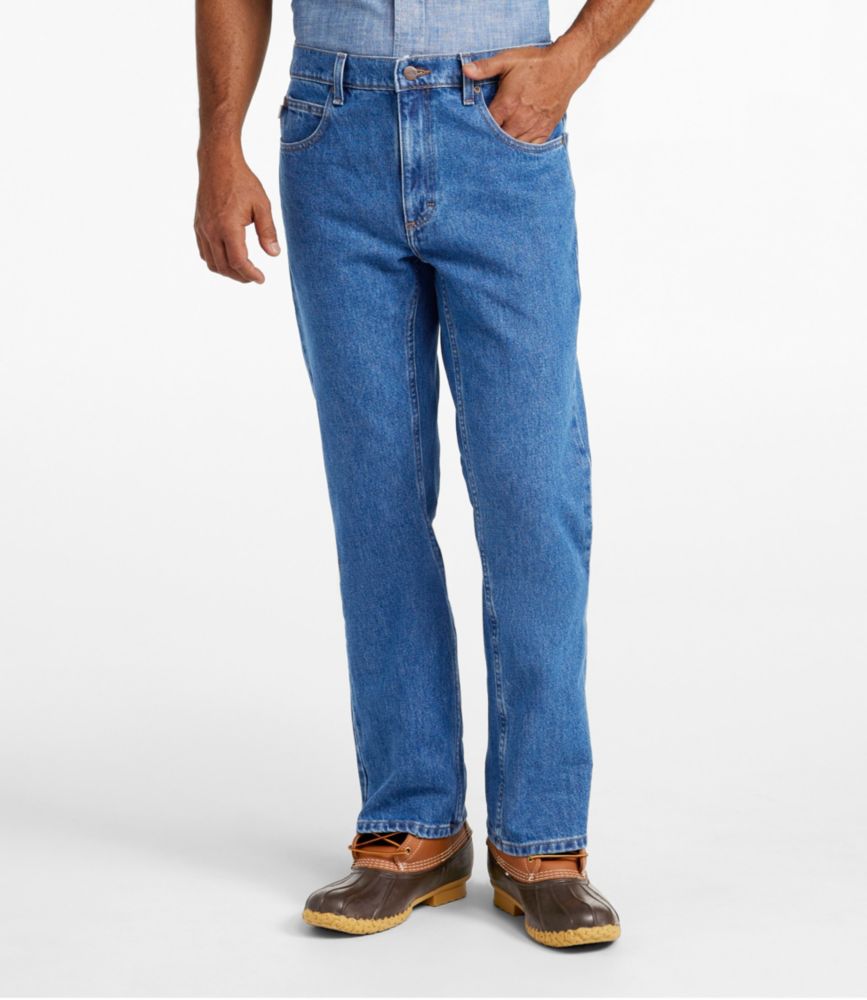
Men's Double L® Jeans, Standard Fit
L.L.Bean Men's Double L® Jeans, Standard Fit
A pair of rugged, heavyweight 100% cotton denim jeans with a straight leg and standard fit.
(2,683)
$69.95 $69.95
SALE
What customers like:
Flattering fit
Perfect fit
Well-made
Softness
Comfortable
$69.95 $69.95
SALE
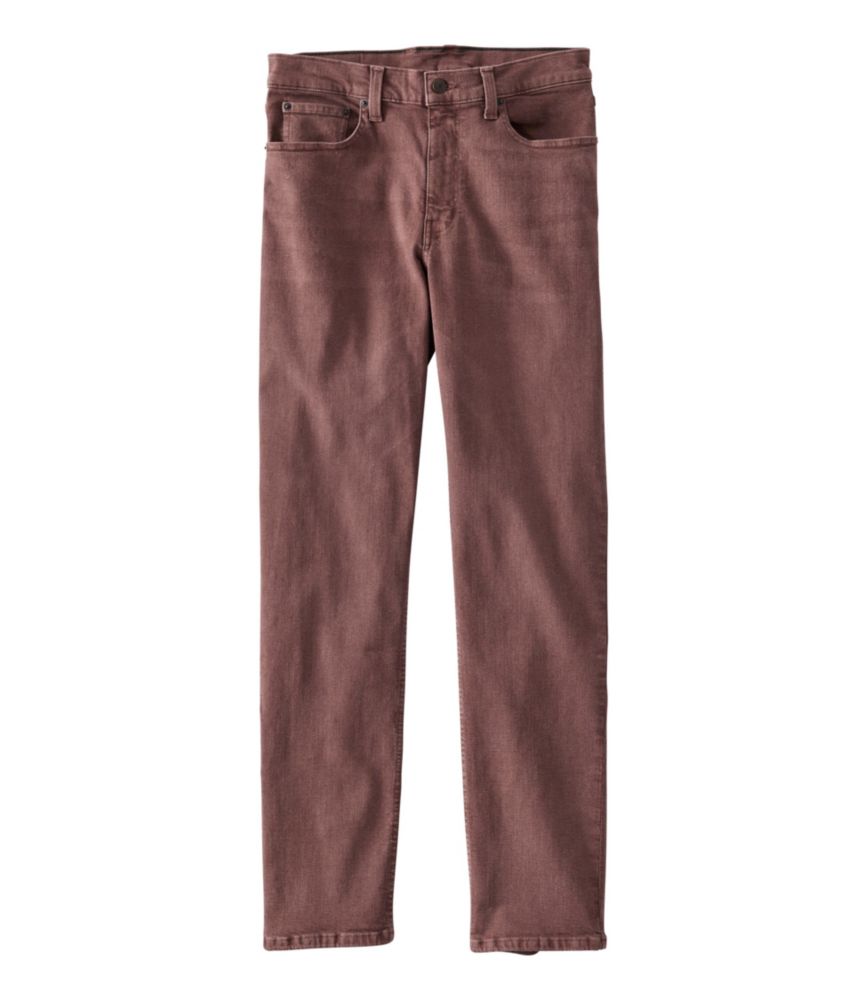
Men's BeanFlex® Jeans, Standard Athletic Fit
L.L.Bean Men's BeanFlex® Jeans, Standard Athletic Fit
A versatile brown denim cotton blend jean with moisture-wicking stretch fabric for all-season comfort.
(3,962)
$89.95 $75.99
SALE
What customers like:
High quality
Perfect fit
Durable fabric
Versatile style
Softness and comfort
$89.95 $75.99
SALE
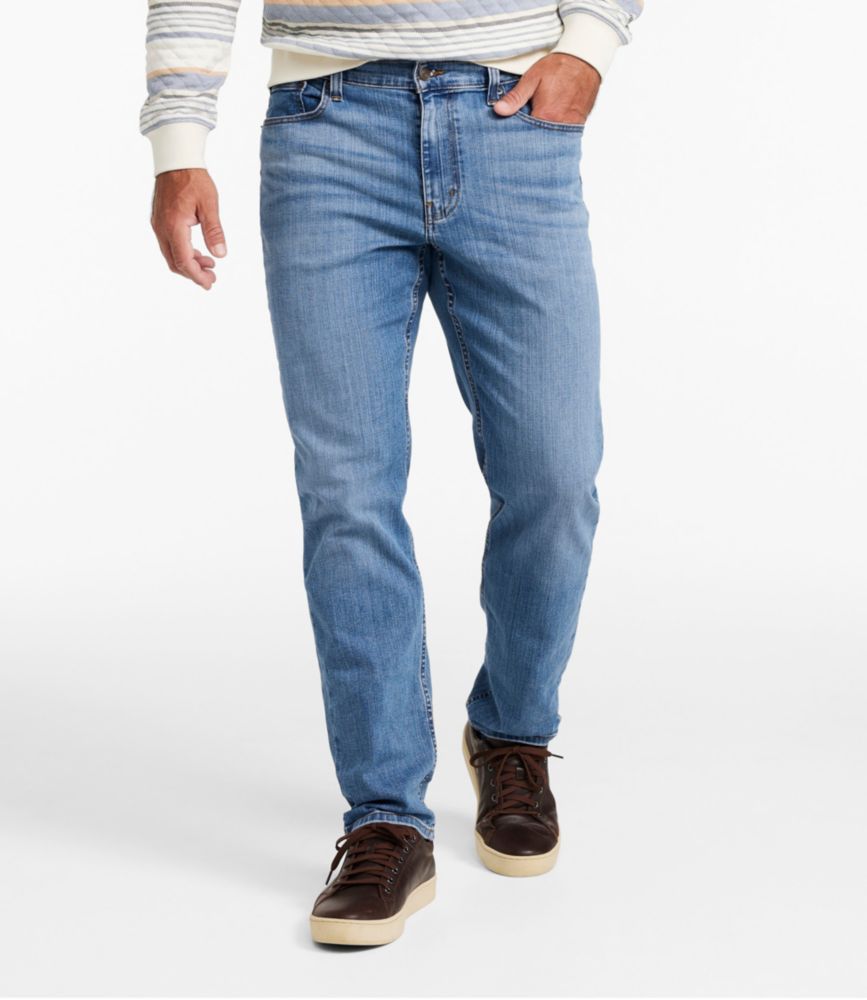
Men's BeanFlex® Jeans, Slim Fit
L.L.Bean Men's BeanFlex® Jeans, Slim Fit
A pair of slim fit, straight leg jeans in faded black, made from a flexible denim cotton blend.
(1,666)
$89.95 $89.95
SALE
What customers like:
High quality
Perfect fit
Very comfortable
True size
Great color
$89.95 $89.95
SALE

Low Rise Jeans

Low-rise jeans sit below the natural waist, with the waistband resting closer to the hips than it does on mid-rise or high-rise jeans. That lower placement is the defining detail, not the width of the leg or the length of the hem. A low rise can be paired with different silhouettes, so two pairs with similar waistband positions may have quite different shapes. One may follow the leg closely, while another falls straight from the hip or widens toward the hem. The distinction matters when choosing a pair: rise describes where the jeans sit, while leg shape describes the outline below that point. Although low-rise jeans are sometimes described as sitting two to four inches below the navel, that range is only a general reference. Body proportions and the cut of the jeans affect the actual placement, and the navel is not a standardized measuring point. Front rise is generally measured from the crotch seam to the top of the front waistband; checking the stated measurement gives a more useful comparison than relying on a style name alone. A favorite pair already in the closet can provide a helpful starting point, especially when its waistband sits exactly where it feels right. Lay that pair flat, measure its front rise, and compare the result with the measurements given for another pair, following the same measuring method. The goal is not to find a universally correct number, but to recognize the proportions that suit personal preferences. For someone who likes a waistband below the natural waist, low-rise jeans offer a distinct alternative to higher-waisted silhouettes without dictating an entire look. Their appeal is in that relationship between waist placement, leg shape, and the clothes worn alongside them—a familiar wardrobe staple with a different point of emphasis.

Fit deserves attention beyond the rise measurement because a lower waistband rests around a different part of the body. A waist measurement taken at the narrowest point of the torso may not describe the circumference where low-rise jeans actually sit. Following the size chart’s measuring directions helps keep those two measurements from being confused. Hip measurements, inseam, and the shape through the seat and thigh add useful context, while front and back rise measurements, when provided, help describe the cut more completely. Back rise is particularly worth noting when comparing pairs that look similar from the front. During a try-on, notice where the waistband rests while standing, then sit in a chair and check whether that position still feels right. A waistband that looks good in the mirror but requires repeated adjustment may not be the preferred fit. Likewise, sizing down simply to hold the waistband higher can change the fit elsewhere rather than recreate the intended shape. Low rise is a design choice, not a reason to accept pinching at the hips or unwanted looseness through the seat. Length is a separate decision, and even a small difference at the hem can change the overall outline. A hem ending near the ankle gives a different impression from one that meets the top of a shoe or forms a slight break over it. Comparing jeans with the shoes likely to be worn alongside them makes that distinction easier to see. Preferences can also differ from one pair to another; liking a low waistband does not mean every pair of jeans needs the same rise. For a different waistband placement, Mid Rise Elastic Jeans provides another category to consider. Keeping rise, waist construction, leg shape, and length as separate choices makes comparisons clearer and leaves room for personal taste rather than a single rule about how jeans should fit.

The character of low-rise jeans also comes through in the proportions around them. A top that ends near the waistband draws attention to the lower waist placement, while a longer untucked top leaves that detail less visible. Neither approach is required; the choice depends on how much of the jeans’ upper shape someone wants to show. A tucked shirt makes the waistband part of the outfit’s outline, and a loosely tucked front creates a different effect from a neat, complete tuck. When comparing these looks, pay attention to the shirt’s length at the sides and back as well as at the front. A top can meet the waistband while standing and sit differently when reaching or sitting, so a quick check in motion gives a fuller picture than a single mirror view. The relationship between the top and the leg shape matters, too. A closer-fitting top creates a visual contrast with a wider leg, while a roomier shirt over a straighter silhouette produces another balance. These are ways to explore proportion, not requirements tied to age, body type, or a passing trend. Wash, pocket placement, stitching, and hem details also influence the appearance of jeans, and clear photographs can help distinguish a clean, understated look from one with more visible detail. For questions about composition, construction, or care, the individual description and sewn-in label are better references than the low-rise designation itself. A rise label does not establish what jeans are made from, how they should be washed, or how they will wear over time. Follow the care directions for the particular pair rather than assuming that all jeans need the same treatment, and check those directions before making alterations. If choosing jeans as a gift, the recipient’s preferred rise and measurements are more useful than guessing from an usual clothing size alone. A well-liked pair can be a reference for both shape and length. Whether choosing a familiar silhouette or exploring a lower waistband for the first time, the most useful details remain straightforward: where the jeans sit, how their proportions compare, and whether the overall look feels like a natural part of the wearer’s style.
Read More

FAQs