It's time to upgrade your browser

Your current browser is no longer supported on llbean.com. Please upgrade to one of the following for a smoother, safer shopping experience with us:

Linen Tunics

Explore linen tunics with timeless style and an easygoing look. Browse the selection of tunic tops, then compare each product’s fabric composition, fit and length to find the right match for your wardrobe.
Read More
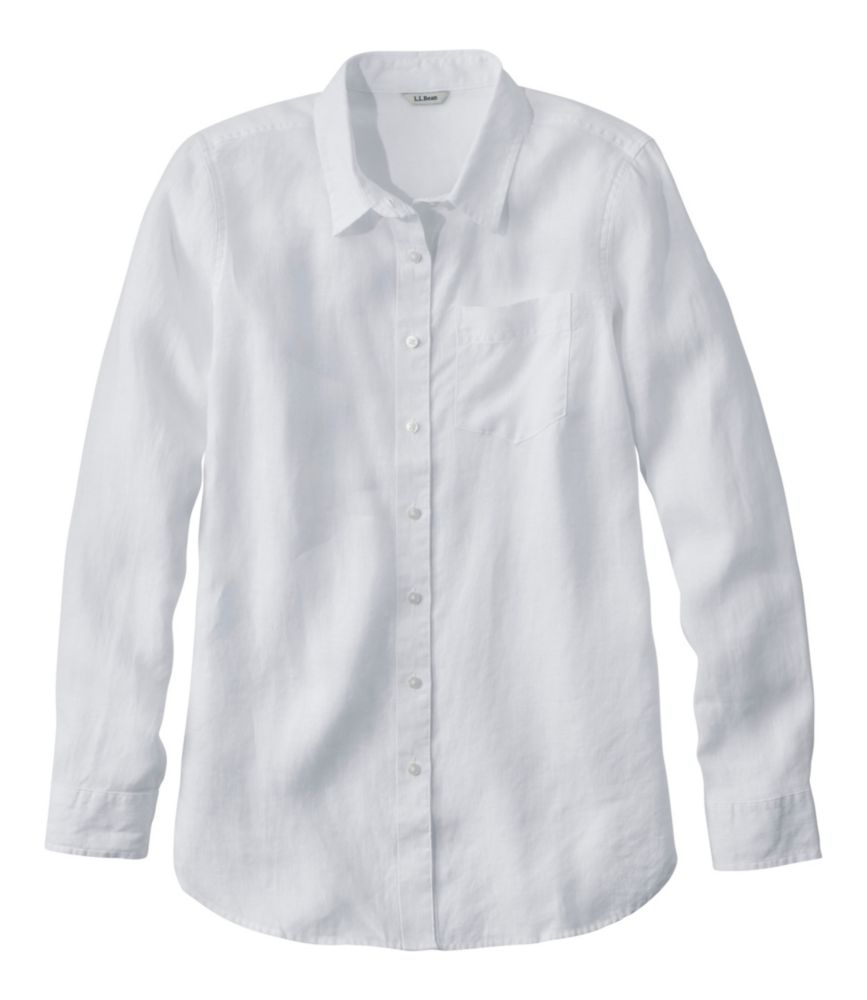
Women's Premium Washable Linen Shirt, Tunic
L.L.Bean Women's Premium Washable Linen Shirt, Tunic
A white linen tunic shirt that's cool, breathable, machine washable, and shaped with a longer length.
(810)
$79.95 $54.99
SALE
What customers like:
Versatile and stylish
Comfortable and breathable
High quality fabric
Flattering fit
Available in plus sizes
$79.95 $54.99
SALE
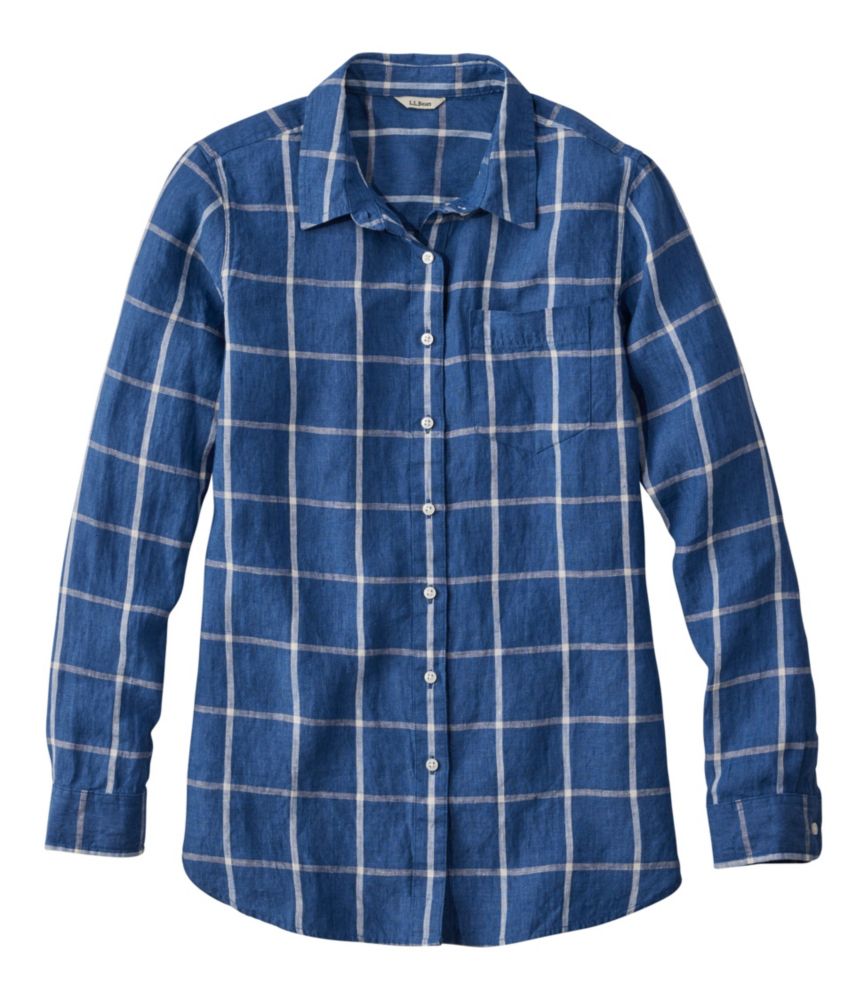
Women's Premium Washable Linen Shirt, Tunic Stripe
L.L.Bean Women's Premium Washable Linen Shirt, Tunic Stripe
A blue striped linen tunic shirt with soft drape, shirt collar, chest pocket, and shirttail hem.
(849)
$84.95 $31.99
SALE
What customers like:
Cool and breathable
Stylish colors
Flattering design
Quality material
Comfortable fit
$84.95 $31.99
SALE
Women's Premium Washable Linen Shirt, Splitneck Stripe
L.L.Bean Women's Premium Washable Linen Shirt, Splitneck Stripe
A blue striped linen shirt with a splitneck, bracelet sleeves, curved hem, and breathable, machine-washable comfort.
(0)
$64.95 $44.99
SALE
$64.95 $44.99
SALE
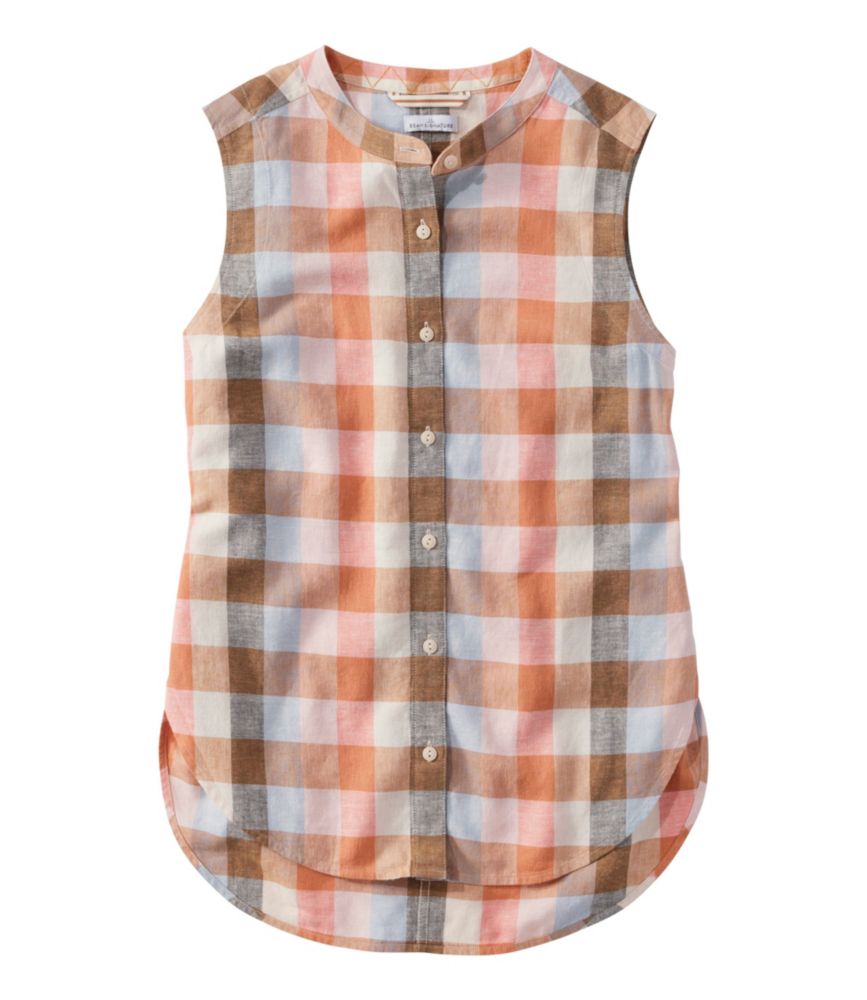
Women's Signature Linen-Blend Button-Front Shirt, Sleeveless
L.L.Bean Women's Signature Linen-Blend Button-Front Shirt, Sleeveless
A tan sleeveless linen-rayon shirt with a collarless design, button front, easy drape and tulip hem.
(0)
$79 $38.99
SALE
$79 $38.99
SALE

Linen Tunics

Linen tunics are linen tops with an elongated silhouette, typically falling below the hip, with the exact length depending on the design. That longer line is what sets a tunic apart from a shorter shirt, giving the hem a larger role in the overall look. A straight hem creates a clean, even outline, while a curved hem introduces a softer shape. Side openings, when part of the design, add another visual detail to consider, particularly where the tunic meets the waistband or pockets of the bottoms beneath it. The appeal lies in the balance of a familiar shirt shape and a little more length: straightforward, distinctive and easy to make personal. Necklines help define that character. A collar gives the upper half a more structured appearance, while an open neckline draws attention to the face and leaves room for a favorite necklace. A button-front design creates a vertical line through the center; a pullover keeps the front more uninterrupted. Sleeve shape matters just as much, whether the preference is for a narrow outline, a fuller sleeve or a clearly defined cuff. These are small distinctions, but together they determine whether a tunic feels close to a traditional shirt or has a looser, more flowing shape. Color and pattern bring another layer of choice. A solid color puts the emphasis on proportion and details, while a print or stripe becomes a more prominent part of the outfit. Rather than treating every linen tunic as the same basic top, consider the combination of neckline, sleeve, hem and overall shape. Those details make the difference between a piece that simply looks appealing on its own and one that belongs naturally alongside the clothes already in a wardrobe. A familiar favorite shirt can be a useful reference for identifying which details matter most, even when the desired tunic length is quite different.

Fit is especially important with a longer top because several proportions come into view at once. The shoulder, chest, sleeve and hem should be considered together rather than choosing by length alone. A tunic can have a generous outline without being oversized everywhere, and a straighter shape does not necessarily mean a close fit. Size information and garment measurements offer a clearer picture than either description by itself. Comparing those measurements with a well-fitting top laid flat can help show where a different silhouette will sit. Look at the distance from shoulder to hem, the width through the body and the sleeve length, following the measurement method provided for the garment. On a shorter frame, a tunic may fall farther down the thigh; on a taller frame, the same garment may sit closer to the hip. Neither result is automatically better—the right proportion depends on the look the wearer prefers. The relationship between top and bottom also changes the effect. A longer tunic over narrow pants emphasizes the contrast between a fuller upper shape and a slimmer lower line. With wider pants, the outline becomes more expansive, making the placement of the hem particularly noticeable. A tunic hem that ends near the widest part of the bottoms creates a different balance from one that ends above it. Looking at the outfit from the side, as well as the front, can make those differences clearer. Sleeve length deserves the same attention: a cuff ending at the wrist gives a different visual finish from a sleeve that stops farther up the arm. For anyone who prefers a simple wardrobe, repeating a favorite proportion can be more useful than chasing a different shape with every purchase. A familiar neckline, a preferred sleeve and a hem that falls where expected provide a practical starting point, leaving color or pattern to bring variety without changing everything about the fit.

Fabric information, construction details and care instructions complete the picture. Linen is the starting point for this collection, but the composition listed for an individual garment provides the information needed to understand that particular piece. Photographs can help reveal the appearance of the fabric and the way the tunic hangs, while close-up views may make details such as seams, buttons, cuffs and hems easier to assess. A detail that seems minor in a full-length image can become something the wearer notices each time the garment is put on. Consider whether a prominent button front is appealing, whether the neckline has the desired depth and whether the hem treatment suits the overall shape. Quality is worth considering in these details rather than judging by the silhouette alone. Care deserves equal attention before a choice is made. The garment’s care label should determine how it is washed, dried and pressed; linen garments should not all be assumed to have identical instructions. Checking those directions in advance helps establish whether the required routine fits the recipient’s preferences and household habits. Keeping the care information accessible also removes guesswork later. For a gift, personal taste and sizing are more useful starting points than an imagined occasion. Someone who already favors longer tops may appreciate a familiar outline, while a preferred collar or sleeve length can provide a more specific clue than color alone. An existing garment, measured with permission, can offer a helpful reference when choosing a size. For those considering how a tunic relates to other silhouettes, the broader Linen Clothing collection provides another place to explore. The most satisfying choice brings the details together: a shape that reflects personal style, proportions that make sense with the rest of the wardrobe and care requirements that are understood from the start. That considered approach keeps the focus on the garment itself and the person who will wear it.
Read More

FAQs