It's time to upgrade your browser

Your current browser is no longer supported on llbean.com. Please upgrade to one of the following for a smoother, safer shopping experience with us:

Lightweight Walking Shoes

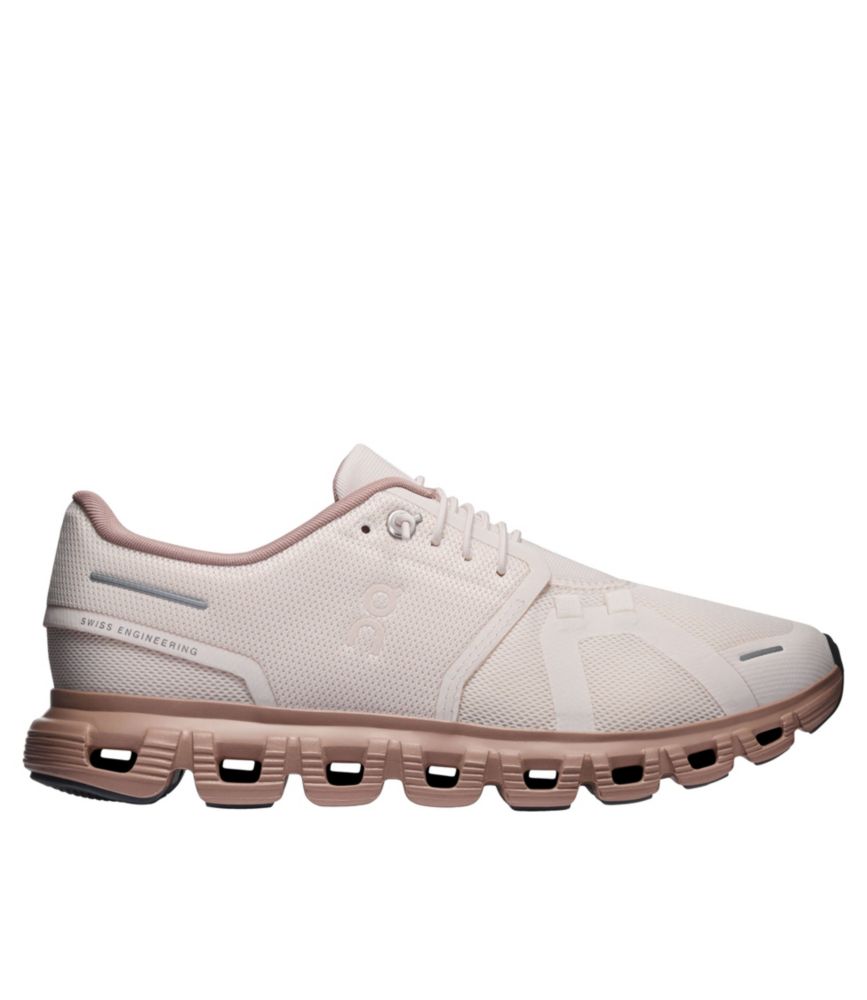
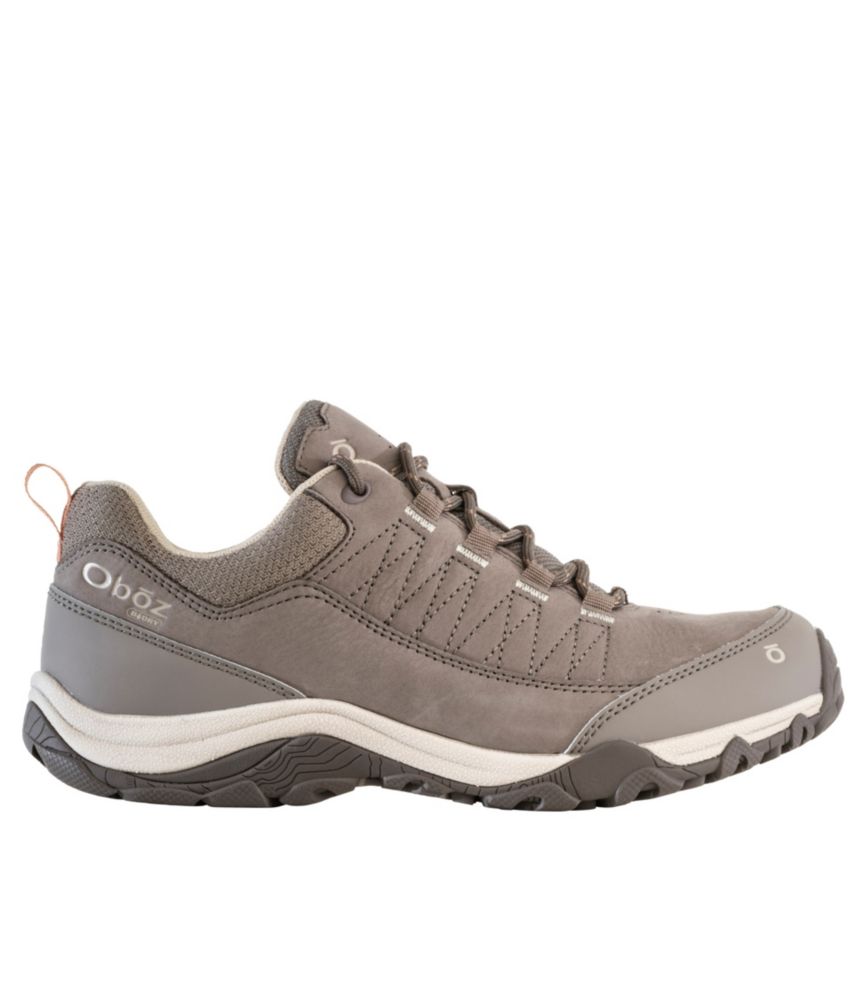
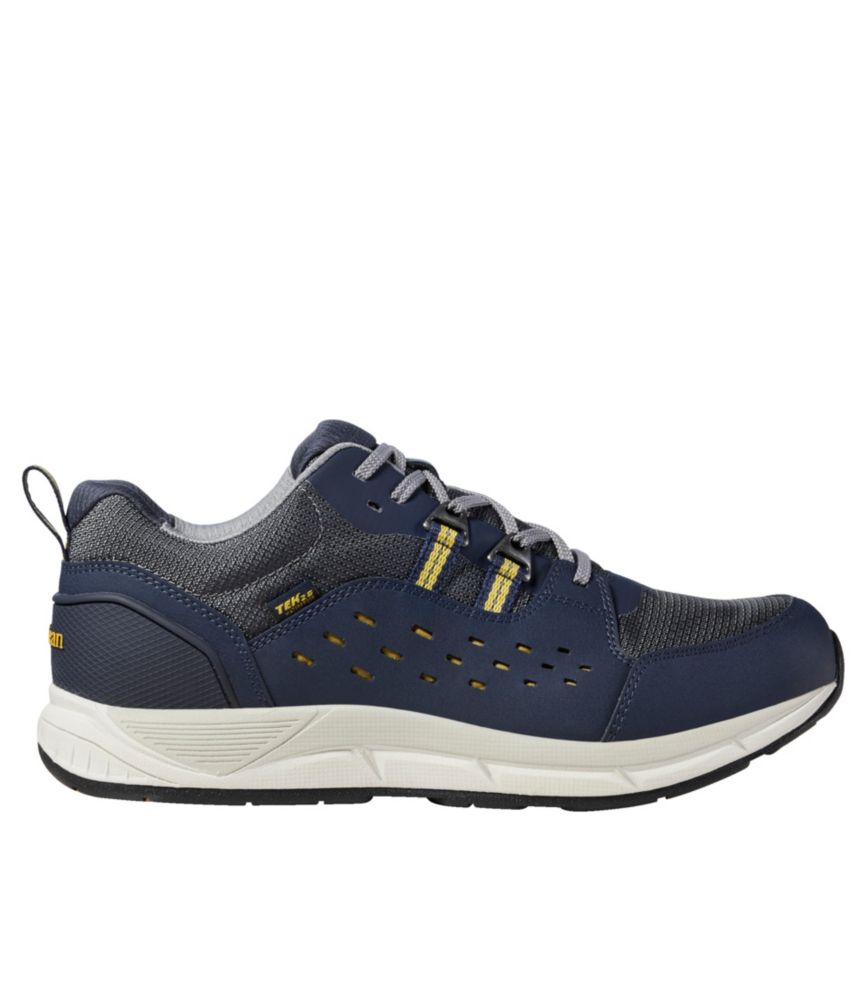
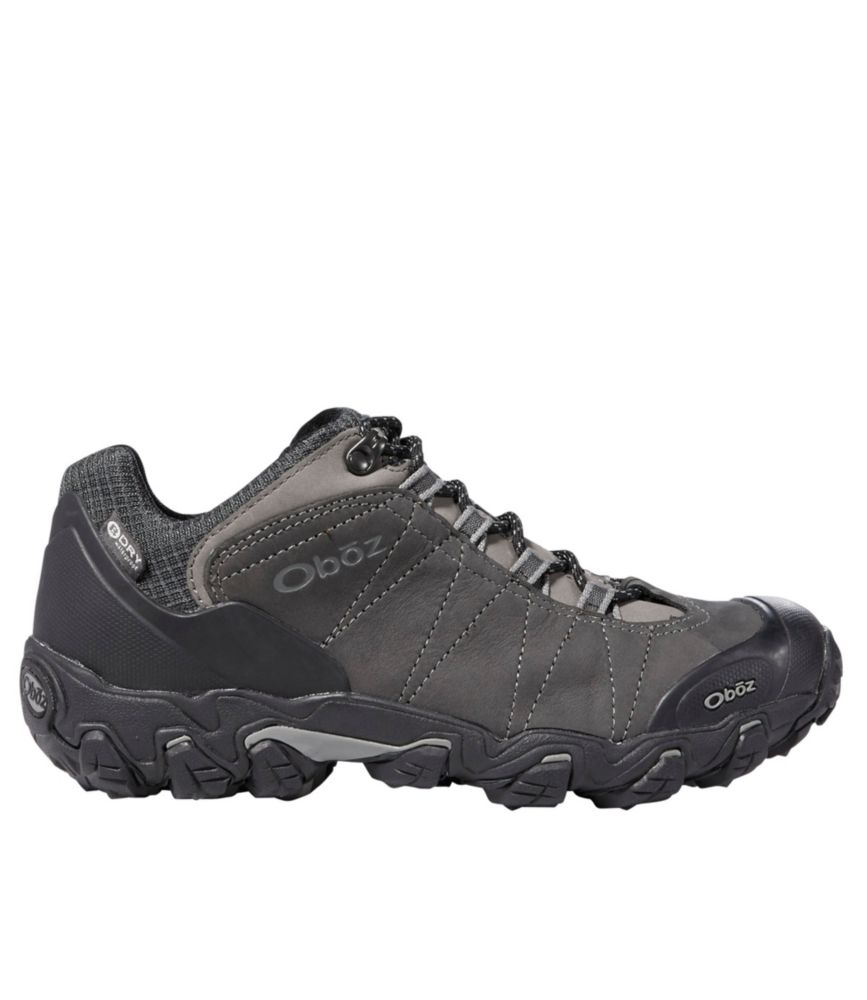
Find lightweight walking shoes for your daily walks, with styles to suit your personal taste. Compare available sizes and review each pair’s fit information and product details to help narrow down your choice.
Read More
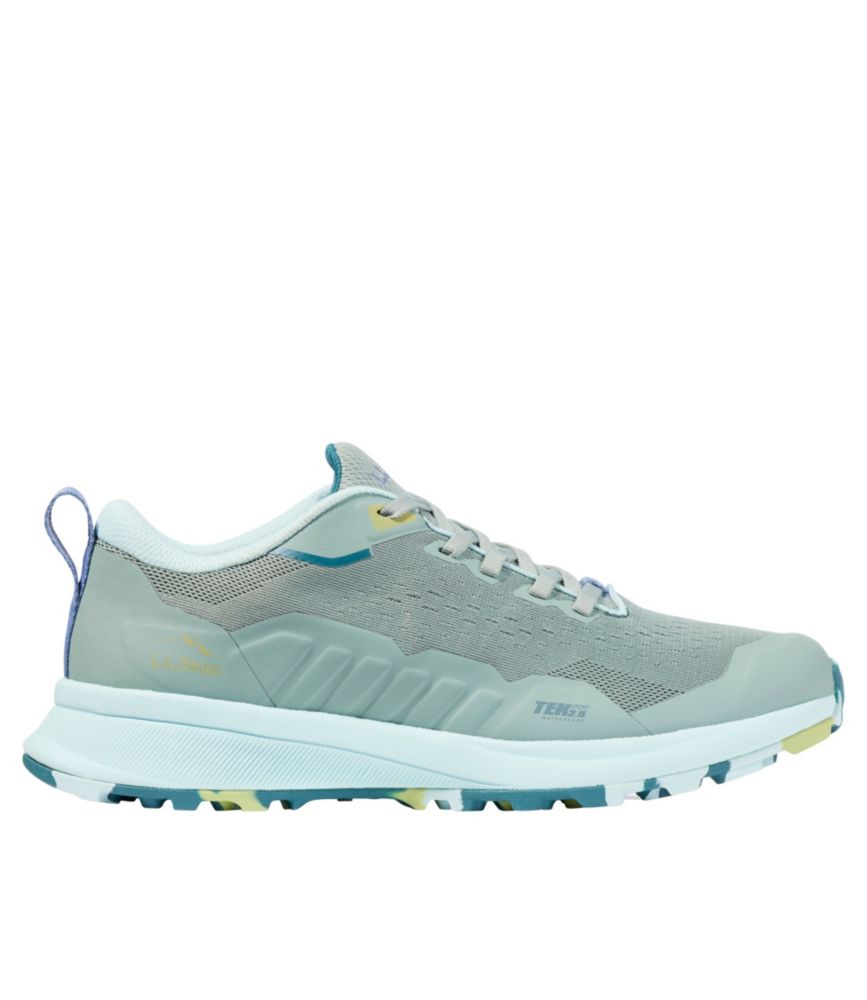
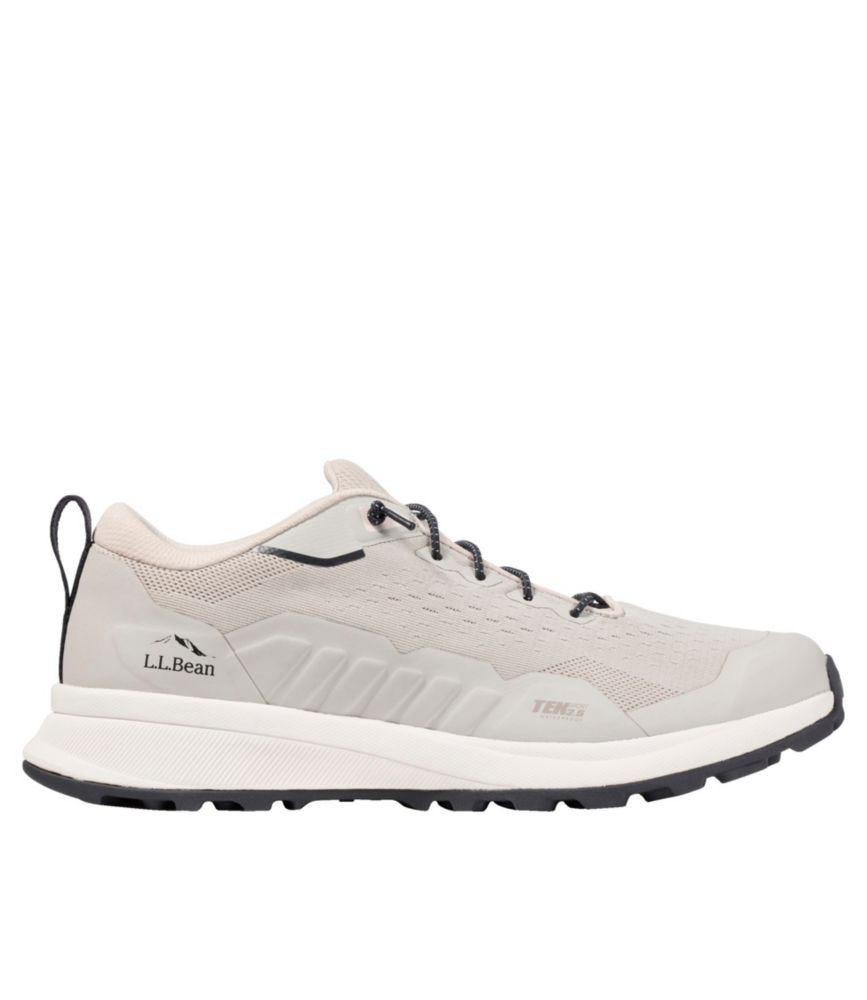
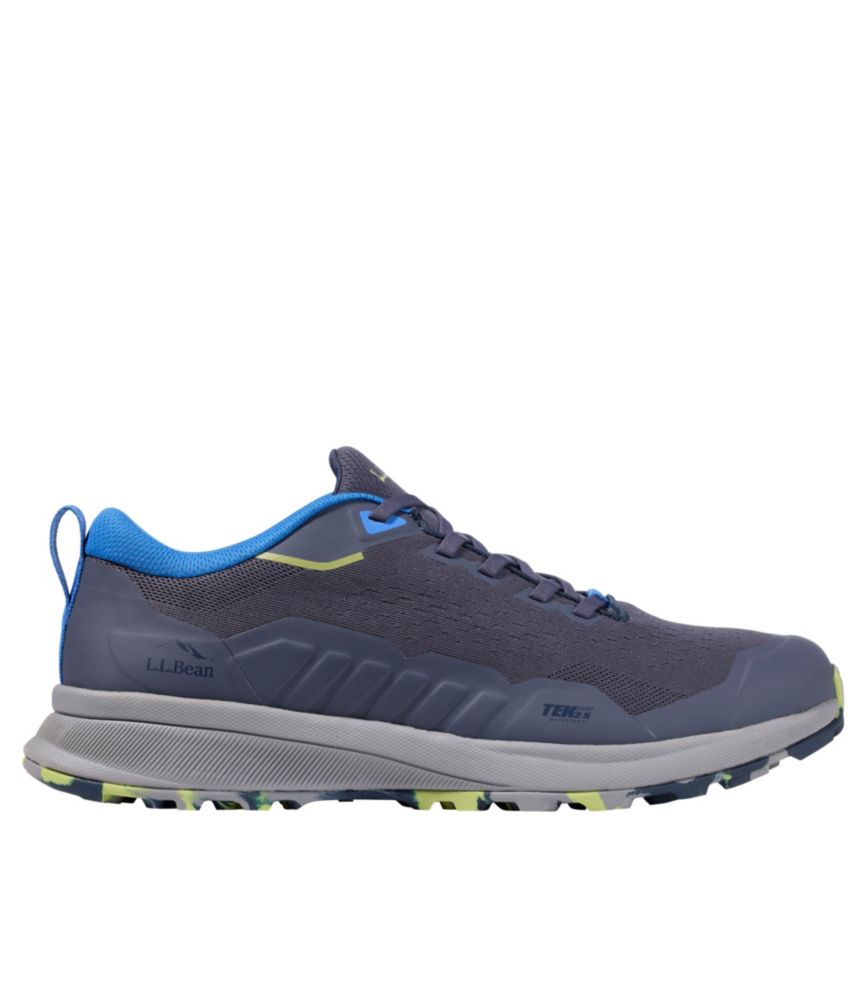
Men's Bean's Comfort Fitness Walking Shoes, Waterproof
L.L.Bean Men's Bean's Comfort Fitness Walking Shoes, Waterproof
A weatherproof, cushioned walking shoe with a breathable polyester mesh upper and durable VertiGrip rubber outsole.
(543)
$120 $120
SALE
What customers like:
Fit
Quality
Comfort
Durability
Arch support
$120 $120
SALE
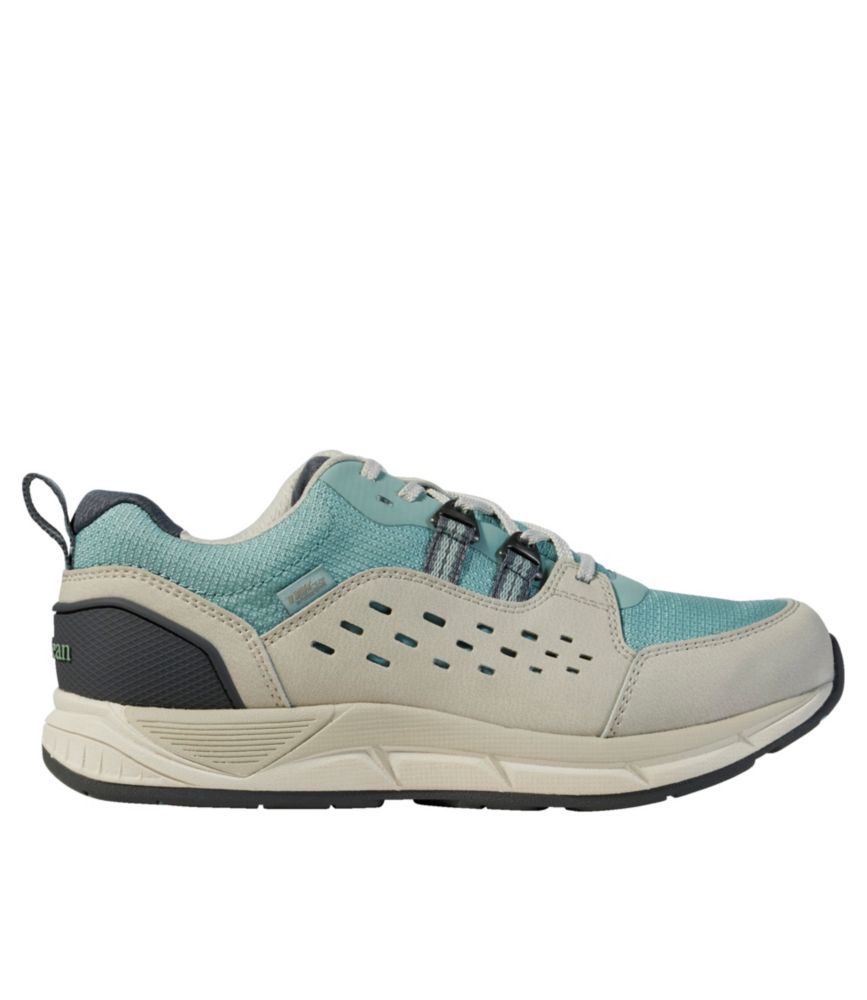
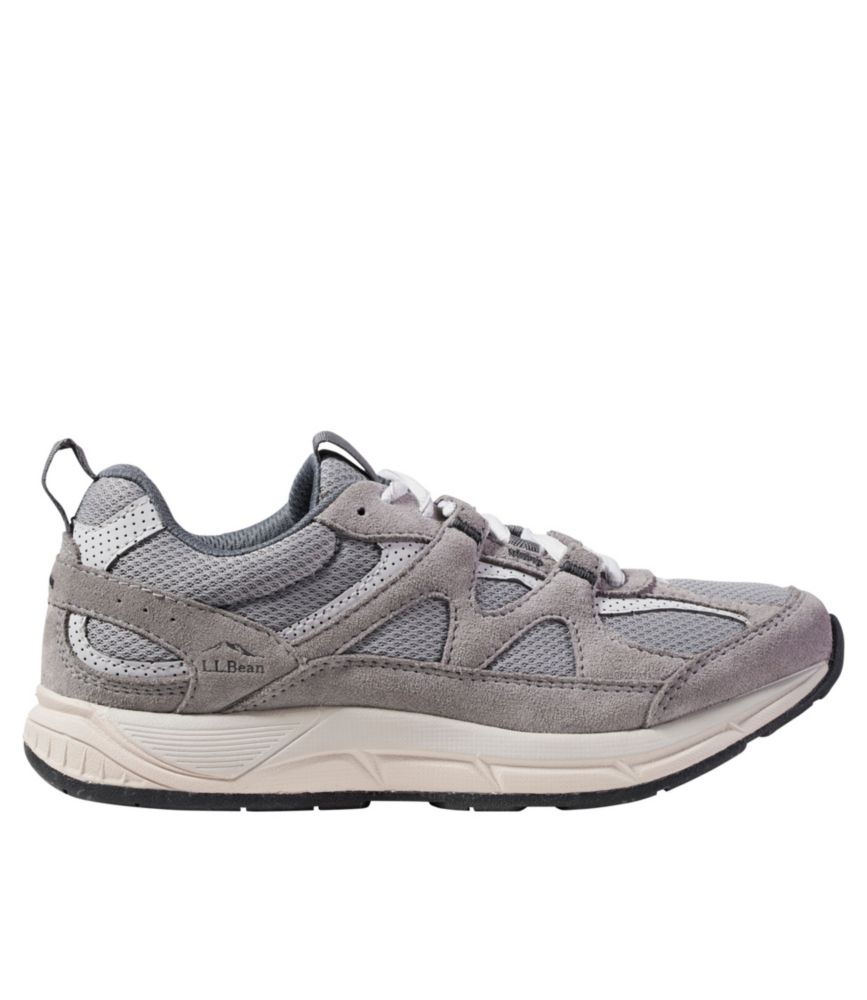
Women's Bean's Comfort Fitness Walking Shoes, Waterproof
L.L.Bean Women's Bean's Comfort Fitness Walking Shoes, Waterproof
A weatherproof, cushioned walking shoe with a breathable polyester mesh upper and durable VertiGrip rubber outsole.
(276)
$120 $120
SALE
What customers like:
Supportive
Waterproof
Versatile
Comfortable
Well made
$120 $120
SALE
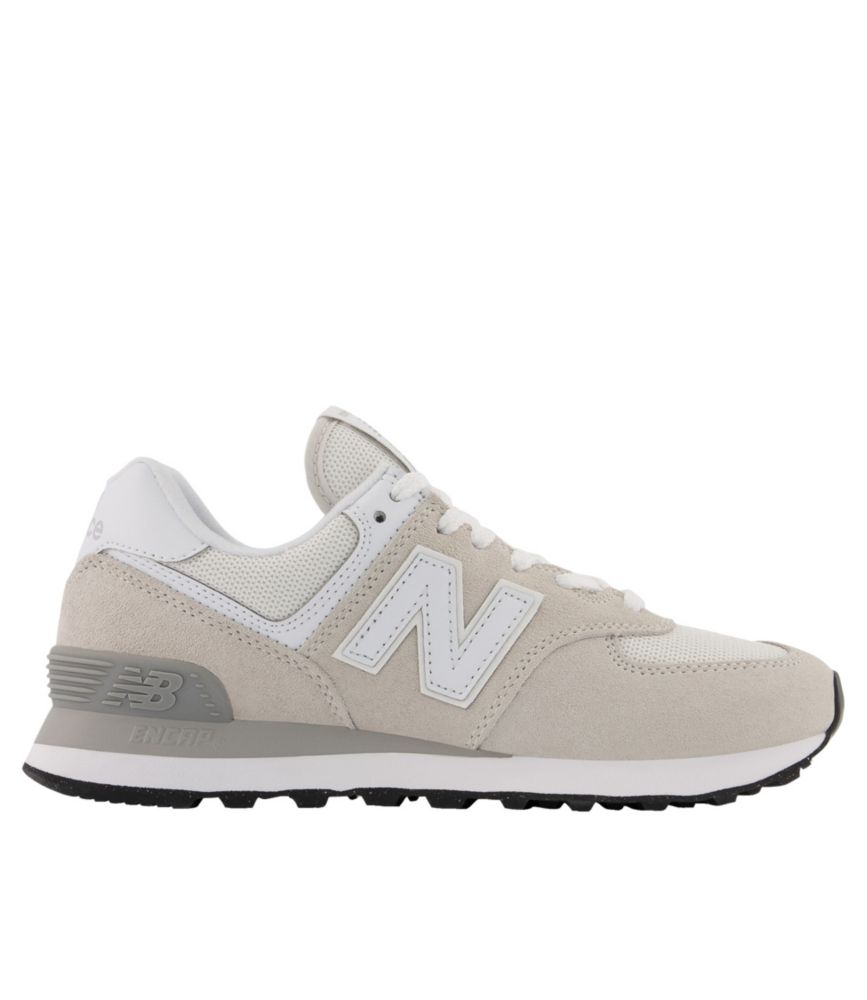
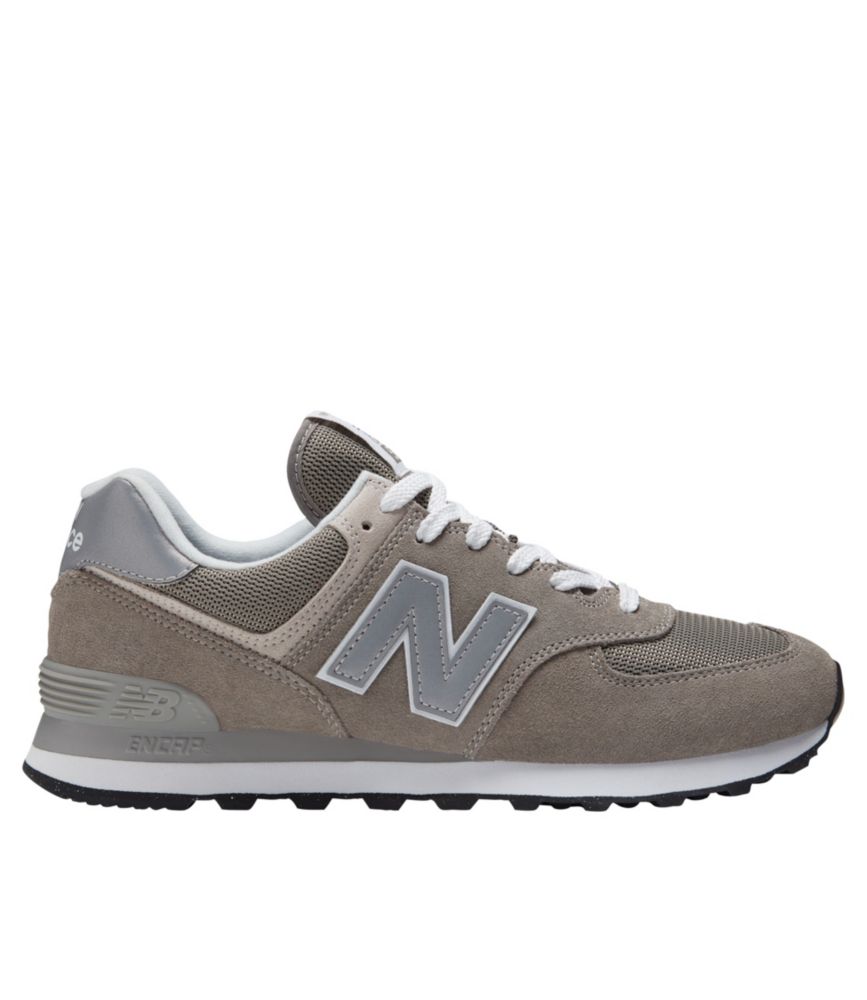
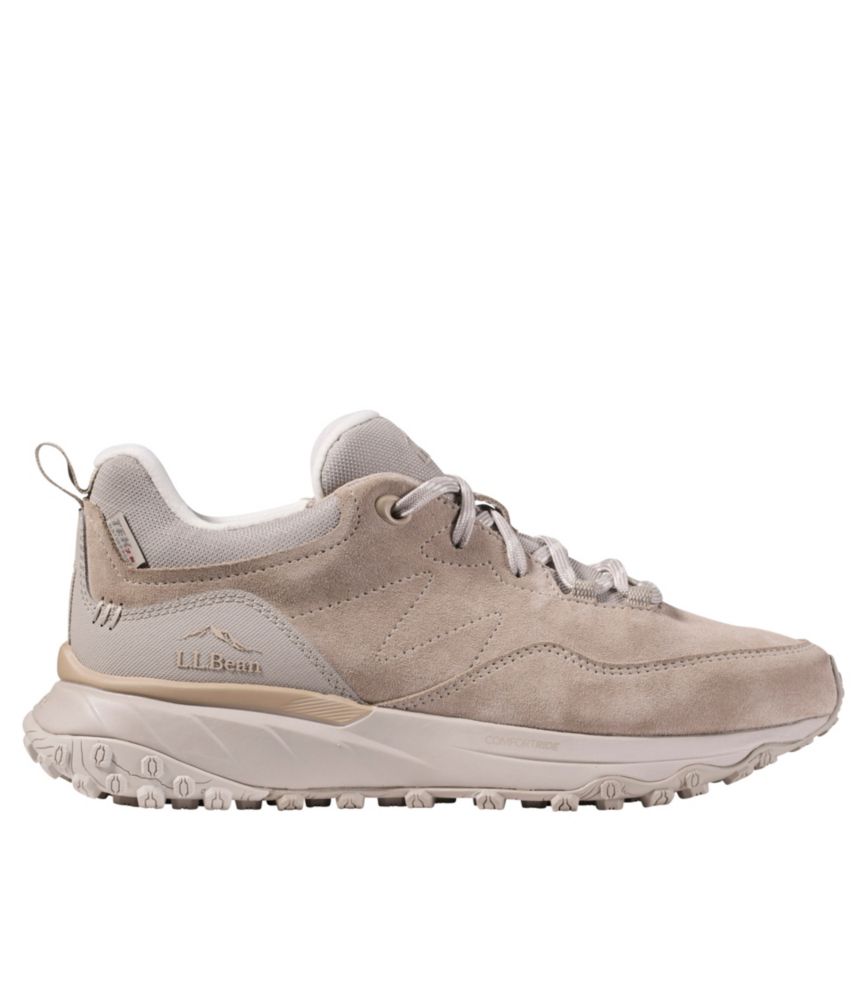
Women's New Balance 574V3 Walking Shoes
New Balance Women's New Balance 574V3 Walking Shoes
A versatile walking shoe in natural indigo with suede, nylon accents, and ENCAP® midsole technology.
(95)
$89.99 $89.99
SALE
What customers like:
Accommodates arch supports
Wider toe box
Comfortable fit
$89.99 $89.99
SALE
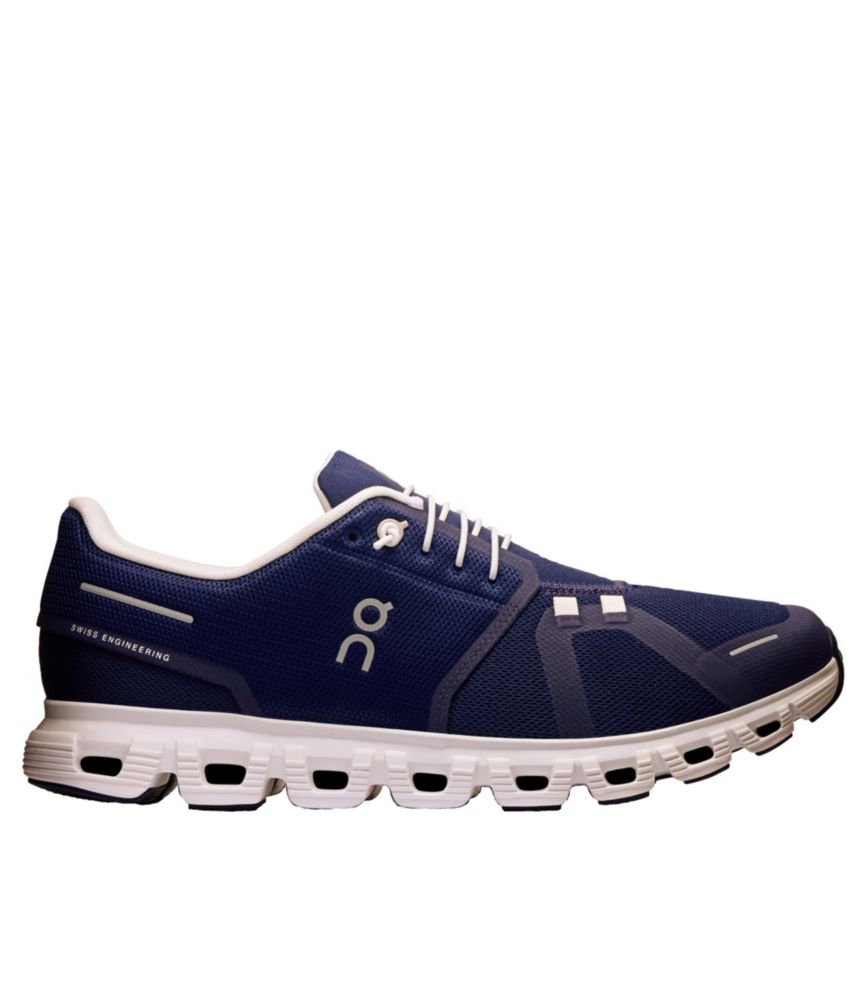
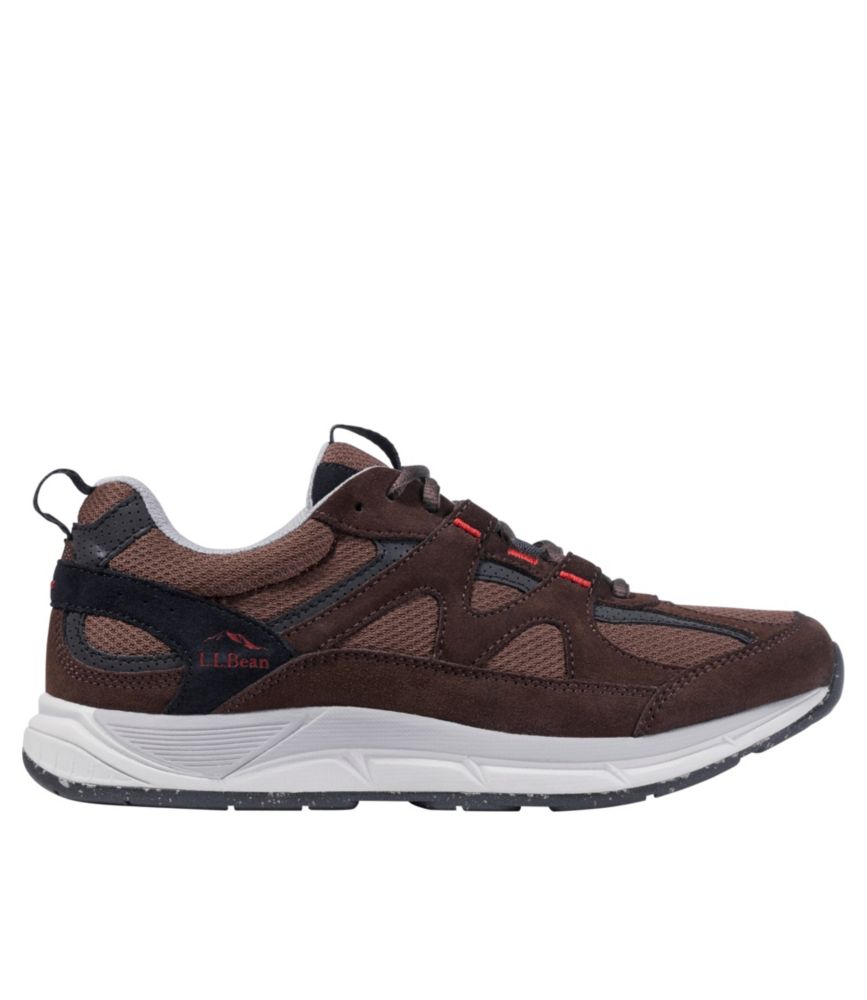
Men's New Balance 574V3 Walking Shoes
New Balance Men's New Balance 574V3 Walking Shoes
A versatile walking shoe with durable suede, rubber, and nylon materials, featuring ENCAP® midsole technology.
(0)
$89.99 $89.99
SALE
$89.99 $89.99
SALE

Lightweight Walking Shoes

Lightweight walking shoes bring together two straightforward priorities: shoes intended for walking and a lighter weight to consider when choosing a pair. Beyond that shared starting point, the right choice is personal. The shape of a shoe, the way it fastens, its proportions and its appearance all influence whether it belongs in an everyday routine. A walk around the neighborhood with a friend may be a familiar part of the day, while a longer weekend walk offers a chance to spend more time together outside. Thinking about those actual walks gives the selection process a useful starting point without making shoe weight the only consideration. Lightweight does not describe every aspect of a shoe, and it does not establish how a particular pair will fit. Product descriptions and size information provide the details needed to compare individual options rather than assuming that all walking shoes are alike. When weights are listed, note whether the measurement refers to one shoe or a pair and whether a reference size is included; figures measured differently are not direct comparisons. Appearance matters, too, especially for someone who prefers a small, thoughtfully chosen footwear wardrobe. Consider whether a simple profile or more noticeable detailing feels right alongside the clothes already worn for walks. A shoe should feel like a natural choice, not something that requires a completely different wardrobe. Personal preferences about fastenings, shoe shape and the amount of coverage can help narrow the selection just as meaningfully as appearance. For someone who wants to compare another footwear category, Lightweight Walking Sandals offer a separate place to continue browsing. Keeping the focus on the intended walk, individual fit and clearly stated product details makes it easier to compare choices on their own terms.

Fit deserves a closer look than the number printed inside the shoe. A familiar size is a starting point, but the contours of the heel, the space across the forefoot and the room around the toes all contribute to how a pair feels. Consult the size chart and any fit notes for each style rather than assuming that the same size will feel identical across different designs. Width information is particularly useful for anyone who has found that going up a size adds length without resolving a snug fit across the foot. When trying shoes on, wear the socks normally chosen for walking and check both feet. Stand, take a few steps and pay attention to where the shoe touches the foot: toes should not feel crowded, the heel should not repeatedly slip out, and no fastening should need to be pulled excessively tight to hold the shoe in place. If an insert is normally worn, check the individual shoe’s details for compatibility instead of assuming there will be room. A brief indoor try-on can reveal rubbing or a fit that changes noticeably with movement, though it cannot tell the whole story of a longer walk. There is no need to dismiss an obvious fit problem simply because a shoe looks appealing or is described as lightweight. The everyday details are worth considering as well. Someone who likes to adjust the fit across the top of the foot may have different fastening preferences from someone who prefers fewer adjustments when getting dressed. These are personal choices, not reasons to declare one design best for everyone. For a gift, a recipient’s usual size is helpful, but their preferred width, fastening and shoe shape are equally useful clues. A walking companion or family member who knows exactly what they like may appreciate being part of the selection. Choosing together keeps the gesture thoughtful while respecting how individual footwear fit can be.

Materials, construction and care are best considered at the individual shoe level, where the actual details can be checked. The word lightweight alone does not identify what an upper, lining or sole is made from, nor does it establish how those components should be cleaned. Read the listed materials and care directions before choosing a pair, particularly if there is a material preference or an established cleaning routine to consider. A shoe that calls for a care method someone is unlikely to follow may not be the most practical choice for that person. After purchase, follow the stated cleaning method rather than treating all walking footwear alike; do not assume that machine washing, soaking or a particular cleaning product is appropriate. Check any separate directions for removable components, too. Durability is another consideration that cannot be settled by weight alone. Look for concrete construction information in the product description, and avoid treating a lighter shoe as automatically more delicate or a heavier shoe as automatically longer lasting. With wear, checking the soles, seams and fastenings can help identify changes that deserve attention. A sole worn unevenly, a fastening that no longer holds or an area that has begun to rub is worth noticing rather than overlooking out of habit. Intended use also belongs in the comparison. Walking is the focus of this collection, but individual product descriptions remain the place to confirm any more specific recommendations; a walking label should not be taken as a promise of suitability for every surface or activity. Picture the walk that happens most often, whether it is a familiar loop with a neighbor or an unhurried outing with family, and let those real plans shape the questions asked of each description. The most useful choice balances a preference for lightweight footwear with fit, style, documented materials and manageable care. That keeps the decision grounded in the person wearing the shoes—and in the simple pleasure of making time for a walk.
Read More

FAQs