It's time to upgrade your browser

Your current browser is no longer supported on llbean.com. Please upgrade to one of the following for a smoother, safer shopping experience with us:

Labor Day Sale On Chamois Shirts

Shop the Labor Day sale on chamois shirts for classic styles at sale prices. Compare available sizes, colors and fit details across the selection to find a chamois shirt that suits your style.

Read More
Men's Chamois Shirt, Traditional Fit, Plaid
L.L.Bean Men's Chamois Shirt, Traditional Fit, Plaid
A warm brown plaid shirt in heavyweight brushed Portuguese cotton flannel with double-stitched seams.
(7,285)
$84.95 $41.99
SALE
What customers like:
Exceptional softness
High quality and durability
Warm and cozy
Attractive plaid design
Comfortable fit
$84.95 $41.99
SALE
Men's Signature 1933 Chamois Cloth Shirt, Slim Fit, Pattern
L.L.Bean Men's Signature 1933 Chamois Cloth Shirt, Slim Fit, Pattern
A brown plaid cotton chamois flannel shirt with a slim fit and brushed, garment-washed softness.
(1,273)
$89 $75.99
SALE
$89 $75.99
SALE
Women's Signature 1933 Collarless Chamois Tunic, Plaid
L.L.Bean Women's Signature 1933 Collarless Chamois Tunic, Plaid
A brown, heavyweight Portuguese cotton flannel tunic, brushed for exceptional softness with a roomy, layered fit.
(0)
$99 $73.99
SALE
$99 $73.99
SALE
Women's Vintage Chamois Shirt Novelty
L.L.Bean Women's Vintage Chamois Shirt Novelty
A blue, heavyweight Portuguese cotton chamois flannel shirt, specially washed for softness with durable double-stitched seams.
(0)
$89.95 $66.99
SALE
$89.95 $66.99
SALE
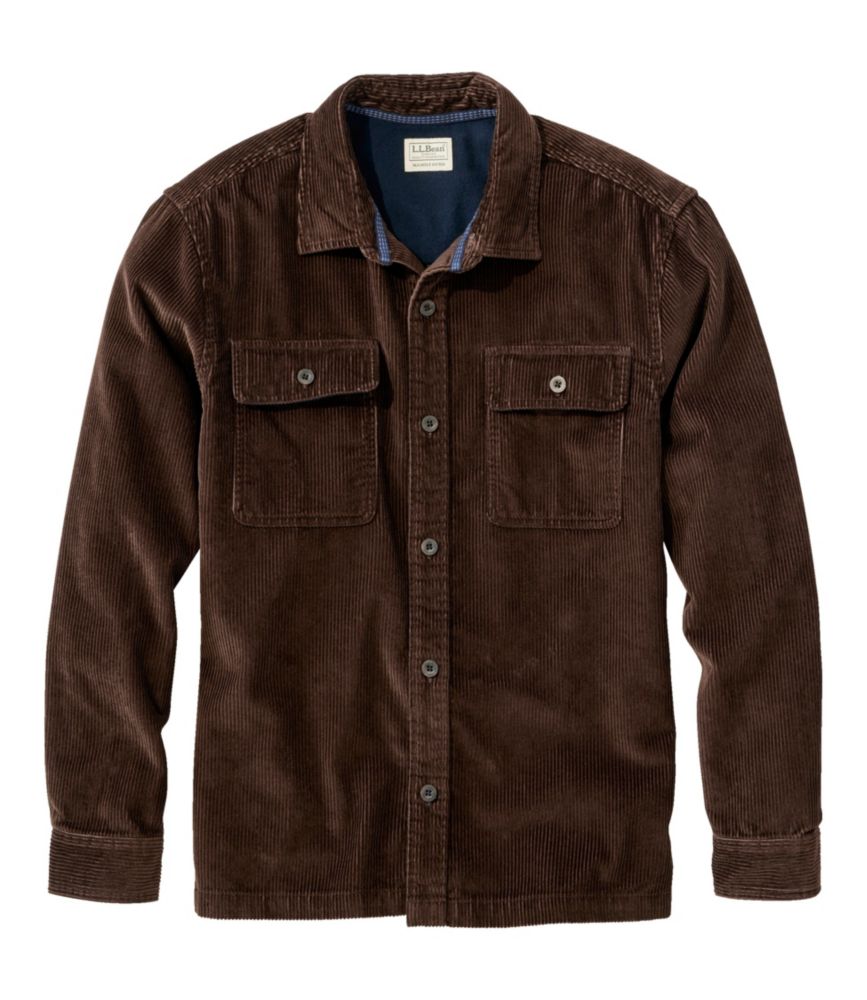
Men's Rangeley Corduroy Shirt, Slightly Fitted
L.L.Bean Men's Rangeley Corduroy Shirt, Slightly Fitted
A brown, substantial cotton corduroy shirt with chamois flannel trim, durable stitching, and relaxed comfort.
(0)
$89.95 $64.99
SALE
$89.95 $64.99
SALE

Labor Day Sale On Chamois Shirts

Chamois shirts bring a familiar, outdoors-inspired character to a wardrobe, with timeless style that feels personal rather than dressed for a passing trend. Their appeal starts with the straightforward look of a classic shirt: a defined collar, a buttoned front, and proportions that can make even a simple outfit feel thoughtfully put together. Within that familiar shape, the details matter. A quieter design can become part of a consistent wardrobe, while a more noticeable pattern can give an otherwise understated outfit a different character. Neither approach needs much fuss. The most useful starting point is the clothing already hanging in the closet, especially the pants and other shirts that get chosen without much deliberation. Picture the colors together, consider the balance of the outfit, and think about whether the shirt should blend in or become its main point of interest. Someone drawn to understated combinations may prefer a different look from someone whose wardrobe already includes plenty of pattern. Scale matters, too: a larger pattern creates a different impression than a smaller, more closely repeated one, especially when viewed across the whole shirt rather than in a close-up photograph. Collar shape, pocket placement, buttons, and the line of the hem also help distinguish one design from another. These are small details, but they influence whether a shirt feels like a natural addition or a departure from a familiar style. Labor Day can be a useful occasion to take stock of those preferences, with an eye toward choices that will still feel right well beyond the holiday. A wardrobe does not need a complete change to feel considered. Often, the better approach is to identify what is missing, recognize what already works, and choose a chamois shirt with a clear place among existing favorites. That keeps the focus on individual taste and enduring style rather than a look that depends on a particular moment.

Fit deserves the same attention as appearance, because the proportions of a shirt shape the entire impression. Start with the size chart and the fit description attached to the shirt being considered rather than assuming that a familiar size will always mean the same cut. A size label alone does not explain the relationship between the shoulders, chest, sleeves, and body length. For a more concrete comparison, lay a favorite button-front shirt flat and take the measurements requested by the retailer’s sizing instructions. Comparing like measurements is more useful than relying on memory, particularly when choosing between two sizes. Shoulder placement helps establish the overall silhouette, while chest and waist measurements help clarify how closely the body of the shirt will follow the wearer. Sleeve length is worth checking separately; a shirt can look right through the body and still have cuffs that fall somewhere unexpected. Hem length deserves a close look as well, especially for someone with a clear preference for wearing shirts tucked or untucked. When trying a shirt on, button it as it would normally be worn, bend the elbows, and sit down rather than judging the fit only while standing still. Those simple checks make it easier to notice pulling at the buttons, a collar that feels too close, or sleeves that do not sit as expected. Consider the intended outfit during that comparison, including anything the wearer expects to put underneath, without assuming every cut provides the same amount of room. The term chamois identifies the category, but the individual fabric description remains the place to confirm composition and construction. Fabric content, fit, and care are separate considerations, and none should be inferred from a photograph or a category name alone. For anyone comparing different shirt categories, men’s summer shirts offers another place to explore personal style, with each shirt’s own details providing the basis for comparison. A deliberate fit check helps keep that comparison grounded in the wearer’s actual preferences.

A well-considered chamois shirt also fits the habits of the person who will own it, including how they look after their clothing and what they expect from a favorite piece over time. Care requirements belong in the decision from the beginning, not as a surprise after the first wear. Read the individual care instructions before choosing, paying attention to the specified washing method, water temperature, drying directions, and any guidance about pressing. Follow the garment label rather than applying a familiar laundry routine automatically; shirts with a similar appearance do not necessarily have identical care requirements. Long-term satisfaction also involves looking beyond the first impression. Examine the construction details provided, and, once the shirt is in hand, check buttons, seams, cuffs, and the hem as part of an ordinary inspection. These details offer something concrete to consider without relying on broad promises about how many years a garment will last. A loose button or small seam issue is easier to address when noticed early, and setting aside a shirt that needs attention can help prevent it from returning to the closet forgotten. For gifting, that same practical approach is especially helpful. A chamois shirt is a thoughtful possibility for someone who already enjoys classic, outdoors-inspired clothing, but the best choice reflects the recipient rather than the giver’s favorite look. Think of the shirts that person reaches for repeatedly: whether the silhouette is close or generous, whether the colors are quiet or prominent, and whether patterns are a regular part of the wardrobe. If the gift is not a surprise, asking for a preferred fit and a few measurements can remove much of the guesswork. If it is, a discreet comparison with a shirt known to fit may be more useful than guessing from height alone. The goal is straightforward: a choice that feels familiar in the right ways, adds something worthwhile to the wardrobe, and respects the small preferences that make clothing feel personal. From the first comparison to the care label, those details give a classic shirt its place in everyday life.
Read More

FAQs