It's time to upgrade your browser

Your current browser is no longer supported on llbean.com. Please upgrade to one of the following for a smoother, safer shopping experience with us:

Knit Scarves

Explore knit scarves to complement your favorite coats, jackets and sweaters. Whether you’re matching a familiar look or adding a different accent, browse the selection for a scarf that suits your personal style.
Read More
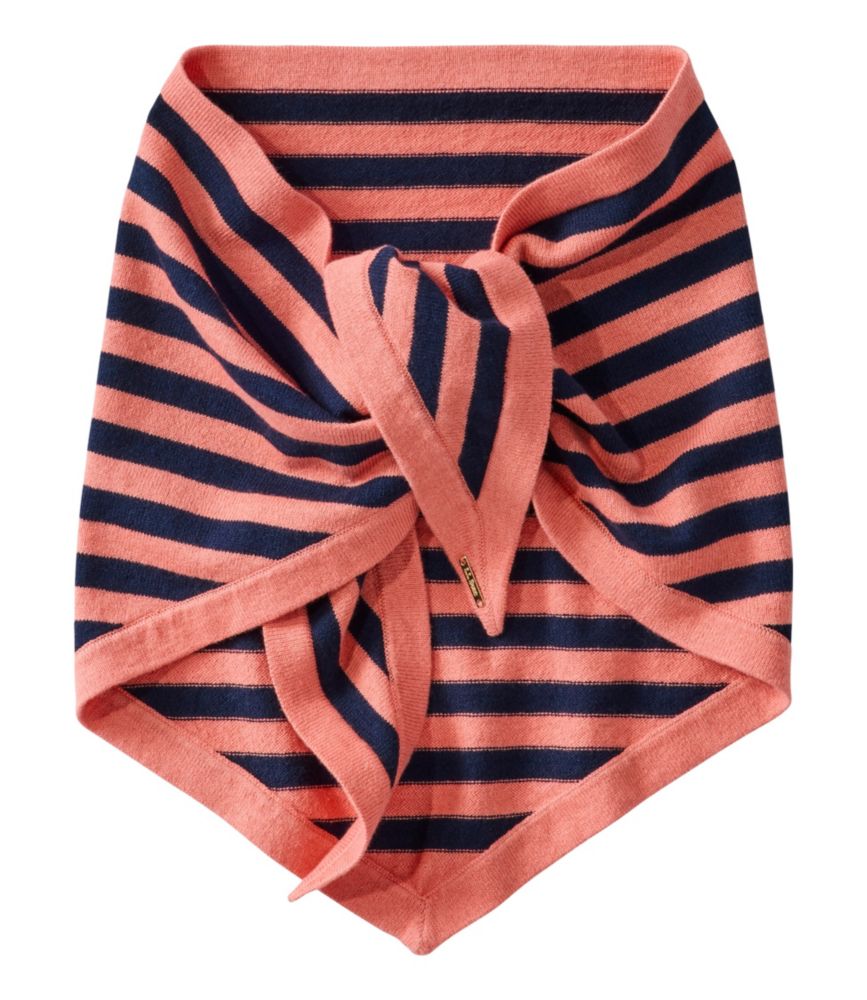
Women's Cotton/Cashmere Knit Triangle Scarf, Striped
L.L.Bean Women's Cotton/Cashmere Knit Triangle Scarf, Striped
A luxuriously soft, multi-color striped triangle scarf crafted from a lightweight cotton and cashmere blend.
(0)
$39.95 $29.99
SALE
$39.95 $29.99
SALE
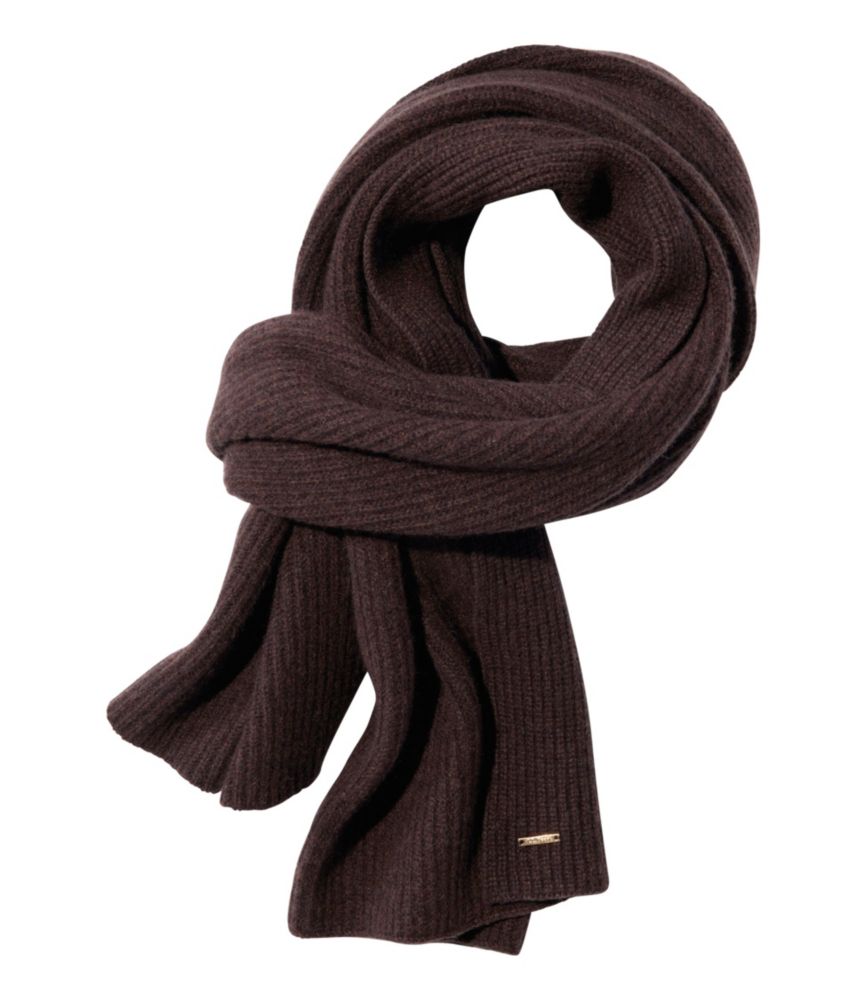
Women's Classic Cashmere Wrap
L.L.Bean Women's Classic Cashmere Wrap
A fully ribbed brown wrap crafted from 100% cashmere for versatile, luxurious cold-weather layering.
(0)
$200 $169.99
SALE
$200 $169.99
SALE
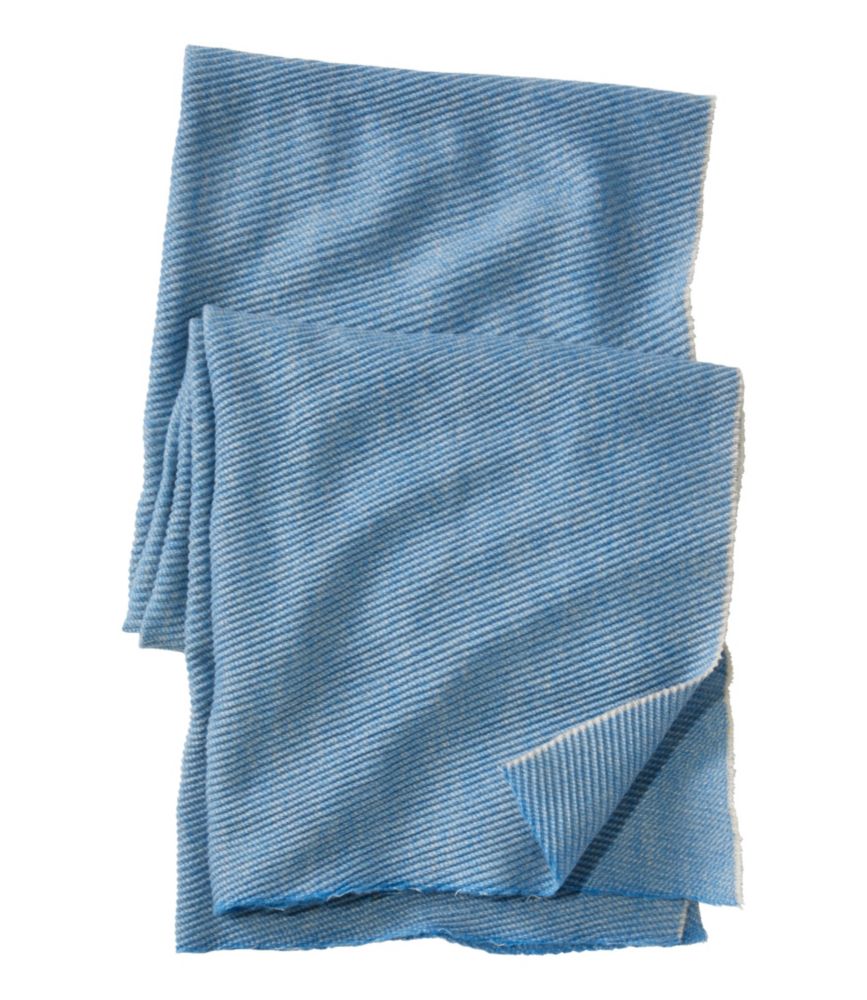
Women's Pistil Lexi Scarf
Pistil Women's Pistil Lexi Scarf
An unbelievably soft, blue accordion-style scarf in a lightweight polyester-viscose blend with a stylish diagonal cut.
(0)
$38 $38
SALE
$38 $38
SALE
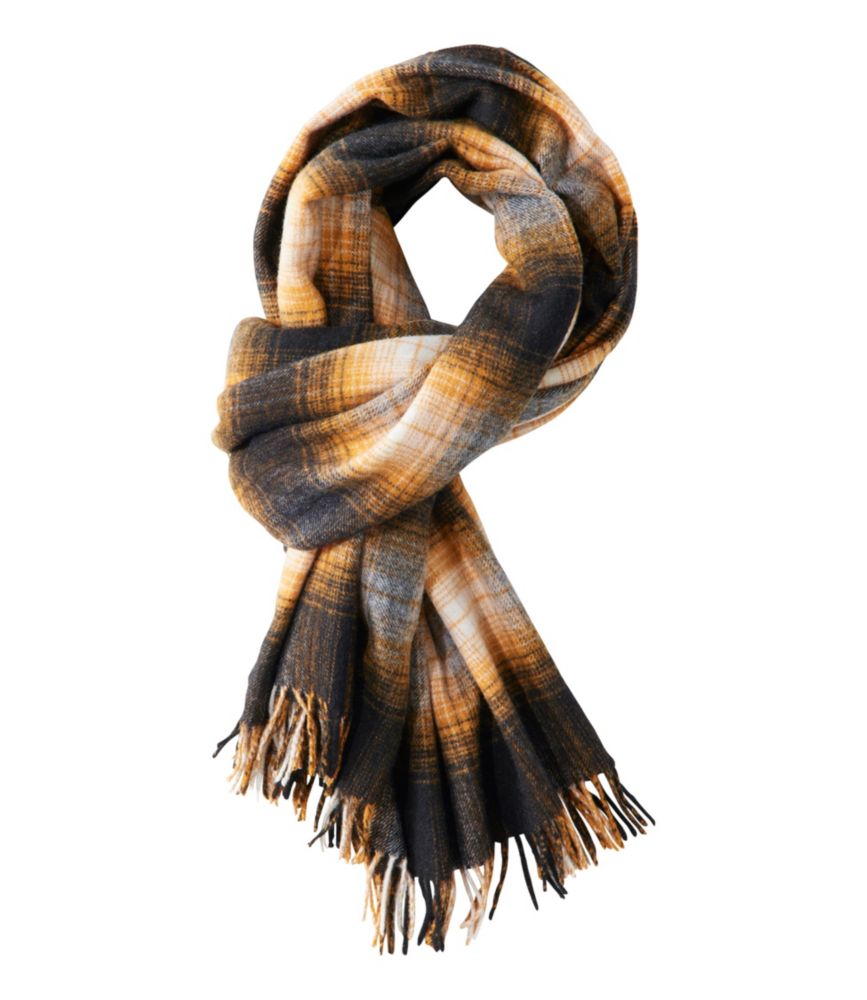
Women's Signature Wool Scarf, Plaid
L.L.Bean Women's Signature Wool Scarf, Plaid
A warm, oversized black plaid scarf crafted from 100% premium wool with stylish fringed edges.
(0)
$99 $59.99
SALE
$99 $59.99
SALE

Knit Scarves

Knit scarves bring a distinctive texture to an outfit, with interlocking loops of yarn forming the knitted structure. That construction sets them apart from woven scarves and gives stitch patterns an important role in their appearance. A simple stitch can create an understated surface, while more pronounced patterns give the scarf a stronger visual presence. Color, proportion and the arrangement of those stitches all contribute to the overall look, making the knit itself as much a part of the design as the outline of the scarf. When comparing styles, consider whether the scarf should blend into an outfit or provide a clear point of contrast. A solid color can echo another detail, such as a shirt collar or the trim of a bag, without making every element match. A patterned scarf can introduce several colors at once, offering different ways to coordinate with clothing already in the closet. Small-scale patterns tend to read differently up close than they do from across a room, so both detailed photographs and full-length views are helpful. For someone who favors simple clothing, a more visible stitch pattern can add interest without introducing another print. Someone who enjoys mixing patterns might prefer a scarf that shares one color with the rest of the outfit, giving the combination a common thread. Neither approach requires a complete wardrobe change. The appeal is in finding a detail that feels personal and familiar, whether that means a quiet neutral, a clear contrast or a pattern that recalls a favorite piece of clothing. Rather than judging a scarf only in isolation, picture it beside the necklines, colors and shapes worn most often. That broader view helps distinguish a scarf that looks appealing in a photograph from one that genuinely belongs in an existing wardrobe.

Proportion deserves just as much attention as color when choosing knit scarves. Listed length and width provide a more useful starting point than a photograph alone, since a scarf can look quite different depending on how it is arranged and the height of the person wearing it. Compare those measurements with a scarf whose proportions already feel right, laying it flat rather than measuring it while tied. A longer length leaves more of the ends visible in some arrangements, while a shorter length creates a different balance around the neckline. Width affects how much of the knitted pattern remains visible when the scarf is folded or gathered. Think about the finished look rather than treating a larger measurement as automatically better. A scarf shown spread across the shoulders may appear very different when arranged narrowly at the neck, and a prominent pattern may become less noticeable once folded. Edge details matter, too: a plain border creates a different outline from fringe, and the treatment of the ends can influence how the scarf looks against the front of a shirt or jacket. These are useful details to examine in close-up images before making a choice. Fiber composition and care information belong in that comparison as well, but a knitted appearance alone does not establish what a scarf contains or how it should be cleaned. Read the individual description and care label rather than assuming that scarves with similar stitch patterns have the same requirements. If a particular care routine is important, make that part of the selection process from the beginning. Questions about durability are also best considered through the details provided for each scarf, not through the apparent thickness of a photograph. Construction information, finishing details and care directions offer a more grounded basis for comparison than broad assumptions about knitwear. The goal is a scarf whose proportions, appearance and upkeep make sense together, with no single detail overlooked simply because the color catches the eye first.

Personal taste often makes knit scarves especially meaningful to consider as gifts. The most thoughtful starting point is the recipient’s own wardrobe rather than a style the giver happens to prefer. Notice whether that person repeats a few favorite colors, chooses large patterns or small ones, or usually keeps accessories understated. A scarf can reflect those preferences without matching an existing outfit exactly. For a family member who gravitates toward plain shirts, texture might be the detail that makes the gift feel considered; for a friend who enjoys color, a shade already present in a favorite accessory can provide a useful reference. Size still matters even when the choice does not involve the same measurements as a shirt or pair of pants. Length, width and the way the recipient likes to arrange a scarf can all influence whether the proportions feel familiar. Care preferences deserve the same consideration, particularly when the recipient values a straightforward routine. Checking those details before choosing is a small step that helps keep a gift focused on the person receiving it. For personal shopping, a similarly thoughtful approach can prevent choosing several scarves that fill the same visual role. Consider what is missing from the accessories already on hand: perhaps a simpler pattern, a different proportion or a color that ties together clothing that otherwise feels difficult to coordinate. Keep the distinction between appearance and product purpose clear when browsing related categories. The separate Running Scarves page offers another category to explore, with individual descriptions providing the relevant details for comparison. Within knit scarves, the most useful choices come back to the relationship between stitch, shape, color and personal preference. Take time to look at the full scarf as well as its close-up details, check measurements, and read the composition and care information. Those practical checks leave room for the enjoyable part of choosing: finding a scarf that feels like a natural expression of someone’s style, with a distinctive knitted character that remains appealing beyond a single outfit.
Read More

FAQs