It's time to upgrade your browser

Your current browser is no longer supported on llbean.com. Please upgrade to one of the following for a smoother, safer shopping experience with us:

Kayak Fishing Safety Gear

Explore kayak fishing safety gear to round out your on-water setup. Browse the selection of safety equipment and compare product specifications, fit information and intended use to choose options suited to your kayak and fishing plans.

Read More
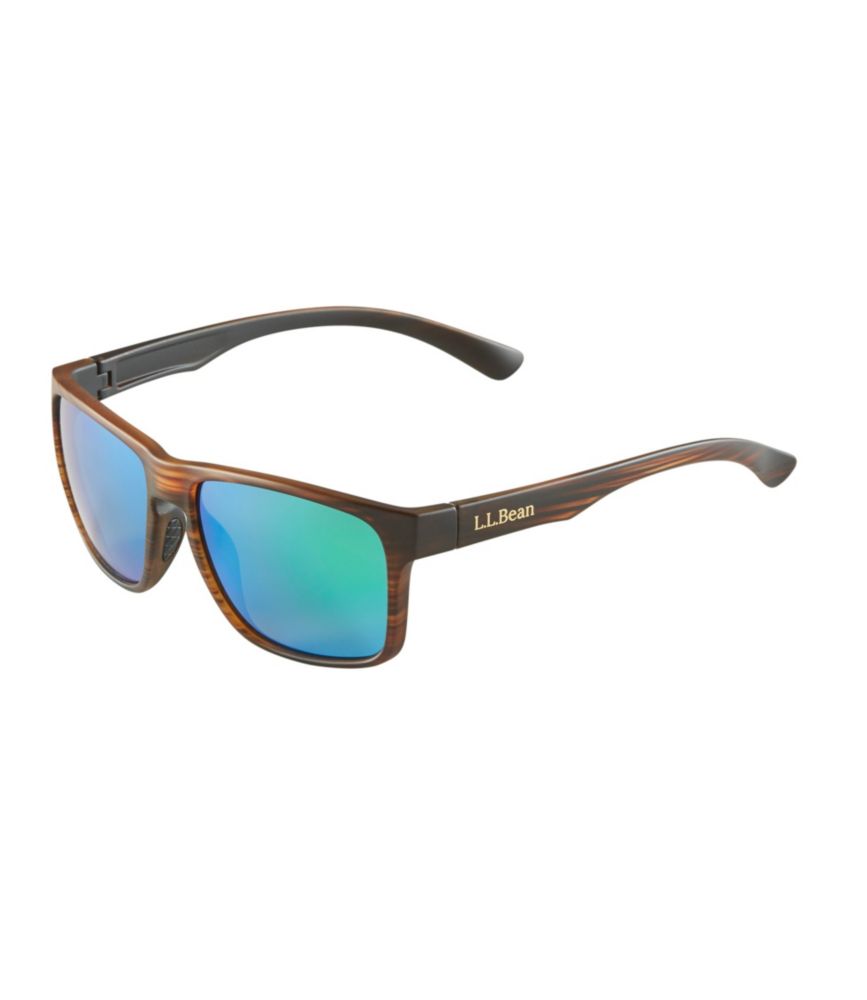
Adults' L.L.Bean Harborside With Hydroglare Polarized Sunglasses
L.L.Bean Adults' L.L.Bean Harborside With Hydroglare Polarized Sunglasses
A retro-style brown sunglass with polarized lenses and hydrophobic coating, perfect for beach activities.
(0)
$89.95 $89.95
SALE
$89.95 $89.95
SALE
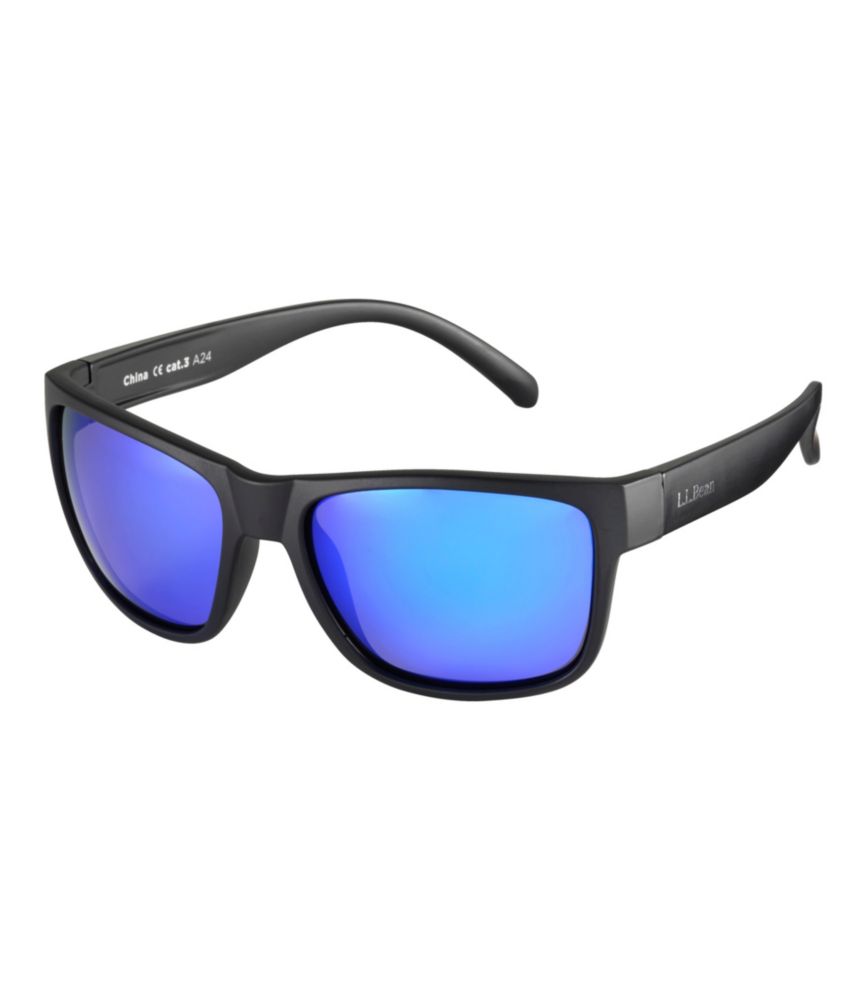
L.L.Bean Rapid River Polarized Sunglasses
L.L.Bean L.L.Bean Rapid River Polarized Sunglasses
A durable pair of multi-color sunglasses with polarized lenses, offering 100% UVA/UVB protection.
(0)
$44.95 $44.95
SALE
$44.95 $44.95
SALE
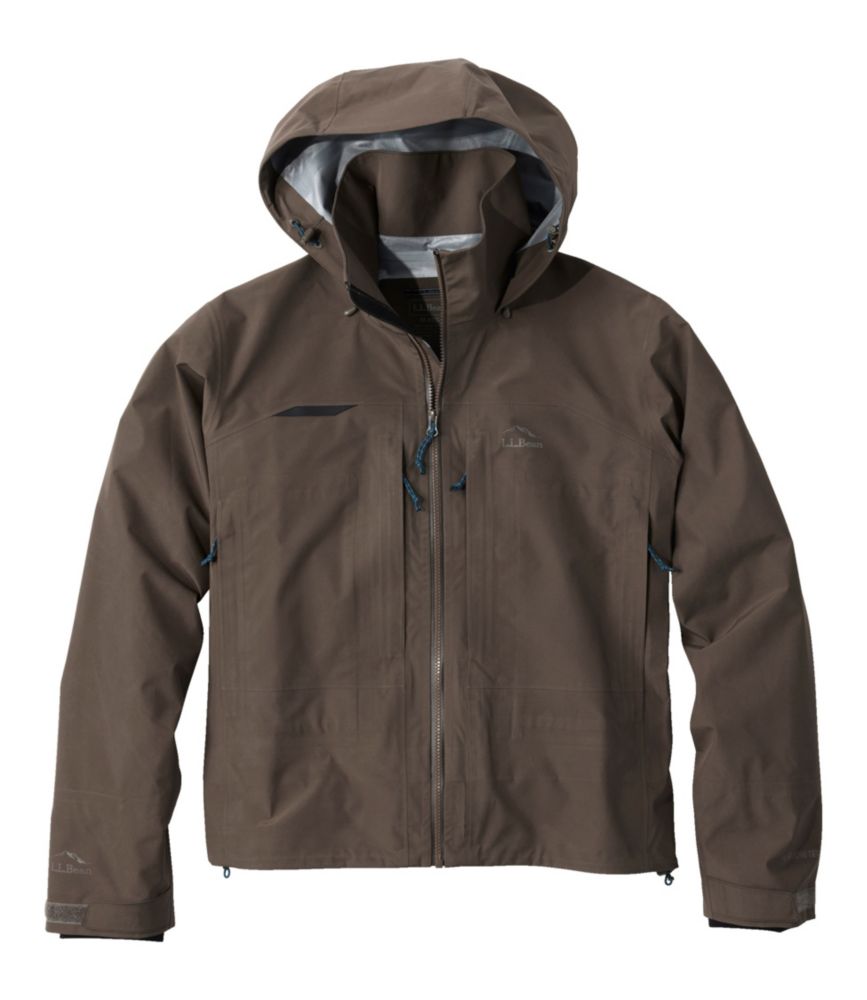
Men's Rapid River Pro GORE-TEX Wading Jacket
L.L.Bean Men's Rapid River Pro GORE-TEX Wading Jacket
A brown recycled polyester wading jacket featuring GORE-TEX waterproof technology, ample storage, and adjustable protection.
(0)
$330 $330
SALE
$330 $330
SALE

Kayak Fishing Safety Gear

Kayak fishing safety gear is part of a thoughtful setup for time spent paddling and fishing, whether the outing is a familiar routine or a first trip with an experienced friend. Choosing that gear starts with the person, the kayak, and the way the fishing day is planned—not simply with how an item looks alongside the rest of the equipment. A kayak already has its own arrangement of seating, storage, and fishing tackle, and those details deserve attention when comparing additional gear. The dimensions and intended use listed for an individual item are more useful than judging its suitability from a photograph alone. Where sizing applies, current measurements and the manufacturer’s size chart provide a starting point; a familiar size from another piece of equipment is not necessarily an equivalent. Any fitting or adjustment should follow the instructions for that item, including guidance about how it should be worn or positioned. Picture the ordinary moments of an outing: settling into the seat at the launch, making a paddle stroke, reaching for fishing tackle, and getting ready to head back to shore. Those moments give the selection process context without replacing the manufacturer’s directions. Gear that seems appropriate while standing beside a kayak still needs to be evaluated according to its stated requirements and the kayak’s setup. For someone building a collection for the first time, clear product information is especially valuable. For an experienced kayak angler, the same details matter when replacing familiar equipment or changing the arrangement of an existing setup. Kayak fishing safety gear should be selected with the same attention given to the rest of the outing, with individual requirements taking precedence over appearance or matching styles. Equipment is one part of preparation, not a substitute for paddling skills, sound judgment, or an understanding of the rules that apply wherever the trip takes place. The most useful selection is a considered one, based on accurate information rather than assumptions about what every kayak angler needs.

Materials, construction, fit, and care are meaningful points of comparison, but they belong to the individual item rather than to kayak fishing safety gear as a whole. Two pieces of equipment with a similar shape may have different specifications, care directions, or limits on their intended use. Reading those details together gives a fuller picture than focusing on a single feature. A material description explains what an item is made from; it should not be treated as a promise of capabilities that the manufacturer has not stated. Likewise, durability is not something to judge by a rugged appearance alone. Construction details, inspection guidance, and any replacement instructions deserve a place in the decision. Care requirements also become part of the ownership routine, from the space available for storing equipment to the steps required after an outing. Cleaning methods, drying directions, and storage recommendations should come from the instructions supplied for each item, rather than from a general routine applied to everything in the kayak. Before putting equipment away, an inspection following those directions can identify questions that need attention before another trip. Where the condition of an item is uncertain, the manufacturer’s guidance is the appropriate reference; appearance alone cannot establish whether safety equipment remains suitable for use. These practical considerations are especially relevant when several people share a storage area or take turns using a kayak. Keeping instructions associated with the correct equipment, and distinguishing one person’s fitted gear from another’s, makes the collection easier to manage. At home, a designated place for kayak fishing equipment creates a clear starting point for reviewing what belongs in the setup. At the launch, that preparation becomes a deliberate review rather than a search through unrelated belongings. The goal is not to accumulate the largest assortment, but to understand the equipment selected, its requirements, and its place in the overall arrangement.

The people shopping for kayak fishing safety gear may have very different starting points. A longtime angler taking up kayaking brings fishing experience but may still be learning about a different kind of boat and its equipment requirements. A practiced paddler adding fishing to an outing may be reconsidering an established setup. Friends planning to fish together may each have different sizing needs, kayaks, and experience levels, even when they share the same destination. These differences make personal selection important: another person’s preferred equipment can be a useful conversation starter, but it is not automatically the appropriate choice. Broader Kayaking Gear can provide context when considering how safety equipment fits into a complete paddling setup, with each item assessed on its own stated specifications. For gift giving, kayak fishing gear is a thoughtful possibility for a family member or friend who enjoys the activity, particularly when the recipient’s requirements are already known. Measurements, equipment compatibility, and personal preferences are worth confirming rather than guessing, especially for anything with a defined fit or adjustment process. A conversation about the recipient’s kayak and existing equipment can be more valuable than choosing solely from a wish to surprise. The same care applies when refreshing personal gear: replacing one item is an opportunity to review its role, not an automatic reason to duplicate an old selection without checking the details. Familiar routines can change when the kayak or its arrangement changes. Before an outing, local requirements and advice from qualified paddling instruction offer context that a product collection cannot provide. A shared plan should also be clear about the destination and expected return. Thoughtfully chosen gear belongs within that broader preparation. Kayak fishing has its own satisfying rhythm—the launch, the paddle, the pause to fish, and the return—and choosing equipment with care is part of giving that experience the attention it deserves.
Read More