It's time to upgrade your browser

Your current browser is no longer supported on llbean.com. Please upgrade to one of the following for a smoother, safer shopping experience with us:

Infant Puffer Jackets

Explore infant puffer jackets with timeless, outdoor-inspired style for your little one. Review each jacket’s sizing and product details to compare options and choose the right size.
Read More
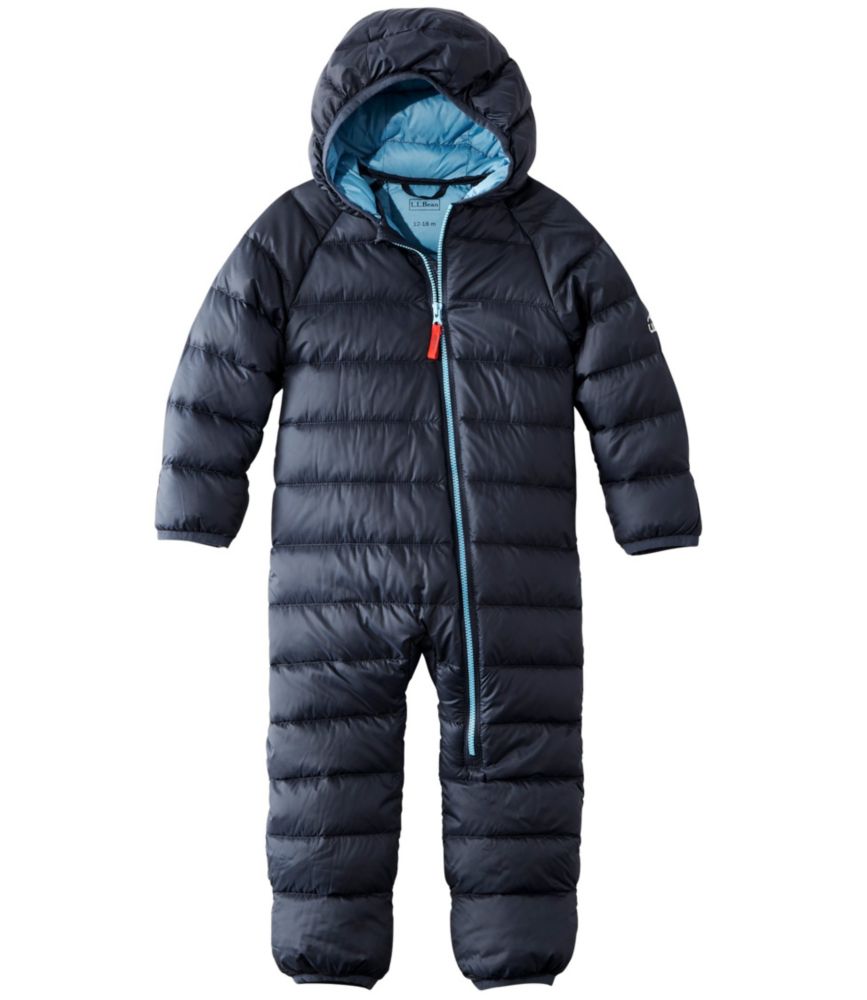
Infants' Ultralight 650 Down Bunting
L.L.Bean Infants' Ultralight 650 Down Bunting
A blue infant snowsuit with recycled nylon, water-repellent 650-fill down, hood, rollover mittens and foot warmers.
(226)
$120 $120
SALE
What customers like:
Warm for winter
Good fit for infants
High quality material
$120 $120
SALE
Infants' and Toddlers' Fleece-Lined Insulated Jacket, Print
L.L.Bean Infants' and Toddlers' Fleece-Lined Insulated Jacket, Print
A lightweight, weather-resistant multicolor jacket with recycled polyester fleece lining, insulation, hood, pockets, and reflective detailing.
(0)
$89.95 $54.99
SALE
$89.95 $54.99
SALE
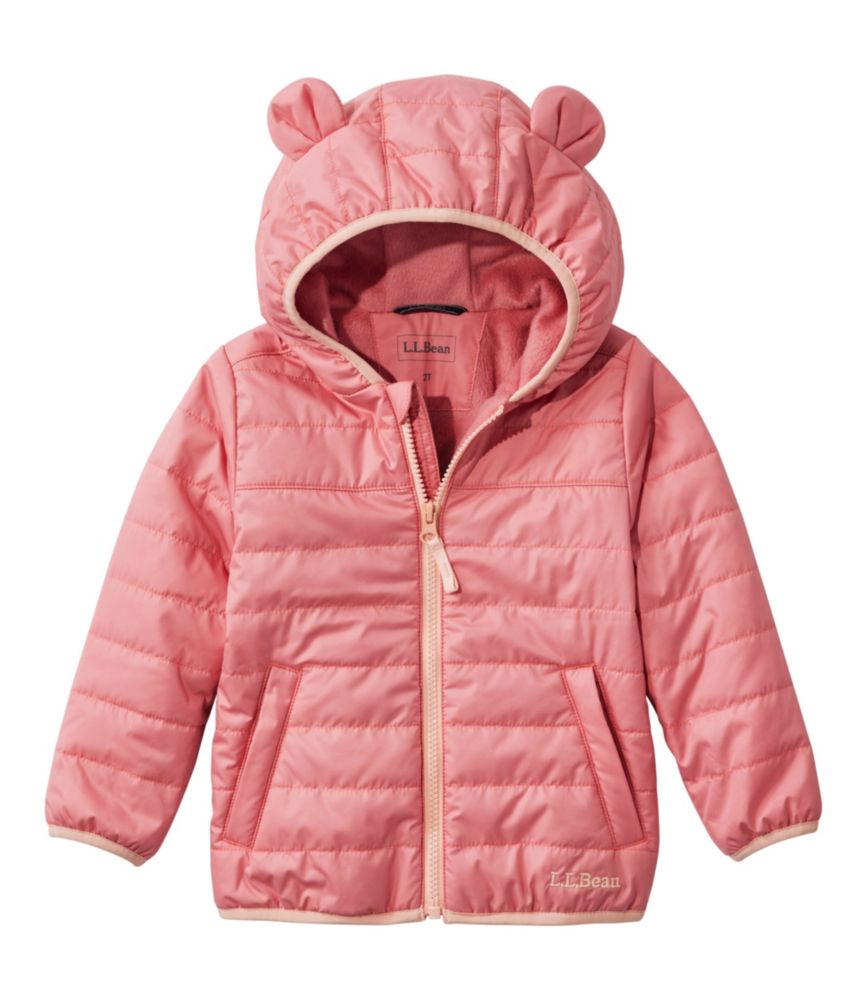
Infants' and Toddlers' Fleece-Lined Insulated Jacket
L.L.Bean Infants' and Toddlers' Fleece-Lined Insulated Jacket
A pink insulated jacket with a weather-resistant recycled polyester shell and ultrasoft fleece lining for warmth.
(0)
$89.95 $89.95
SALE
$89.95 $89.95
SALE
Infants' and Toddlers' Ultralight 650 Down Jacket
L.L.Bean Infants' and Toddlers' Ultralight 650 Down Jacket
A pink recycled-nylon jacket with 650-fill water-resistant down, an insulated hood and reflective detailing for adventurers.
(554)
$140 $140
SALE
$140 $140
SALE
Infants' and Toddlers' Bean's Down Jacket, Colorblock
L.L.Bean Infants' and Toddlers' Bean's Down Jacket, Colorblock
A colorful purple jacket with a water-resistant nylon shell, 650-fill DownTek insulation, and cozy fleece lining.
(240)
$110 $110
SALE
What customers like:
Great fit
Very warm
Cozy fleece lining
$110 $110
SALE
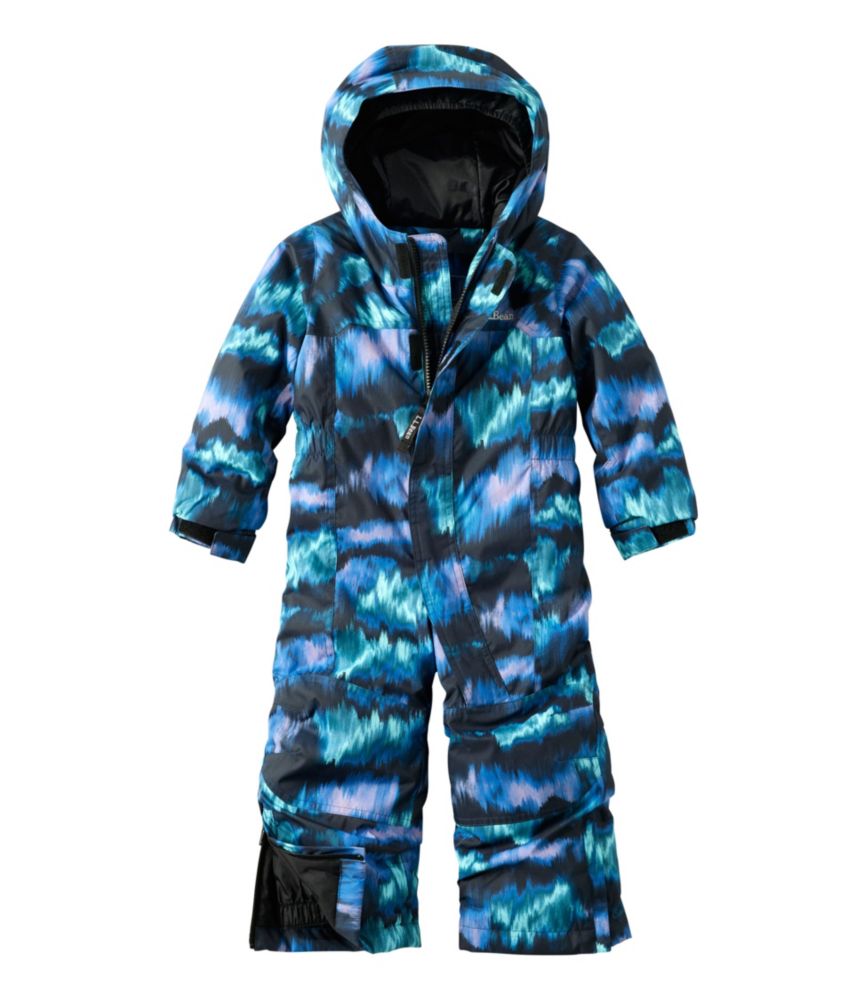
Infants' and Toddlers' Cold Buster Snowsuit, Print
L.L.Bean Infants' and Toddlers' Cold Buster Snowsuit, Print
A blue, wind- and water-resistant polyester snowsuit with Thinsulate insulation, grow cuffs and snow-blocking gaiters.
(138)
$120 $120
SALE
$120 $120
SALE

Infant Puffer Jackets

Infant puffer jackets have a distinctive look, with defined sections and a rounded silhouette that set them apart from other jacket styles. That shape can be the starting point for choosing a design, but the smaller visual details deserve attention, too. The spacing of the sections, the outline of the collar, and the placement of the front opening all contribute to a jacket’s character. Some families prefer a simple, understated appearance; others enjoy a more playful look among their baby’s clothes. Neither approach needs to follow a trend. A jacket that reflects the family’s taste can feel just as thoughtfully chosen as any other part of an infant’s wardrobe. Looking at photographs from several angles helps distinguish the overall shape from details that may be less apparent in a front view. Notice how the sleeves relate to the body, where the hem falls in the photograph, and which details stand out when the jacket is viewed from the side or back. These observations offer a clearer picture of the design without relying on a single styled image. Color and pattern are personal choices rather than measures of quality, and it can help to consider them alongside clothing already in the wardrobe. A quieter design may appeal to someone who likes a consistent look, while a more expressive one may be a favorite with a family that enjoys mixing patterns. For another perspective on jacket styling, Infant Hooded Jackets offers a related category to explore. The distinction is worth keeping clear: “puffer” describes a jacket style, while “hooded” identifies a design detail. Neither word, on its own, supplies the complete information needed to compare individual garments. Appearance is one part of the choice; the size information, fabric description, and care label provide separate details that deserve their own attention.

Size is an especially important consideration when browsing infant puffer jackets, and an age label is best read alongside the measurements provided for the individual garment. Families may already have a familiar size in mind, but a number on a label does not tell the whole story of a jacket’s proportions. Where a size chart includes measurements, its stated measuring method matters as much as the numbers themselves. Body measurements and garment measurements describe different things, so checking which kind is shown can prevent an unclear comparison. A familiar piece of clothing can offer a visual reference for shape, although its label should not replace the jacket’s own size information. Photographs also have limits: the way a sleeve or hem appears in an image is not a substitute for a listed dimension. Fabric deserves the same careful reading. “Puffer” is not a complete fabric description, and the material information for an individual jacket is the place to find its stated composition. If the description identifies separate parts of the garment, such as an outer fabric or lining, keep those details distinct rather than treating one percentage as a description of the entire piece. Families with a particular material preference can use that information to make a more informed comparison without drawing conclusions from appearance alone. Care requirements are another practical part of choosing clothing, especially in a household where laundry is already a regular task. The garment’s label should determine how it is washed, dried, or otherwise cared for; a similar-looking jacket may have different instructions. A clear description of care requirements lets the person handling the laundry decide whether those steps fit the household routine. For questions about construction and durability, specific details are more useful than broad labels. Close-up images and written descriptions can show how a garment is put together, while its fuller profile alone does not establish how it will hold up over time.

An infant puffer jacket can also be a thoughtful clothing gift when the recipient’s preferences and requested size are known. Parents, grandparents, relatives, and family friends may each notice something different in a design: its overall shape, a small decorative detail, or how its appearance relates to other clothes the family has chosen. The most personal gift is not necessarily the most elaborate one. It may simply reflect careful attention to the recipient’s taste and to the information the family has shared. Before choosing clothing for someone else’s baby, confirming the requested size is more useful than estimating from a photograph or relying only on an age range. A family may have a particular sizing preference or a care requirement that would not be obvious to the person buying the gift. Asking about those details keeps the choice considerate without turning it into a complicated process. If a jacket is being set aside as a gift, keeping its fabric and care information with it gives the recipient the same useful details available at the time of selection. For families choosing their own infant clothing, those details can also make comparisons easier when several designs initially look alike. One photograph may draw attention to the silhouette, another to the collar, and a written description to information that cannot be seen at all. Taking those sources together creates a fuller picture than choosing by appearance alone. There is room for personal taste within that practical approach: the look that catches a parent’s eye, a pattern that feels familiar, or a simple design that suits the family’s style. Infant puffer jackets are a distinct clothing category, but the most useful choice still comes down to the individual garment rather than assumptions about the category. Clear sizing information, stated materials, care instructions, and a design the family likes give each of those considerations its proper place. The result is a selection grounded in the details that matter to the people receiving and caring for the clothing.
Read More

FAQs