It's time to upgrade your browser

Your current browser is no longer supported on llbean.com. Please upgrade to one of the following for a smoother, safer shopping experience with us:

Hunting Packs

Shop hunting packs with your gear list in mind. Compare each pack’s product details to assess size and organization, then narrow your choices based on what you carry and how you prefer to pack.
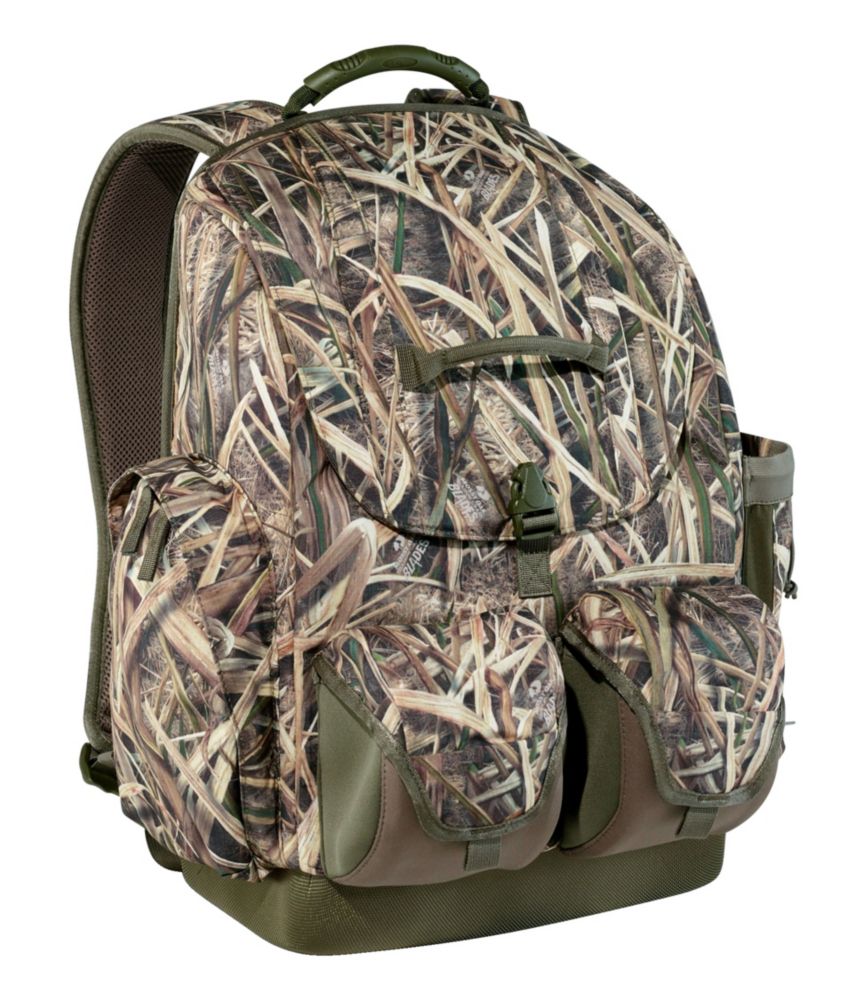
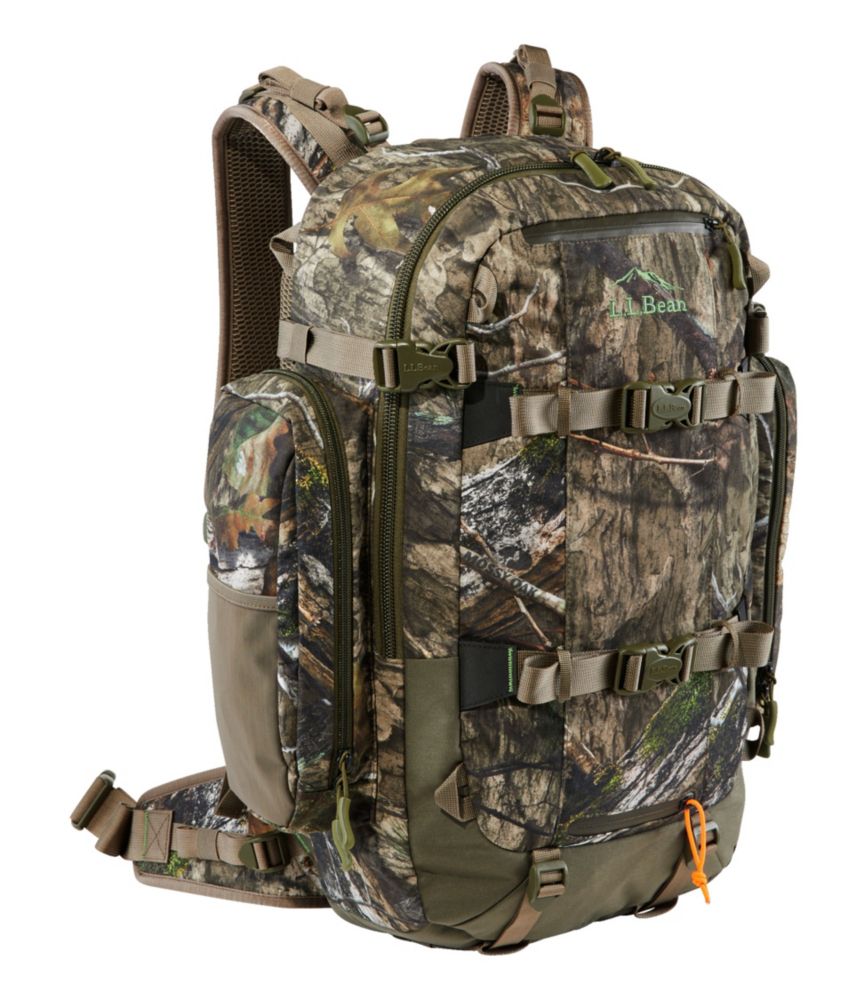
Waterfowler's Pack
L.L.Bean Waterfowler's Pack
A rugged, water-resistant ripstop polyester hunting pack with Mossy Oak camouflage, molded bottom and organized call storage.
(14)
$190 $190
SALE
$190 $190
SALE
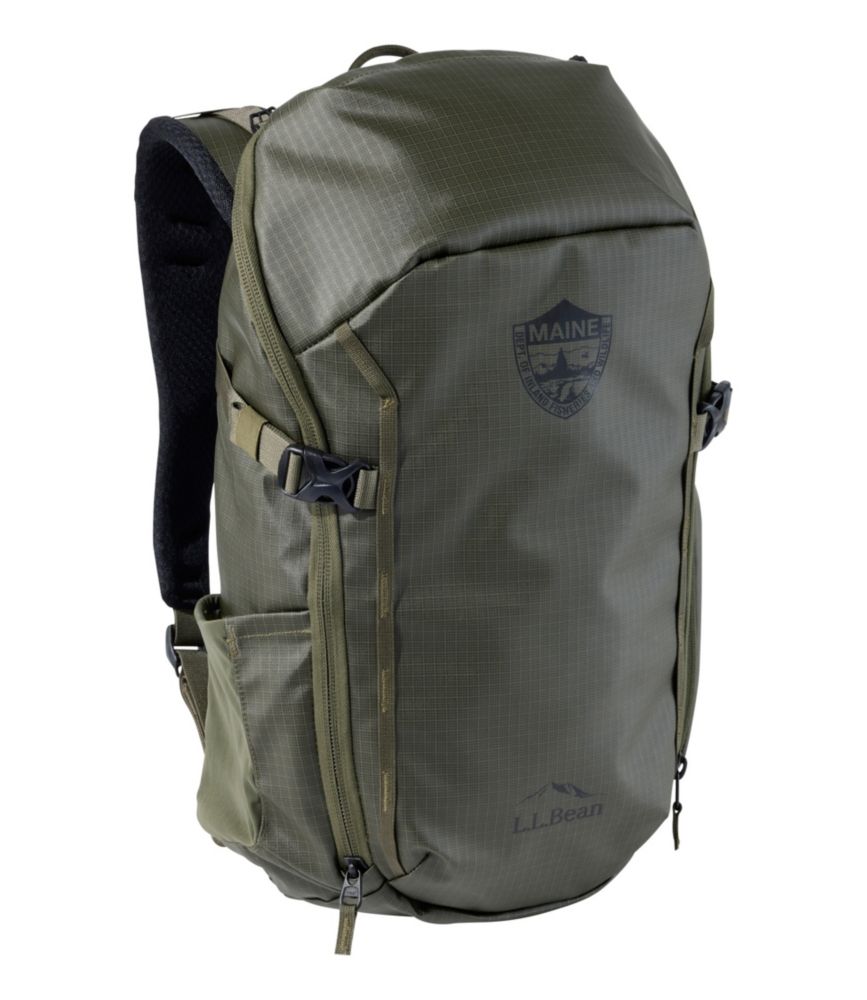
Maine Warden's Field Pack
L.L.Bean Maine Warden's Field Pack
A green technical day pack made from TPU-coated recycled polyester, with breathable support and field-ready storage.
(0)
$170 $170
SALE
$170 $170
SALE
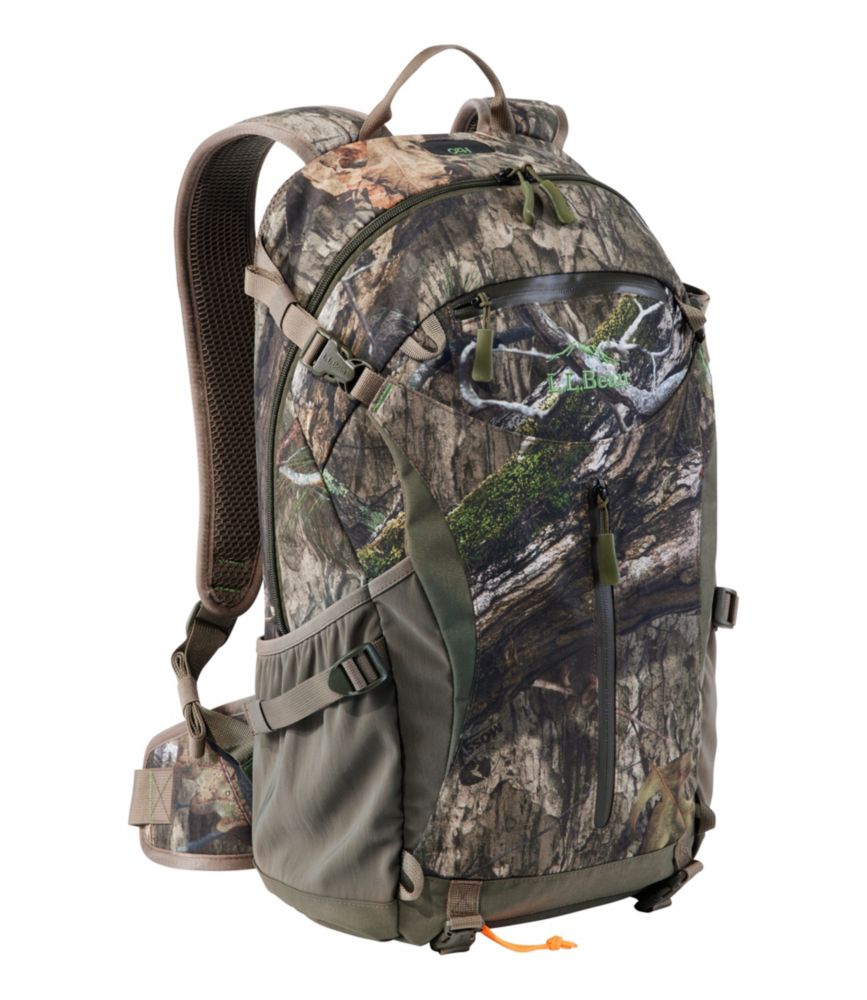
Ridge Runner Pro Hunting Pack, 30L
L.L.Bean Ridge Runner Pro Hunting Pack, 30L
A hunting pack in recycled polyester ripstop with Mossy Oak camouflage, hydration storage and EVA-foam cushioning.
(0)
$180 $180
SALE
$180 $180
SALE
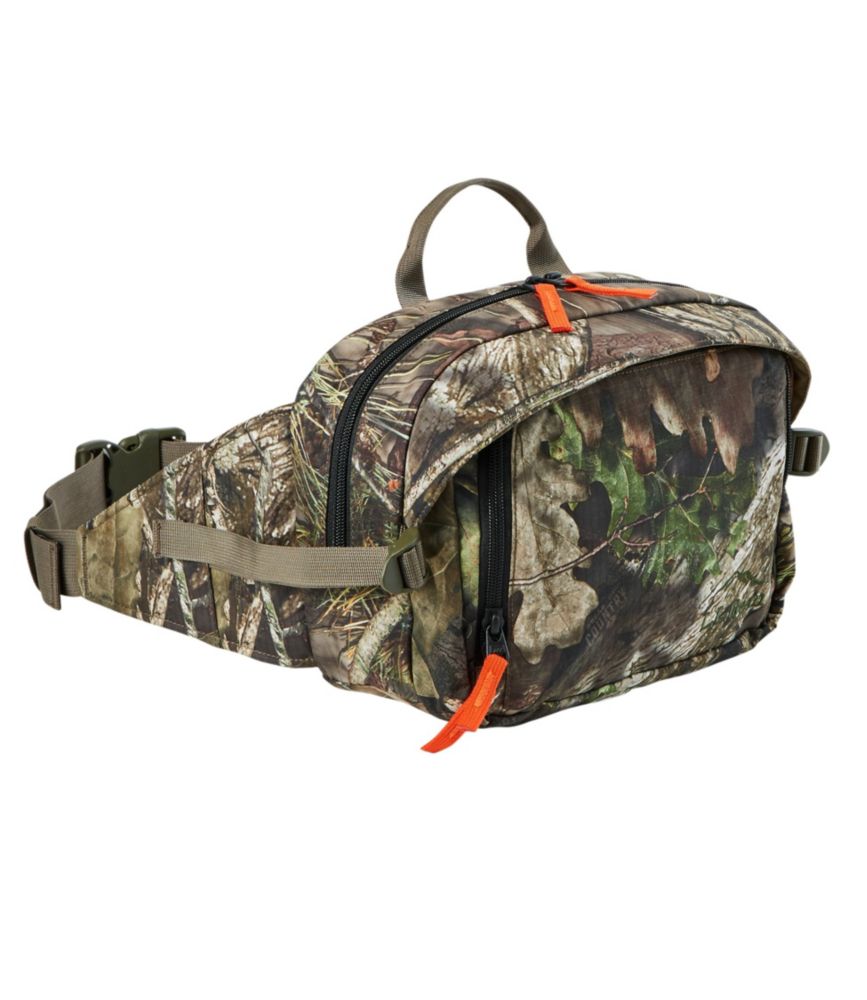
Northwoods Hunter's Waist Pack
L.L.Bean Northwoods Hunter's Waist Pack
A hunting waist pack in waterproof ripstop polyester with breathable mesh, compression straps and organized storage.
(0)
$59.95 $59.95
SALE
$59.95 $59.95
SALE
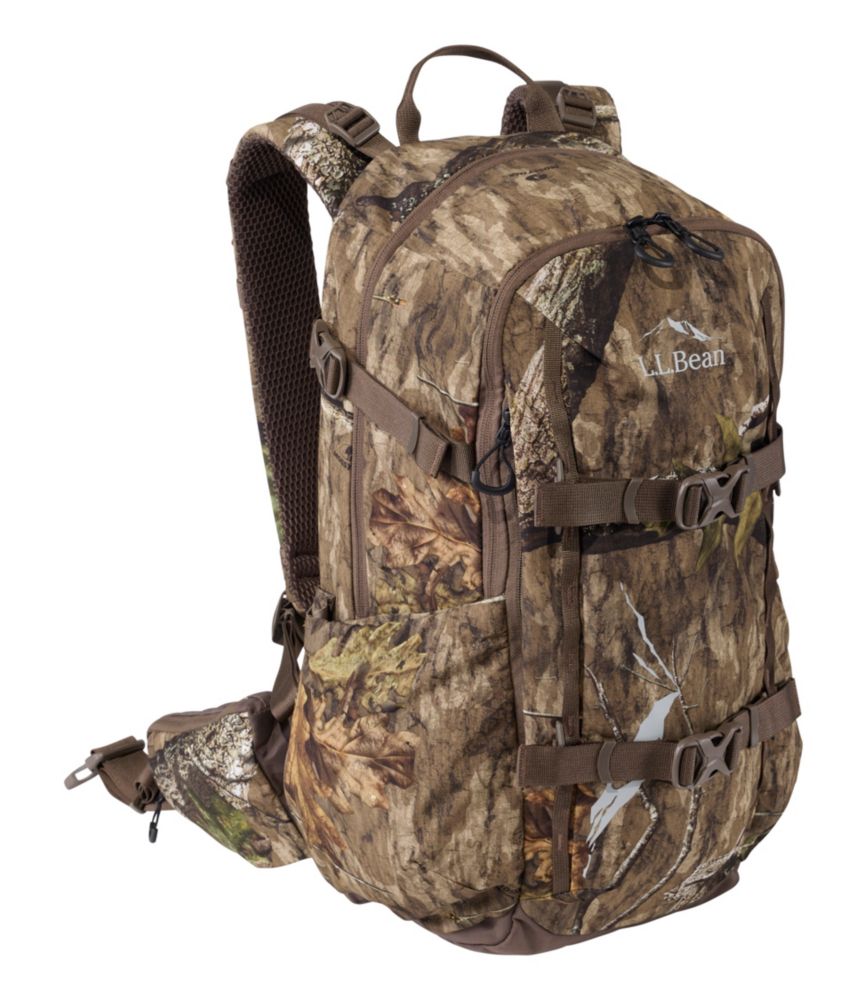
Ridge Runner Pro Hunting Pack II, 25 L
L.L.Bean Ridge Runner Pro Hunting Pack II, 25 L
A Mossy Oak camouflage hunting pack with recycled ripstop polyester, hydration storage, and EVA foam padding.
(0)
$150 $150
SALE
$150 $150
SALE
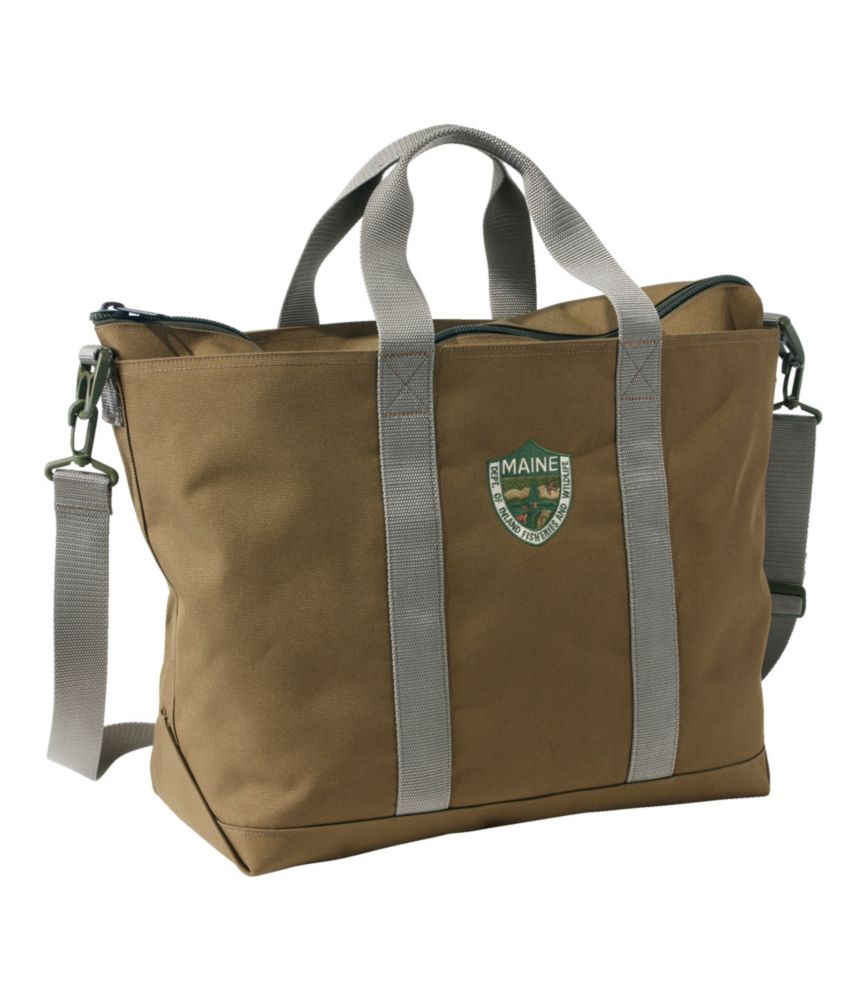
Maine Warden's Tote Bag
L.L.Bean Maine Warden's Tote Bag
A durable green polyester tote with water-resistant lining, reinforced bottom, full-length zipper, and adjustable shoulder strap.
(0)
$69.95 $69.95
SALE
$69.95 $69.95
SALE
Ridge Runner Pro Hunting Pack II, 28 L
L.L.Bean Ridge Runner Pro Hunting Pack II, 28 L
A 28-liter polyester hunting pack with Mossy Oak camouflage, load-bearing straps, hydration compatibility and organized storage.
(0)
$160 $160
SALE
$160 $160
SALE

Hunting Packs

Hunting packs belong to a familiar part of the hunting tradition: thinking through what to bring before heading into the field. Choosing among them is less about finding one answer for everyone and more about matching a pack to an individual hunter’s plans, preferences and gear list. A brief hunt on familiar ground and a longer hunting outing can begin with very different lists, even for the same person. The place to start is with those actual plans rather than an idea of what a hunting pack ought to look like. A map spread across the kitchen table, a written list of essentials and the dimensions of the gear already owned provide useful context for browsing. Capacity and overall size are separate details worth comparing wherever they are listed; neither a photograph nor a category name tells the whole story. The amount someone expects to bring, the shape of those belongings and their preferred arrangement all influence which option deserves a closer look. Some hunters prefer to keep their list spare, while others have a more established assortment of field essentials. Neither preference makes the decision for them, but both give the comparison a practical starting point. Hunting packs also reflect personal routines built through experience: the things someone checks before leaving, the belongings they like to keep together and the details they notice after returning home. For someone new to hunting, those preferences may still be taking shape. For an experienced hunter, replacing a familiar pack may mean looking closely at the details they would keep and the ones they would change. This collection brings the search back to the hunting pack itself, with individual descriptions providing the information needed to weigh each choice against a real gear list rather than a general impression.

Fit, materials, construction and care belong in that comparison, with the details of each pack carrying more weight than assumptions about the category. Fit is personal, and a description of size is most useful when read alongside any measurements and fitting information provided for that particular design. Two people with similar gear lists may still have different preferences about how a pack feels and where it sits. Familiarity with a previous pack can help make those preferences specific: which dimensions felt right, which proportions seemed awkward and what information would have been helpful before choosing. Where adjustment details are provided, they deserve a careful read rather than a guess based on photographs. Materials and construction information offer another way to compare options without relying on appearance alone. A close-up image can show a detail, but the written description is the place to confirm what that detail actually is. Durability may be an important priority, yet it is better considered through the stated construction of an individual pack than inferred from its styling. Care deserves the same attention. The appropriate cleaning method depends on the particular pack, so its care directions should take precedence over a routine borrowed from another piece of gear. Someone who prefers straightforward maintenance can factor those directions into the decision before choosing. Dimensions also become more meaningful when compared with measured belongings rather than estimates. A familiar piece of hunting gear placed beside a tape measure offers a clearer reference than trying to judge scale from a screen. If a measurement, material detail or care instruction is not included, it is worth clarifying rather than filling in the gap. These considerations keep the focus on what is actually described and on the hunter’s own preferences. They also give shoppers a way to distinguish between packs that may appear similar at first glance, without treating a shared category name as a promise of identical fit, construction or intended use.

Personal taste has a place alongside those practical details. A hunting pack is often chosen with a familiar routine in mind, and the right appearance is the one its owner genuinely likes rather than the one that seems to follow a passing style. Comparing the views shown on each product page can help shoppers decide which design appeals to them, while the accompanying information provides the substance behind that first impression. For a replacement, it can be helpful to separate affection for an old favorite from the details that mattered most about it. Perhaps its size was the deciding factor, or perhaps the owner has a clearer sense of their preferences after years of hunting. A new choice does not need to repeat every detail to feel considered. Hunting packs can also be a thoughtful gift for an adult hunter, especially when the giver knows something about the recipient’s plans and existing gear. A conversation about what they would keep or change in their present setup is often more useful than a surprise based only on appearance. For someone beginning to hunt, their own preferences—and any advice from an experienced hunting companion—can help narrow the choice without assuming that every beginner needs the same thing. For someone who has hunted for years, the most meaningful details may be quite specific. Browsing with those preferences in mind makes the selection more personal and gives the recipient a voice in a piece of gear they will choose for themselves in practice. Shoppers exploring a separate pack category can also browse Camping Packs. Within hunting packs, the clearest comparison remains the same: the hunter’s actual plans, the particulars stated for each option and the details that matter to the person making it part of their hunting routine.

FAQs