It's time to upgrade your browser

Your current browser is no longer supported on llbean.com. Please upgrade to one of the following for a smoother, safer shopping experience with us:

Foldable Insulated Lunch Bags

Find foldable insulated lunch bags that pair insulation with a design that folds down for storage. As you browse, consider how much room you need for your lunch and where you’ll keep the bag between uses to choose an option that fits your routine.
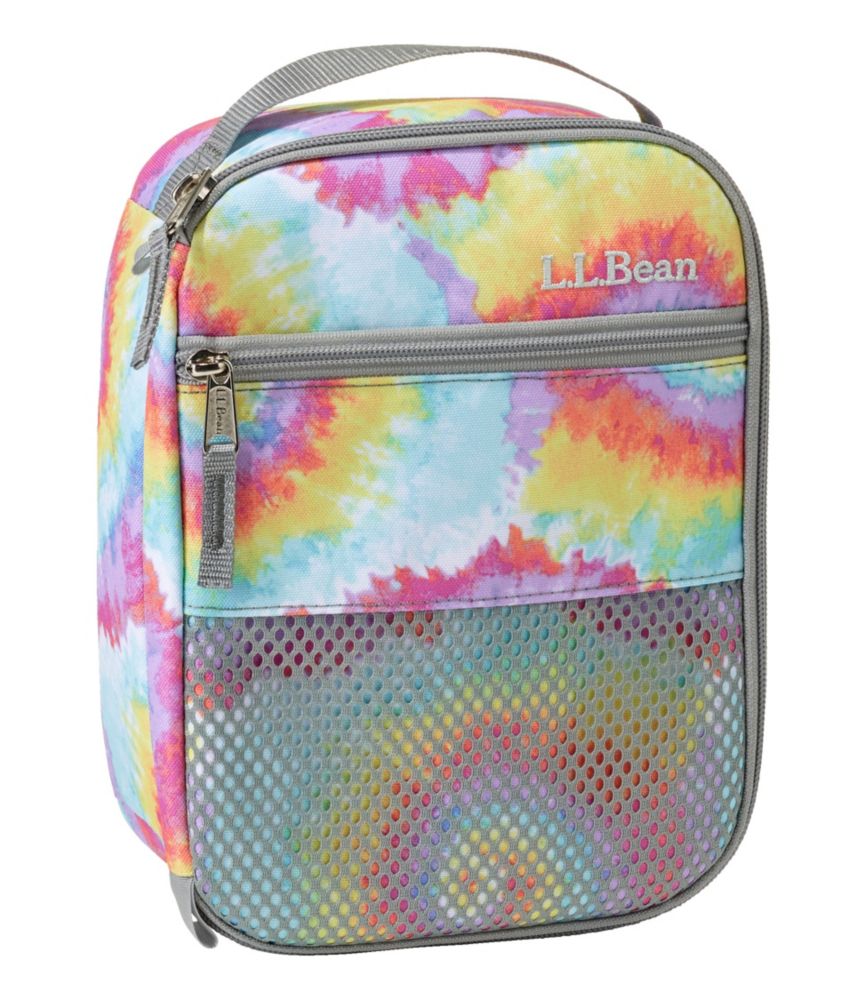
Lunch Box, Print
L.L.Bean Lunch Box, Print
A printed polyester lunch box with insulated, easy-clean lining and mesh pocket for ice packs.
(1,559)
$22.95 $22.95
SALE
What customers like:
Perfect size
Spacious
Durable
Nice design
Easy to clean
$22.95 $22.95
SALE
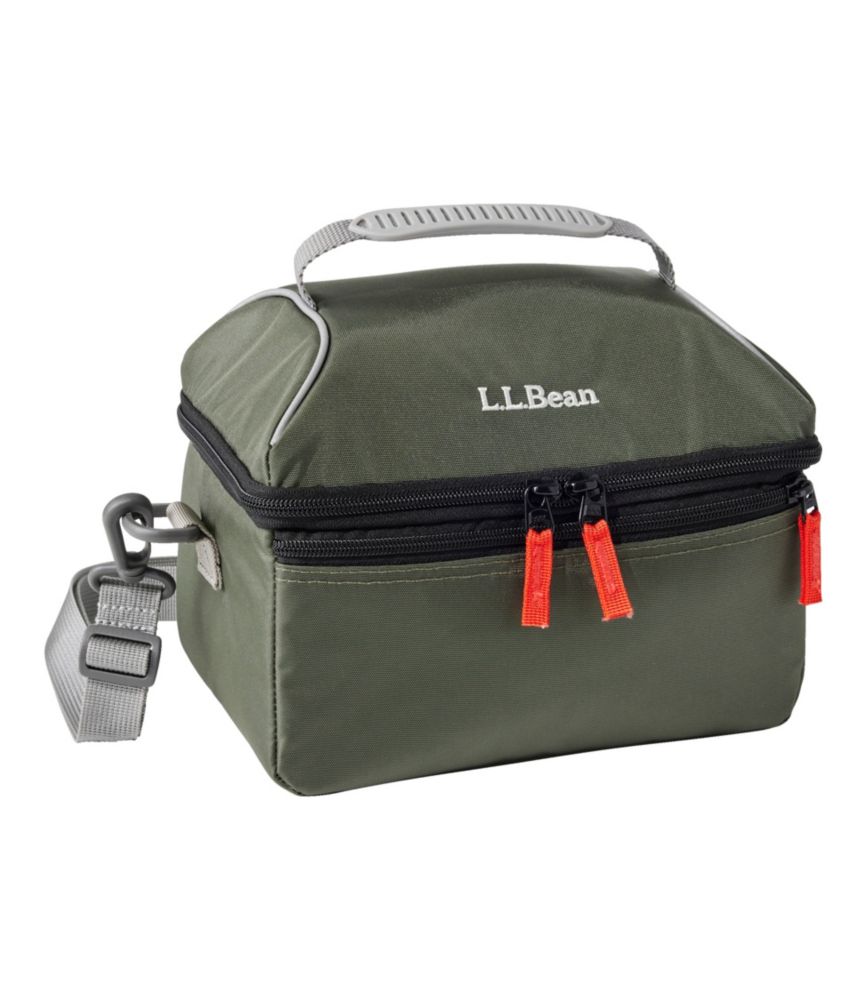
Flip-Top Lunch Box
L.L.Bean Flip-Top Lunch Box
A green nylon lunch box with rugged construction, full insulation, water-resistant lining and adjustable shoulder strap.
(653)
$29.95 $29.95
SALE
What customers like:
Spacious capacity
Attractive appearance
Portable design
Sturdy construction
Comfortable to carry
$29.95 $29.95
SALE
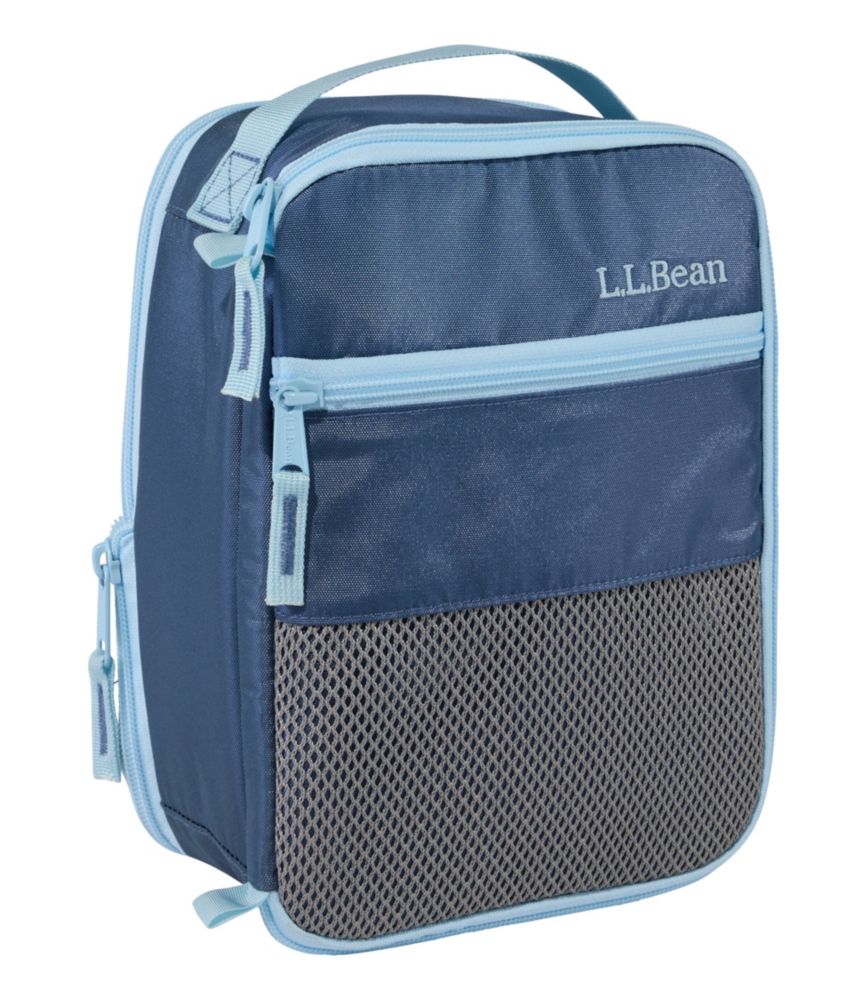
Expandable Lunch Box
L.L.Bean Expandable Lunch Box
An insulated blue nylon lunch box with expandable storage, easy-clean lining, and interior and exterior pockets.
(311)
$26.95 $26.95
SALE
$26.95 $26.95
SALE
Expandable Lunch Box, Print
L.L.Bean Expandable Lunch Box, Print
An expandable insulated lunch box in tough polyester packcloth with an easy-clean lining and ice-pack pocket.
(257)
$26.95 $26.95
SALE
$26.95 $26.95
SALE

Foldable Insulated Lunch Bags

Foldable insulated lunch bags combine insulation with a design that folds down for storage when empty. That combination makes the space a bag takes up between lunches as relevant as the room it offers when packed. A lunch bag has to accommodate the meal someone actually brings, whether that means a sandwich and an apple or a main dish with several small containers alongside it. The right size starts with those familiar contents rather than with the largest bag possible. A broad container needs a suitable base, a tall container needs enough height, and several separate pieces need a layout that does not depend on squeezing everything together. Stated dimensions are a useful starting point, especially when compared with the containers already in regular rotation. Interior and exterior measurements describe different things, so it helps to know which measurements a description provides. The shape of the opening also deserves attention: enough room inside does not necessarily mean a large container will pass through without being tilted. A little room around a packed meal can make the arrangement less crowded, but extra capacity is only useful when it suits the lunch being carried. For someone who packs much the same meal each day, a familiar arrangement can make choosing a size straightforward. For someone whose lunch changes often, comparing a few typical combinations gives a more realistic picture than measuring a single container. Foldability adds another dimension to that choice. Open dimensions describe the bag at lunchtime; folded dimensions describe the space it needs afterward. Both matter when the bag has a particular place to go between uses. A shelf, drawer or other storage spot may have room for one shape but not another, even when two bags have similar capacity. The most useful comparison considers the complete routine: a packed lunch, an empty bag and the place where that bag will be kept.

Insulation is the other defining feature of this category, but the word alone does not establish how long a particular lunch can be stored. Food-handling recommendations still apply, and any stated insulation performance should be understood in the context of the individual bag and its instructions. There is no universal holding time that can be assumed for every insulated lunch bag or every meal. This distinction is useful when comparing descriptions, because a familiar category name is not a substitute for the details of a particular design. Materials, construction and care information deserve the same attention as size. Rather than assuming all foldable bags use the same materials or can be cleaned in the same way, look for the stated composition and the care directions that accompany each one. A routine built around a packed lunch works best when the care requirements are understood from the start. Crumbs, a mark from a container and an occasional food spill are ordinary considerations, but the appropriate cleaning method depends on the bag. Follow its directions for cleaning and drying instead of assuming that machine washing, soaking or a particular cleaning product is suitable. The folding method is worth understanding, too. Foldable does not describe one standard shape, one set of folded dimensions or one way of storing a bag. Product details can clarify how a design folds and whether there are particular steps to follow before putting it away. Construction information also offers a more concrete basis for considering durability than appearance alone. Details about how a bag is made, how it closes and how it should be maintained can help distinguish designs without treating every bag as interchangeable. Quality is worth considering alongside personal preference: an appealing shape or color should sit comfortably with the dimensions, care requirements and folding design that fit the way lunch is packed.

Personal preference has a place in choosing a lunch bag, especially for something that becomes part of a familiar daily routine. A simple design may suit someone who prefers understated essentials, while another person may enjoy a more distinctive look. Neither choice replaces the practical details, but appearance can help make an everyday object feel like a considered part of the day rather than an afterthought. Proportion matters as much as overall size: a bag that looks generous in a photograph may have a different shape than expected, which is another reason to return to the measurements. Think of the arrangement of an ordinary lunch—a rectangular main container, a smaller side container and a piece of fruit—and consider the space each takes up. Then consider the bag empty, folded according to its instructions and returned to its storage spot. That full picture gives foldability a practical context without assuming every design takes up the same amount of room. Foldable insulated lunch bags can also be a thoughtful gift for someone who regularly brings lunch. The most personal choice reflects habits already known: the size of their usual meal, their preference for a particular shape and the amount of storage space they have between uses. Those details are more helpful than choosing extra capacity simply because it is larger. A gift does not have to be elaborate to show attention to an everyday routine. For another way to compare this category, explore Durable Insulated Lunch Bags, keeping individual construction and care details in view. Whether choosing a bag for personal use or for someone else, the strongest starting point is a clear sense of what needs to fit and where the bag will go afterward. Insulation, foldability, dimensions and care each contribute something different to that decision. Considered together, they help narrow the choice to a lunch bag that makes sense for the meal, the available space and the person carrying it.

FAQs