It's time to upgrade your browser

Your current browser is no longer supported on llbean.com. Please upgrade to one of the following for a smoother, safer shopping experience with us:

Deep Heel Cup Sandals

Find deep heel cup sandals with a footbed shaped to cradle the heel. Browse the available styles, and compare each pair’s fit, sizing and footbed details to help you choose—heel cup depth is just one part of finding the right fit.
Read More
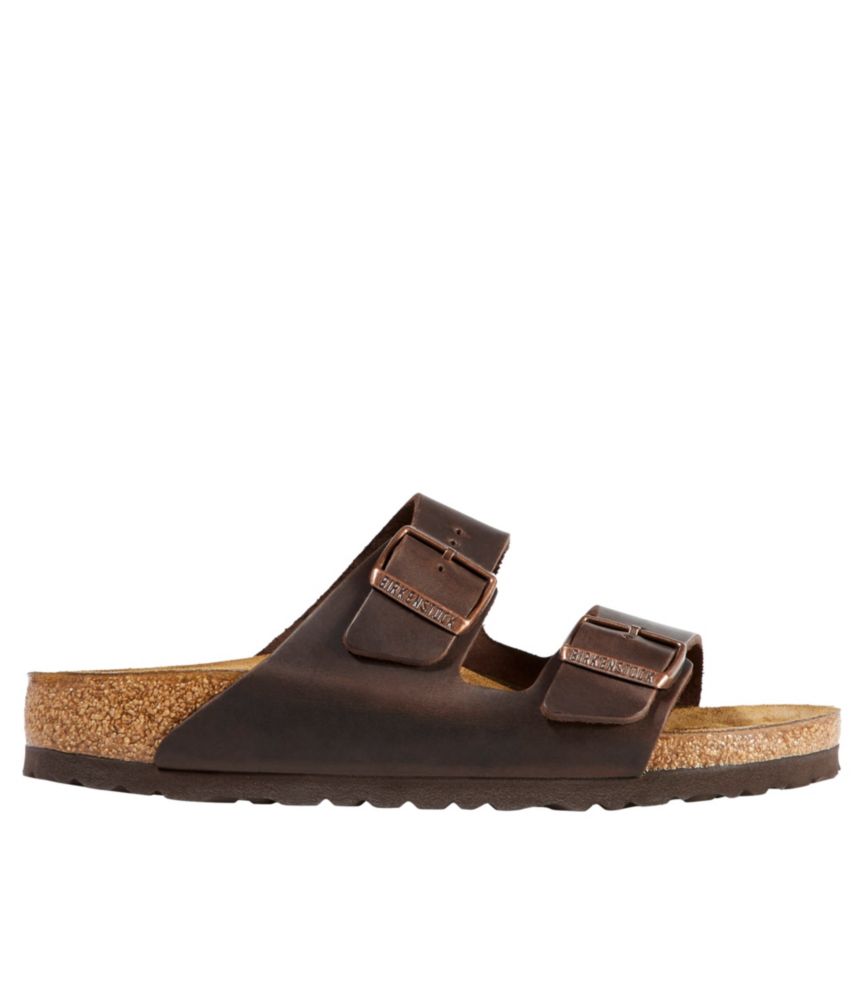
Men's Birkenstock Arizona Leather Sandals
Birkenstock Men's Birkenstock Arizona Leather Sandals
A multicolor leather sandal featuring a contoured footbed, secure heel cup, and lightweight shock-absorbing EVA outsole.
(0)
$139.95 $139.95
SALE
$139.95 $139.95
SALE
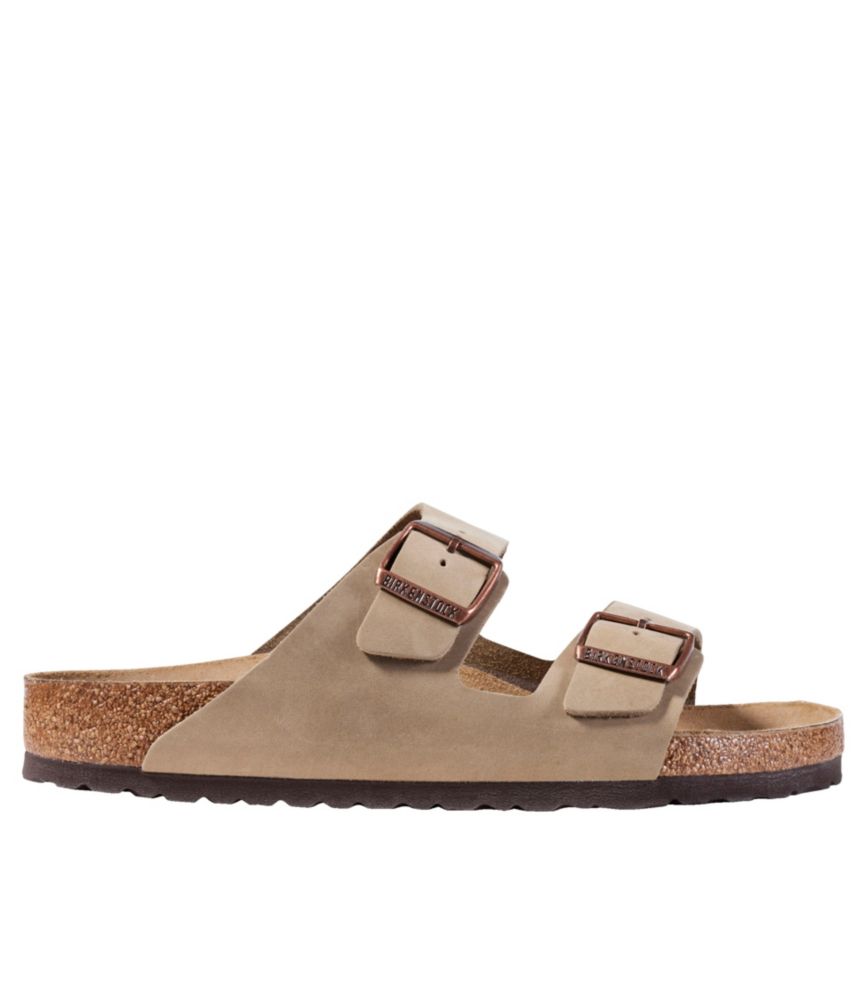
Women's Birkenstock Arizona Sandals, Leather, Classic Footbed
Birkenstock Women's Birkenstock Arizona Sandals, Leather, Classic Footbed
A brown suede leather sandal with a contoured cork footbed, secure heel cup, and EVA outsole.
(171)
$139.95 $139.95
SALE
What customers like:
Pain-free comfort
Attractive color
Stylish design
Durable construction
Versatile use
$139.95 $139.95
SALE
Women's Birkenstock Mayari Birkibuc Sandals
Birkenstock Women's Birkenstock Mayari Birkibuc Sandals
A tan sandal with a nubuck-like synthetic leather upper, contoured cork footbed and supportive EVA outsole.
(0)
$112.95 $112.95
SALE
$112.95 $112.95
SALE
Women's Birkenstock Big Buckle Arizona Sandals, Leather
Birkenstock Women's Birkenstock Big Buckle Arizona Sandals, Leather
A gray suede leather sandal with big-buckle straps, contoured cork footbed, and shock-absorbing EVA outsole.
(123)
$174.95 $174.95
SALE
$174.95 $174.95
SALE
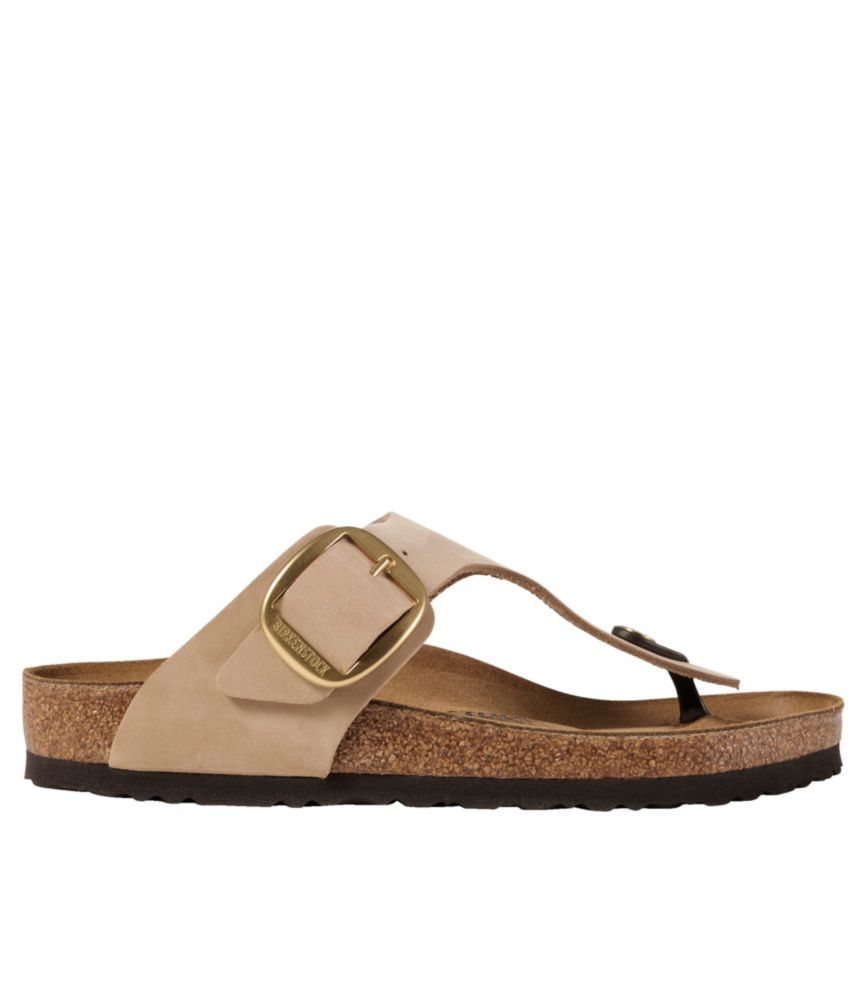
Women's Birkenstock Big Buckle Gizeh Sandals, Nubuck
Birkenstock Women's Birkenstock Big Buckle Gizeh Sandals, Nubuck
A tan nubuck sandal with a statement buckle, contoured cork footbed and flexible, shock-absorbing EVA outsole.
(31)
$150 $150
SALE
$150 $150
SALE

Deep Heel Cup Sandals

Deep heel cup sandals are defined by the recessed area at the back of the footbed, where the heel sits within a raised border rather than on a flat surface. That shape is the starting point for this collection, but it is only one part of a sandal’s overall design. The outline of the footbed, the arrangement of the straps, and the proportions of the sole all contribute to how a pair looks and fits. From above, the heel cup may appear as a curved rim around the back of the sandal; from the side, its depth can be easier to see. Product photographs taken from several angles offer a fuller picture than a single overhead view, particularly when the shape of the heel area is the main reason for browsing. The word “deep” describes that recessed construction, not a standardized measurement shared by every sandal. Two pairs carrying the same description can have different dimensions and a distinctly different feel on the foot. That makes the complete design worth considering alongside the heel cup itself. A broad strap creates a different visual impression than several narrow straps, while an open back has a different silhouette from a design with a strap behind the heel. Neither appearance alone tells the whole story about fit. For shoppers who already know they prefer a defined heel recess, this category brings that detail into focus without making every sandal interchangeable. Personal style still has a place in the decision: understated shapes, simple lines, and balanced proportions can be just as important as the footbed’s profile. The most useful comparison considers the sandal as a whole, giving equal attention to its shape, sizing information, and the details that distinguish one design from another.

Fit is an individual consideration with deep heel cup sandals, especially because the border around the heel makes the relationship between foot and footbed easy to notice. The heel should sit within the recessed area rather than rest on its raised edge, and the toes should remain inside the front boundary of the footbed. A familiar shoe size is a useful starting point, but it does not describe every dimension of a foot. Heel width, forefoot width, and the amount of space beneath the straps can each affect the fit, even when the stated size is the same. Someone whose heel fits neatly into the cup may still need a different width through the front, while another person may find that the length is right but the strap placement is not. Size charts and any stated fit notes provide more useful context than assuming all sandals follow the same proportions. Where a design includes adjustments, the product description should explain which parts can be changed; an adjustable strap does not mean that the footbed itself changes width or shape. When trying on a pair, checking both feet and taking a few unhurried steps gives a clearer impression than looking down while standing still. Notice whether the heel remains inside the cup and whether any edge or strap presses against the foot. A deep heel cup is a construction detail, not a promise of a particular fit or a substitute for individual medical advice. Shoppers interested in a neighboring category can also explore Supportive Sandals, comparing the full descriptions rather than treating category names as equivalent. For a gift, knowing the recipient’s usual size is helpful, but knowing their preferred sandal shape and width is more informative. Footwear is personal, and a familiar style preference can be a better starting point than choosing by appearance alone.

Materials, care requirements, and intended use belong in the comparison, too, with the details of each pair providing the clearest information. A deep heel cup does not identify what the footbed, straps, lining, or outsole are made from, and it does not establish how those components should be cleaned. Those parts may have separate material descriptions and different care instructions, so the construction information deserves the same attention as the photographs. Close-up images can reveal surface texture, stitching, strap edges, and the transitions between components, while written details explain what a photograph cannot. A smooth-looking surface, for example, is not enough to determine its composition or whether it can be washed. Care should follow the directions for the particular pair, including any restrictions on soaking, cleaning products, drying, or storage. The heel recess also deserves a look during routine cleaning, since its border creates an interior edge that is easy to overlook. Durability is another consideration best grounded in the stated construction and care information rather than inferred from a substantial-looking sole or a pronounced heel cup. The category name alone does not establish how long a sandal will last, what conditions it is intended for, or how it will perform on a particular surface. If a shopper has a specific activity in mind, the individual description is the place to check whether that use is identified. Style choices can remain more personal: a simple silhouette alongside straight-leg pants, a strap pattern that complements a favorite skirt, or a color that fits an existing wardrobe. Looking at the full sandal helps make those choices feel considered rather than complicated. The same approach works for someone replacing a familiar pair or exploring a different footbed shape for the first time. Start with the defining heel cup, then consider the fit, appearance, construction information, and care expectations together. That complete picture is what makes a collection of deep heel cup sandals useful: a shared design detail, with room to choose according to individual preferences.
Read More

FAQs