It's time to upgrade your browser

Your current browser is no longer supported on llbean.com. Please upgrade to one of the following for a smoother, safer shopping experience with us:

Cute Infant Outfits

Explore cute infant outfits and baby clothing to find a style you love for your little one or a thoughtful gift. As you browse, check each item’s size information and product details to see what’s included and help narrow your choices.
Read More
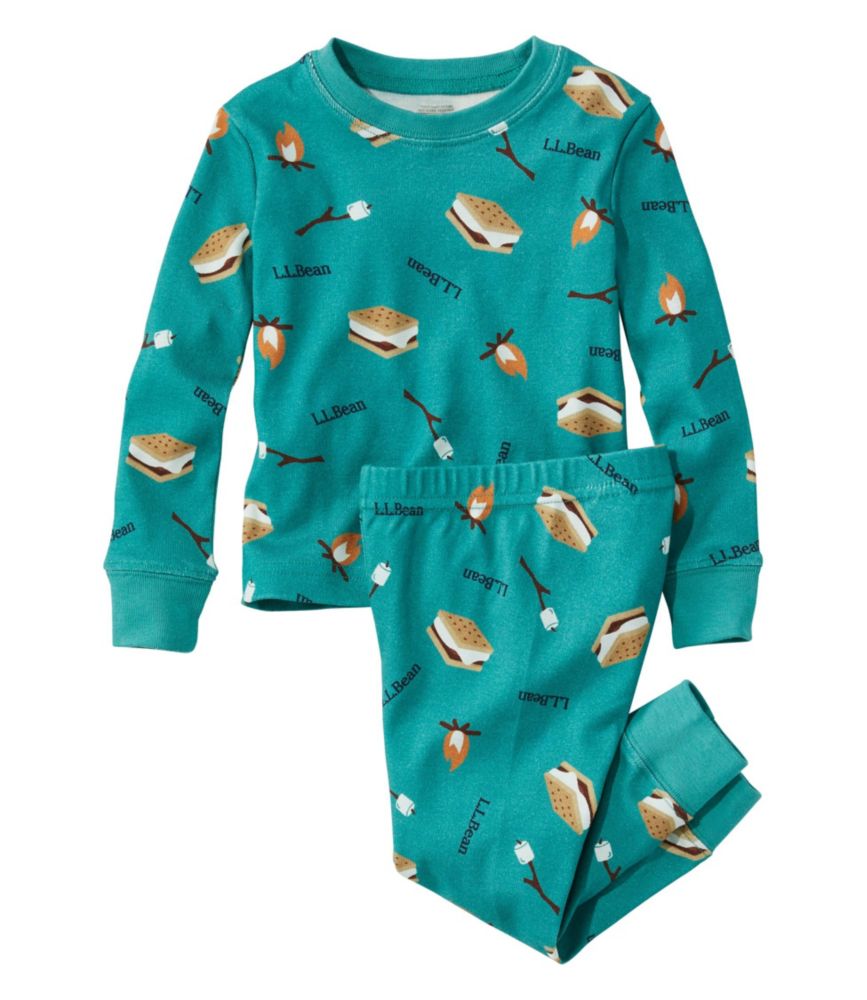
Toddlers' Organic Cotton Fitted Pajamas
L.L.Bean Toddlers' Organic Cotton Fitted Pajamas
A pair of extra-soft, snug-fitting pajamas in 100% organic cotton with rib knit cuffs and elastic waist.
(148)
$44.95 $37.99
SALE
What customers like:
Perfect fit
Flattering shape
Cute print
Durable material
Comfortable
$44.95 $37.99
SALE
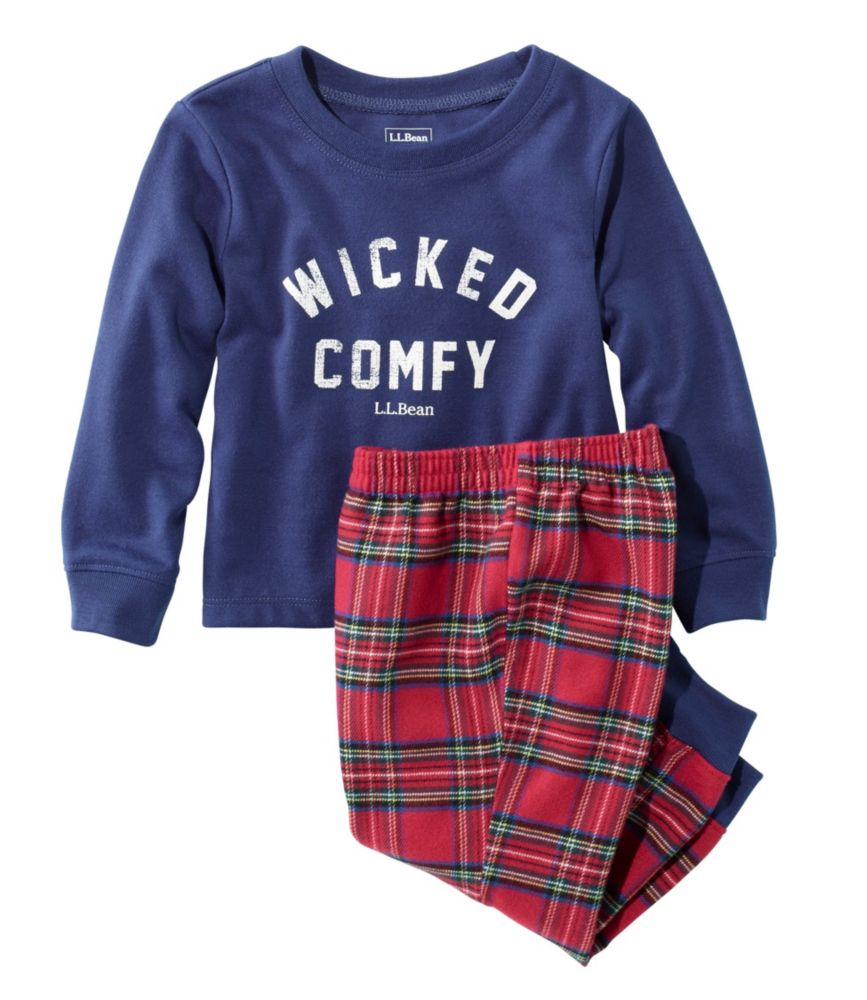
Kids' L.L.Bean Flannel Pajamas
L.L.Bean Kids' L.L.Bean Flannel Pajamas
A cozy multi-color kids' pajama set with a soft graphic top and coordinating flannel bottoms.
(511)
$59.95 $26.99
SALE
$59.95 $26.99
SALE
Infants' L.L.Bean Hi-Pile Fleece Bunting
L.L.Bean Infants' L.L.Bean Hi-Pile Fleece Bunting
A super snuggly, natural-colored fleece bunting with rollover cuffs and a deep full-front zipper for infants.
(373)
$54.95 $54.95
SALE
What customers like:
Fits well in carrier and stroller
Warmth
Ease of use
Calming effect
Versatility
$54.95 $54.95
SALE
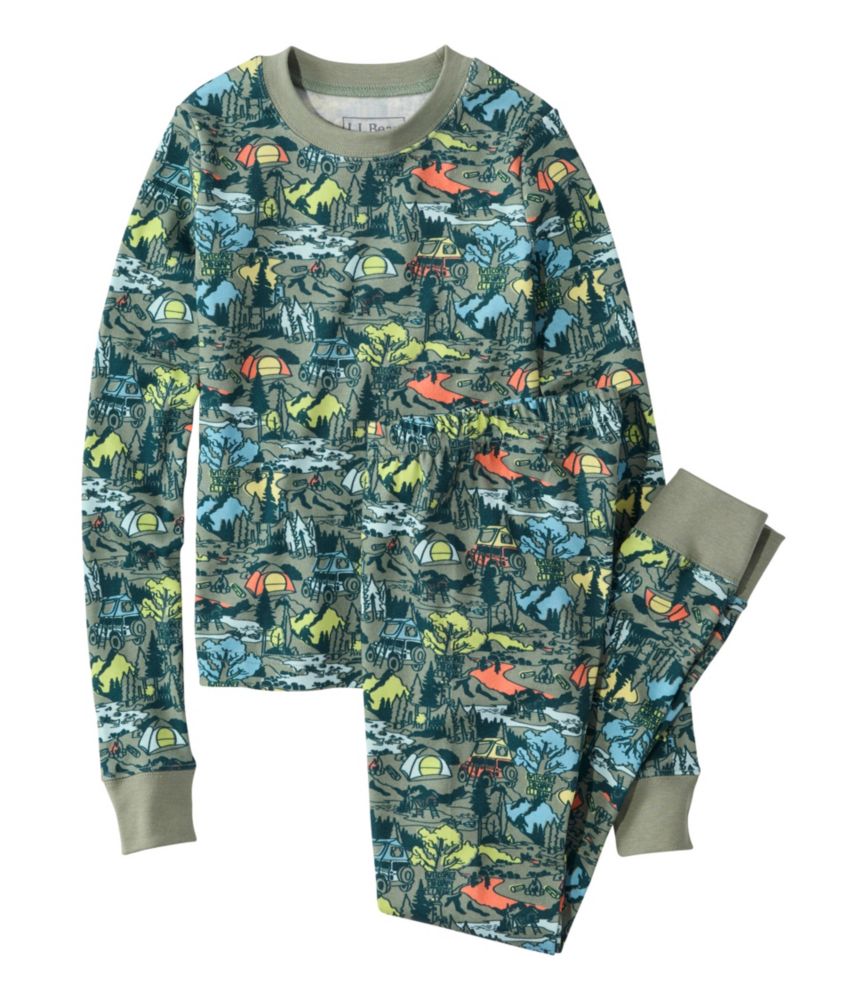
Kids' Organic Cotton Fitted Pajamas
L.L.Bean Kids' Organic Cotton Fitted Pajamas
A pair of extra-soft, multi-color organic cotton pajamas with rib knit cuffs and unisex printed design.
(333)
$49.95 $49.95
SALE
What customers like:
Great fit
Very comfortable
Exceptionally soft fabric
$49.95 $49.95
SALE
Infants' and Toddlers' L.L.Bean Sweater Fleece, Full-Zip Print
L.L.Bean Infants' and Toddlers' L.L.Bean Sweater Fleece, Full-Zip Print
A cozy, multi-color fleece layer with a smooth sweater-knit exterior and soft brushed interior for toddlers.
(0)
$74.95 $74.95
SALE
$74.95 $74.95
SALE

Cute Infant Outfits

Cute infant outfits bring together the small visual details that make baby clothing feel personal: a pleasing color combination, a thoughtfully placed pattern, or a simple look with just enough character. Cuteness is a matter of taste, and an outfit does not need an elaborate design to stand out. Some families gravitate toward quiet colors and understated details; others enjoy cheerful prints or a brighter palette. A useful starting point is the overall look rather than a long list of separate pieces. One prominent pattern can give an outfit its focus, while a coordinating color helps the rest feel connected. For a more understated approach, similar shades create a cohesive look without requiring an exact match. Small-scale patterns offer a different visual effect from larger motifs, and the amount of contrast can make the same color palette feel either subtle or lively. Thinking about these distinctions makes it easier to recognize styles that reflect a family’s preferences rather than choosing something simply because it is labeled for babies. Gender-neutral colors and designs can also appeal to anyone who prefers to choose by personal taste instead of traditional color categories. There is no single palette that makes an infant outfit cute, and matching every detail is not necessary. A favorite shade, a familiar motif, or a playful accent may be enough to give the look its personality. When browsing cute baby outfits, consider how the design reads as a whole: whether the print is the main feature, whether several details compete for attention, and whether the combination feels like something the parents would choose themselves. These visual choices help distinguish an outfit that is merely decorative from one that feels genuinely connected to the family’s style. The most appealing look is often the one with a clear point of view, whether that means simple and classic or colorful and expressive.

Beyond appearance, the information attached to an individual infant outfit deserves careful attention. Photographs can show color and styling, but they do not replace the listed measurements, fabric composition, care directions, or intended use. For fit, begin with the manufacturer’s size chart and the measurements it requests rather than treating an age label as the whole answer. Size names are a starting point for comparison, not a reason to assume that two outfits will fit alike. When shopping for someone else’s baby, asking the parents which size they are choosing is more useful than guessing from age alone. Read any additional fit notes, and avoid assuming that ordering a larger size automatically makes an outfit the better choice. Materials deserve the same item-by-item attention. The fabric listing identifies what a garment contains; a photograph or a description of its appearance cannot provide that information. Likewise, care instructions establish how that particular garment should be cleaned, so check them before deciding whether it fits the household’s laundry routine. A family that sorts clothing into a single regular wash may have different preferences from one that is comfortable setting pieces aside for separate care. Neither preference changes how cute an outfit looks, but it can influence which choice makes sense for that household. Durability should also be evaluated through verified construction details and the stated care requirements, not inferred from a substantial-looking photograph or decorative finish. If the description does not establish a feature, leave it as an unanswered detail rather than filling in the gap. The same principle applies to intended use: an outfit’s appearance alone does not establish that it is appropriate for every activity or routine. Reading those details alongside the styling information keeps the decision grounded in the actual garment. An appealing design can catch the eye first, while clear product information helps a shopper make a more considered selection.

Infant outfits can be a thoughtful gift from grandparents, relatives, friends, or anyone celebrating a family’s new arrival, particularly when the choice reflects what the recipients enjoy. A little knowledge of the parents’ preferences goes further than an elaborate presentation. Notice whether they favor restrained patterns, bright color combinations, or a mostly neutral wardrobe, and use that as a starting point. If they have shared a registry or mentioned clothing preferences, those details offer a more reliable direction than a guess about what every family needs. Someone who loves playful prints may appreciate a distinctive design, while someone who prefers a simpler look may be drawn to a coordinated palette with fewer decorative elements. It can also help to ask whether the family prefers choosing complete looks or making its own combinations. For the latter, consider the colors already represented in the baby’s clothing rather than trying to introduce an entirely different style. When a gift is connected to a celebration, a separate selection of Infant Holiday Clothing offers another place to explore that theme. For other gifts, there is no need to attach an occasion to the design; a well-chosen color or pattern can carry the sentiment on its own. Confirm the requested size close to the time of giving, and share the original care information so the recipients have the details that accompanied the garment. If several people are choosing clothing for the same baby, a quick conversation about preferences and sizing can make the selections feel more considered. Shopping for a baby’s wardrobe at home calls for much the same approach: start with the family’s taste, look closely at the individual details, and choose without feeling that every outfit must make a statement. Cute infant clothing can be understated, playful, traditional, or somewhere in between. What gives the choice meaning is the attention behind it—the familiar color, the pattern a parent would smile at, and the thought given to selecting something that reflects the people receiving it.
Read More

FAQs