It's time to upgrade your browser

Your current browser is no longer supported on llbean.com. Please upgrade to one of the following for a smoother, safer shopping experience with us:

Comforter Cover Clearance

Shop comforter cover clearance for reduced prices on select styles to complement your bedroom. Browse the available options, and check each cover’s dimensions and product details to find the right match for your comforter.

Birch Floral Percale Comforter Cover Collection
L.L.Bean Birch Floral Percale Comforter Cover Collection
A gray cotton percale comforter cover with a birch floral print, hidden buttons and internal ties.
(72)
$39.95 $33.99
SALE
What customers like:
Attractive design
Well constructed
High-quality fabric
Sturdy construction
$39.95 $33.99
SALE
Birch Floral Flannel Comforter Cover Collection
L.L.Bean Birch Floral Flannel Comforter Cover Collection
A gray floral flannel sham in extra-soft, pill-resistant cotton with an envelope closure.
(0)
$26.95 $22.99
SALE
$26.95 $22.99
SALE
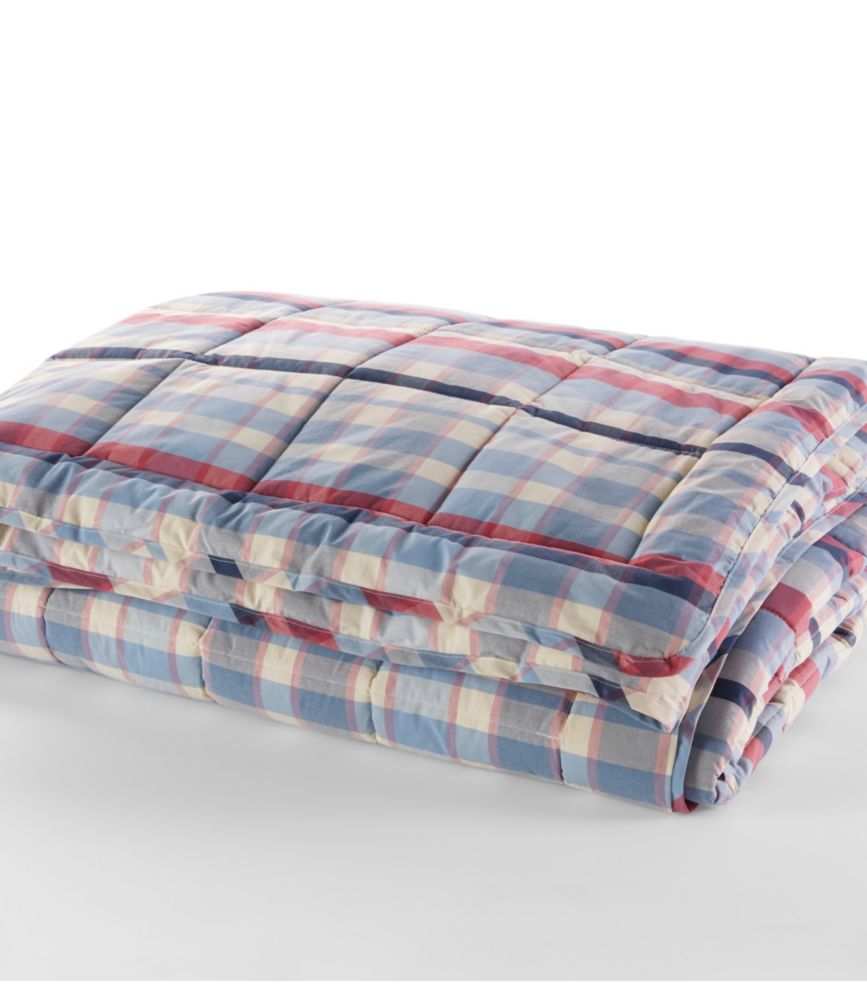
Ultrasoft Cotton Comforter, Plaid
L.L.Bean Ultrasoft Cotton Comforter, Plaid
A red plaid cotton comforter with moisture-managing TENCEL™ Lyocell fill and cozy year-round warmth.
(304)
$44.95 $37.99
SALE
$44.95 $37.99
SALE

Comforter Cover Clearance

Comforter covers are an important part of a bedroom’s overall look, bringing color and pattern to one of the largest visible surfaces in the room. A cover is separate from the comforter inside it, so its design can be considered alongside the bedding and furnishings already in place. The most appealing combinations often begin with something familiar: the shade of a painted wall, the lines of a wooden bed frame, a favorite picture or the border on a rug. A restrained palette can give those details more room to stand out, while a more prominent pattern can make the bed the main visual feature. Neither approach requires every piece to match. Repeating a color in two or three places can create a connection without making the room feel overly coordinated. Pattern scale matters, too. A small repeat reads differently across the full width of a bed than it does in a close-up image, and a larger motif may become the first thing noticed from the doorway. Looking at both full-bed photographs and detail views helps put the design in perspective. The relationship between the cover and the surrounding room is just as important as the pattern itself. A detailed headboard, patterned curtains and several decorative pillows create a different starting point than plain walls and a simple bed frame. Comforter covers offer a way to explore that balance through one central part of the bedding arrangement. There is room for personal preference, whether that means closely related shades, a clear contrast or a pattern that echoes another detail in the room. A lasting sense of style often comes from those individual connections rather than an exact match to a photograph. The result can feel considered without looking formal, with the bed belonging naturally among the things that make the space your own. Looking at the room as a whole also keeps smaller decorative decisions in proportion.

Size is another essential part of comparing comforter covers, and the dimensions of the comforter deserve as much attention as the size of the mattress. Bed-size names are a helpful starting point, but the listed width and length provide a more precise basis for comparison. A comforter already on hand can be measured flat, from edge to edge in both directions, with its label checked for any additional size information. Keeping those measurements nearby makes it easier to compare covers without relying on a name alone. The King Comforter Covers collection offers a size-focused place to continue browsing, with individual dimensions remaining an important part of the selection. Width and length should be considered separately rather than treated as interchangeable numbers, particularly when the two measurements are close. The appearance of the finished bed also depends on the proportions of the comforter itself. A photograph may show a generous amount of bedding at the sides, but that arrangement reflects the particular bed, mattress and comforter shown. Comparing those proportions with your own setup gives the image more useful context. Mattress depth, the height of the bed frame and the position of the headboard all influence how much of the surrounding furniture remains visible. A footboard can obscure part of a pattern, while a prominent headboard may create a strong visual border above it. These are design considerations rather than reasons to assume a different cover size will be the answer. Starting with the comforter’s actual measurements keeps sizing separate from styling. From there, the full arrangement becomes easier to picture: where the pillows sit, how the pattern appears across the center and which details remain visible at the sides. That closer look is especially helpful when comparing photographs taken from different angles, since a straight-on view and a side view can give quite different impressions of the same proportions. Clear measurements provide a steady reference throughout those comparisons.

Care information and package details round out the picture, alongside dimensions and design. The care label is the place to check washing and drying directions rather than assuming that similar-looking covers have the same requirements. Those directions can be compared with the laundry routine and equipment already in the household, including any stated limits or special steps. Keeping the label accessible also leaves a useful reference for later. Product descriptions deserve a similarly careful read when it comes to what is included. A photograph presents a complete arrangement, while the written description identifies the pieces associated with the selection. Pillows, shams and other bedding shown in a styled room should be considered separately unless they are expressly included. That distinction makes it easier to assess how a cover will relate to the bedding already at home without treating the entire photograph as a single purchase. Coordinating pieces do not have to repeat every detail of the cover. A plain pillowcase can sit alongside a patterned cover, and different patterns can share a color without sharing the same scale. The balance is personal: some rooms look complete with very little on the bed, while others reflect a preference for more layers of pattern and color. A useful point of reference is the bedding arrangement you already enjoy, including the pieces you intend to keep. Considering those familiar details gives each comparison a practical foundation. It also keeps attention on the cover itself rather than on every accessory surrounding it. Across the collection, the most relevant details are the ones that connect a design to your own preferences: its listed dimensions, its care directions, the scope of what is included and its relationship to the room. Taken together, those details make comforter covers easier to compare as individual parts of a thoughtfully assembled bed, with personal style guiding the final choice.

FAQs