It's time to upgrade your browser

Your current browser is no longer supported on llbean.com. Please upgrade to one of the following for a smoother, safer shopping experience with us:

Childrens Waterproof Snow Pants

Find children's waterproof snow pants for snowy days outside. Browse the selection and compare size charts, fit information and waterproof details on each product page to help choose the right pair for your child.
Kids' Cold Buster Snow Pants
L.L.Bean Kids' Cold Buster Snow Pants
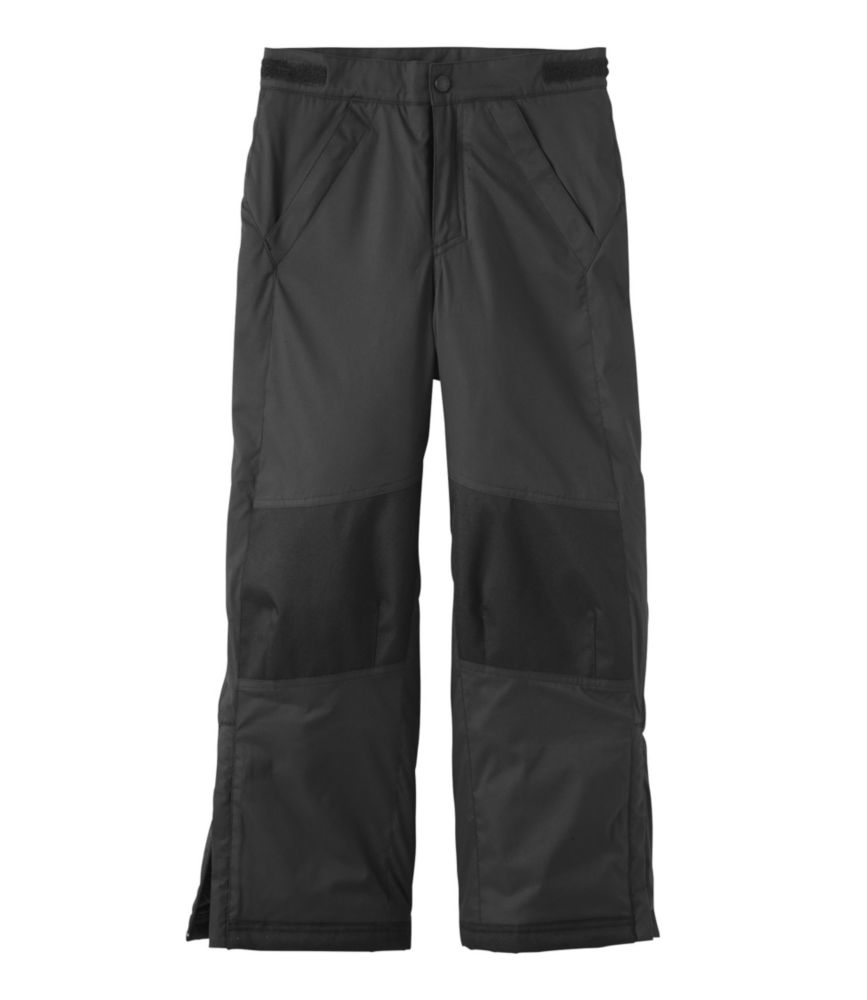
A black pair of snow pants with Thinsulate™ insulation, reinforced knees and cuffs, and internal gaiters.
(177)
$89.95 $89.95
SALE
What customers like:
Great quality
High comfort
Good fit
Excellent warmth
$89.95 $89.95
SALE
Kids' Waterproof Wildcat Insulated Ski Bibs
L.L.Bean Kids' Waterproof Wildcat Insulated Ski Bibs
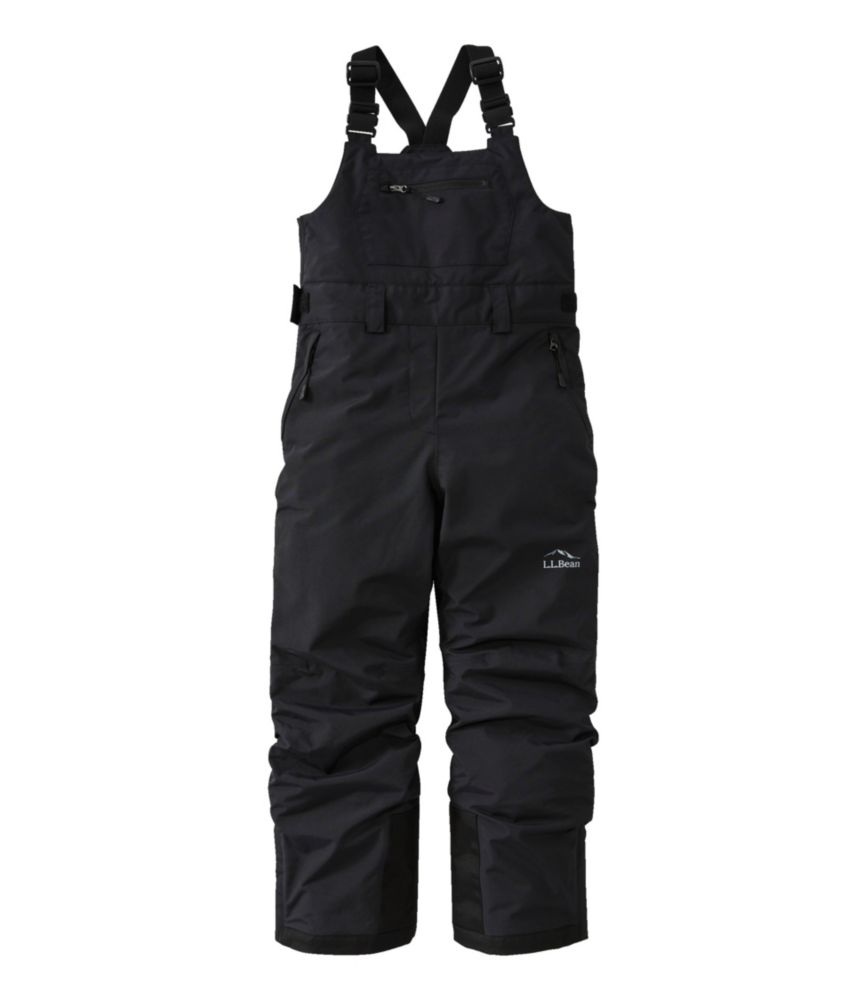
A waterproof insulated snow bib in black recycled nylon with fleece lining and internal snow gaiters.
(49)
$130 $130
SALE
What customers like:
Great size
Waterproof
Perfect fit and comfort
Warm
Not bulky
$130 $130
SALE
Infants' and Toddlers' Discovery Rain Pants
L.L.Bean Infants' and Toddlers' Discovery Rain Pants
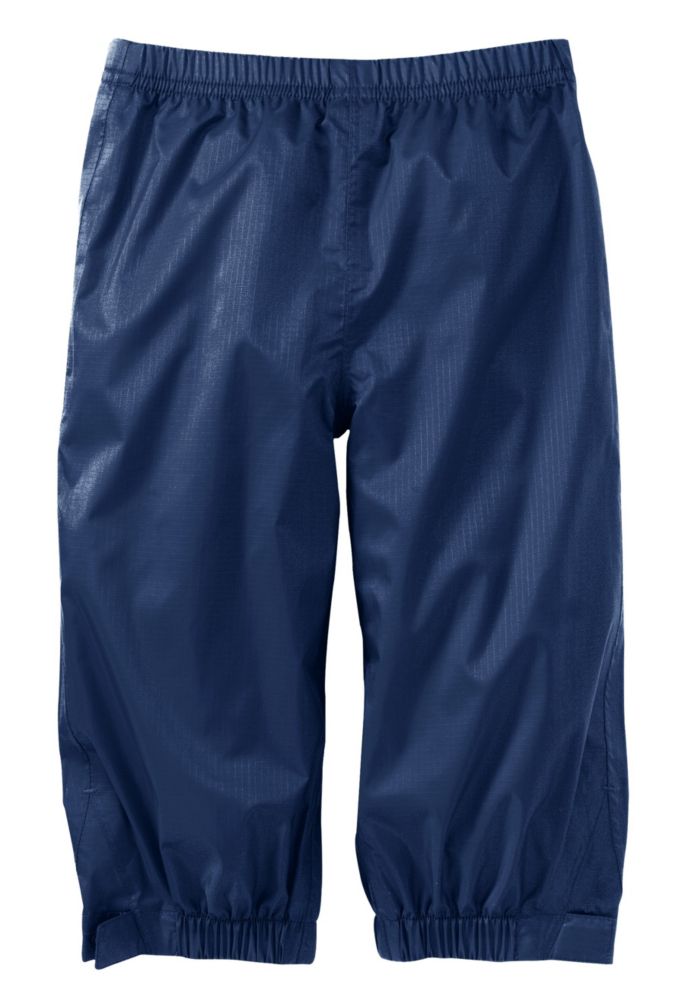
Blue waterproof nylon rain pants with taped seams, elastic hems, and gusseted Velcro closures for play.
(142)
$26.95 $26.95
SALE
$26.95 $26.95
SALE
Kids' Trail Model Rain Pants
L.L.Bean Kids' Trail Model Rain Pants
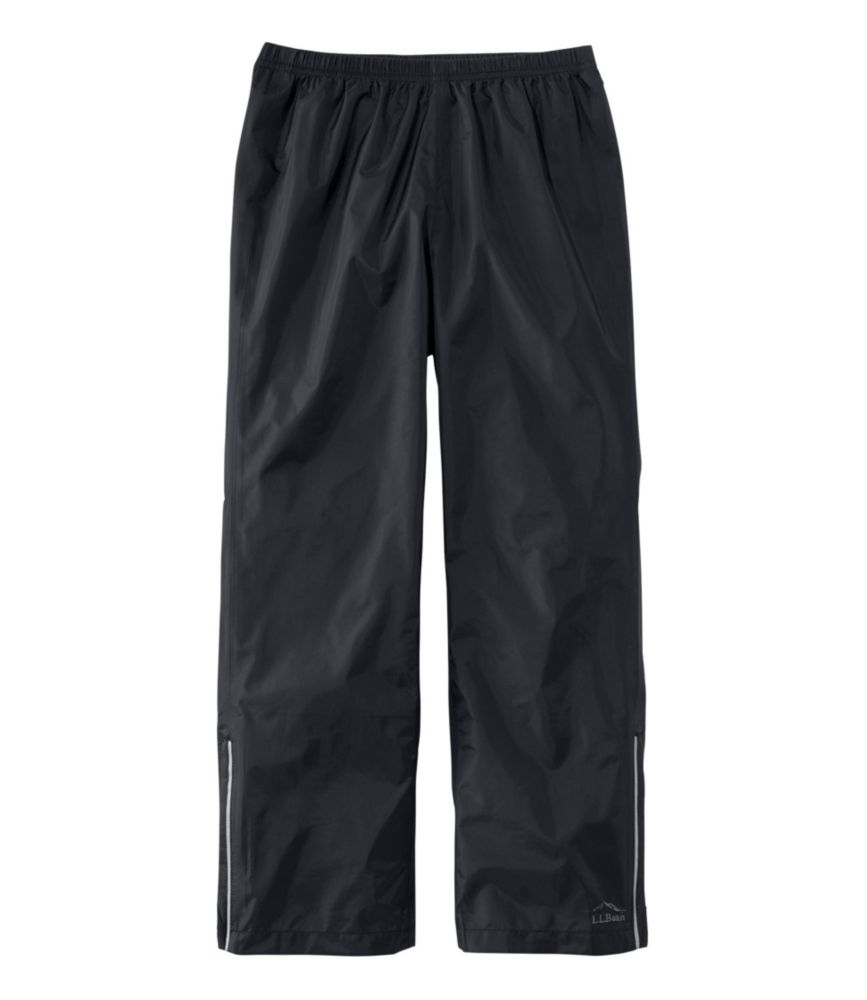
A black rain pant in recycled nylon with breathable, wind-resistant protection, taped seams and reflective details.
(45)
$49.95 $49.95
SALE
$49.95 $49.95
SALE

Childrens Waterproof Snow Pants

Children's waterproof snow pants are a winter clothing choice with one clear feature at the center: waterproof construction. Beyond that shared description, the right pair depends on the child, the fit and the details that matter to the family. A snow-covered backyard or a familiar park under a fresh blanket of white gives children a different way to enjoy being outside together. Choosing clothing for those moments involves more than finding the right size on a tag. The shape of the pants, the way the waist sits and the care requirements all deserve attention alongside the waterproof description. Individual product information provides the clearest picture of each style, without relying on appearance alone. A photograph can show a silhouette, but the written details explain fabric content, construction and sizing more precisely. Waterproof is an important attribute, not a complete description of a garment, and it does not mean that every pair has the same design or care requirements. Families may have different preferences about waistbands, closures, pockets and the shape of the legs. Those preferences often become clear through ordinary routines: getting dressed by the door, keeping track of small belongings and putting everything away after time outside. A familiar style may suit one child, while another may prefer a different shape or fastening. There is no need for every child in a family to wear the same design. What matters is understanding the choices rather than assuming that pants with a similar appearance will fit or feel alike. Children's waterproof snow pants bring the shopping focus to a specific winter category, while leaving room for individual preferences. The most useful comparisons keep that distinction in mind: the waterproof description establishes the category, and the details of each pair help a family decide which one belongs in a child's winter wardrobe.

Fit is where those individual differences become especially noticeable. Height, waist and inseam measurements provide a more useful starting point than age alone, particularly when a child's usual clothing sizes vary from one style to another. The size chart associated with a pair of snow pants matters more than a familiar number from a different garment. Measurements are worth considering together, since the right waist size does not automatically mean the right leg length. The clothing a child will wear underneath also belongs in the fit decision; trying pants over those layers gives a clearer impression than trying them on over something entirely different. At the waist, the question is how the pants sit when the child stands, sits and bends. Through the legs, it helps to notice where the fabric falls and whether the overall shape matches the child's preferences. A few ordinary movements can reveal more than a still pose in front of a mirror. Sitting on a bench, bending the knees and reaching toward the floor give a family a chance to assess the fit before removing the tags, subject to the retailer's return requirements. Extra length is not the same as a better fit, and choosing a larger size does not necessarily solve a mismatch in proportions. Buying with growth in mind is understandable, but the fit a child needs when wearing the pants remains the starting point. Waistband and closure descriptions can also help explain how a particular style is worn, without assuming every design adjusts in the same way. Pant length is best considered with footwear rather than in isolation. Browsing Children's Waterproof Boots alongside snow pants provides a related category to consider when putting together a winter outfit. With the footwear on, it becomes easier to see where the hems fall and how the two pieces meet. These are practical distinctions that help turn a general size choice into a more considered one.

Care, construction and the way a garment is used all belong in the conversation about durability, without making its appearance a promise of how long it will last. The fabric information and care label give families concrete details to work with, especially when comparing pants that look similar in photographs. Fabric content identifies what a garment is made from; cleaning and drying directions explain how that particular garment should be cared for. Those instructions may differ between styles, so one familiar laundry routine should not automatically become the rule for every pair. The individual label remains the place to check washing temperature, detergent guidance, drying directions and any other care requirements. Everyday attention can stay straightforward: emptying pockets, checking hems and noticing any areas that need attention before the pants are put away. A small collection of pebbles or a forgotten tissue is much easier to deal with before laundry day. After cleaning, following the drying instructions and making sure the pants are fully dry before storage keeps the routine consistent with the garment's care information. Between winters, a size check is just as relevant as a condition check; a pair that still looks familiar may fit quite differently after a child's growth. For families passing clothing along, the next child's measurements and the garment's condition both matter more than the size a previous wearer used. Snow pants can also be a thoughtful gift when the giver knows the child's measurements and the family's preferences. Checking with a parent or caregiver about sizing, preferred styles and care considerations makes the choice more personal than guessing from age alone. A gift does not have to be a surprise to be welcome, particularly when fit is part of getting it right. Whether chosen by a parent, caregiver or relative, children's waterproof snow pants are best considered as clothing for a particular child rather than an interchangeable winter purchase. Clear product details, an appropriate fit and an understood care routine give families useful reasons to choose one pair over another—and keep the focus on enjoying time outside together in the snow.

FAQs