It's time to upgrade your browser

Your current browser is no longer supported on llbean.com. Please upgrade to one of the following for a smoother, safer shopping experience with us:

Boys Slippers

Find boys slippers in a range of styles, with sizes and product details to help you compare pairs. Browse for a look he likes, and check each pair’s sizing information to help choose the right fit.
Read More
Kids' Wicked Good Slippers
L.L.Bean Kids' Wicked Good Slippers
A pair of kids' slippers in brown suede with ultrasoft shearling lining and leather soles.
(405)
$49.95 $49.95
SALE
What customers like:
Great fit
Easy to wash
High comfort
Stylish looks
Excellent warmth
$49.95 $49.95
SALE
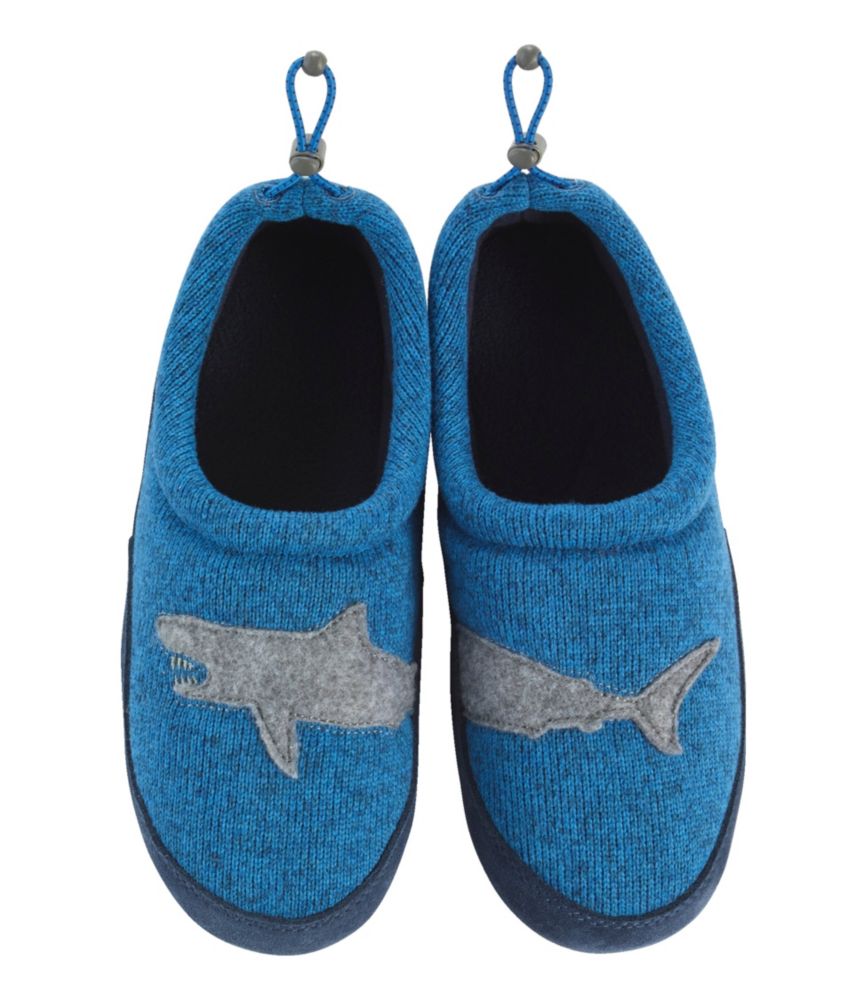
Kids' Sweater Fleece Slippers, Motif
L.L.Bean Kids' Sweater Fleece Slippers, Motif
A kids' slipper in blue sweater fleece with an animal motif, suede bottom and bungee back.
(673)
$39.95 $39.95
SALE
What customers like:
Adjustable features
High quality
Durable material
Cute design
Comfortable fit
$39.95 $39.95
SALE
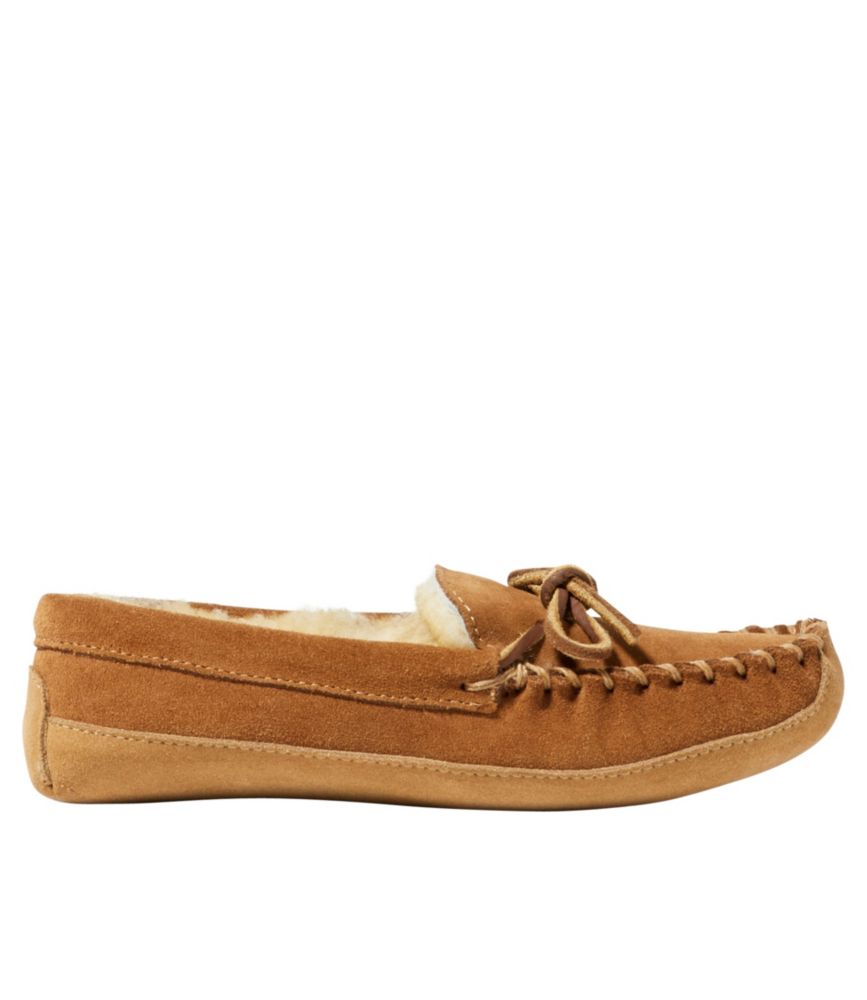
Kids' Wicked Good Mocs
L.L.Bean Kids' Wicked Good Mocs
Kids’ orange shearling slippers with premium suede uppers, rawhide laces, and durable rubber outsoles.
(352)
$69.95 $34.99
SALE
What customers like:
Very cozy
Good quality
High comfort level
Comfortable fit
$69.95 $34.99
SALE
Kids' Animal Slipper
L.L.Bean Kids' Animal Slipper
A kids’ slipper with a soft 3D animal face, fleece lining, EVA cushioning, and suede outsole.
(0)
$44.95 $44.95
SALE
$44.95 $44.95
SALE
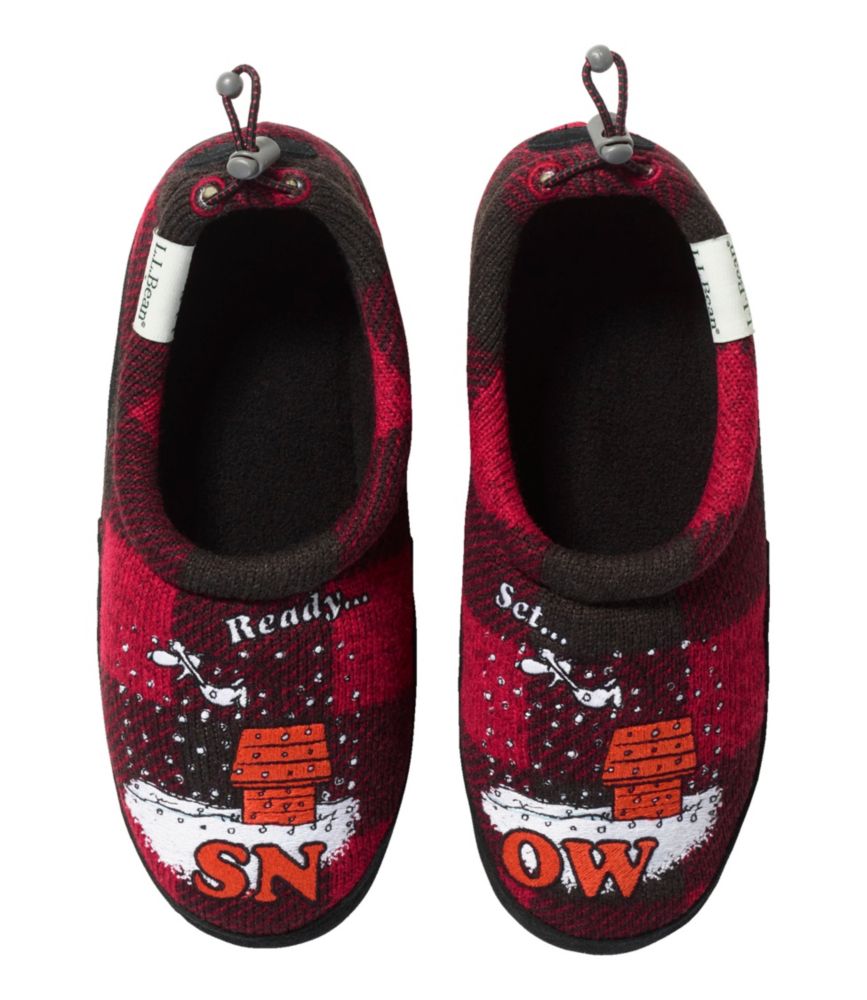
Kids' L.L.Bean X Peanuts Sweater Fleece Slippers
L.L.Bean Kids' L.L.Bean X Peanuts Sweater Fleece Slippers
A pair of cozy kids’ slippers in multicolor sweater fleece with Snoopy details and suede bottoms.
(0)
$39.95 $39.95
SALE
$39.95 $39.95
SALE
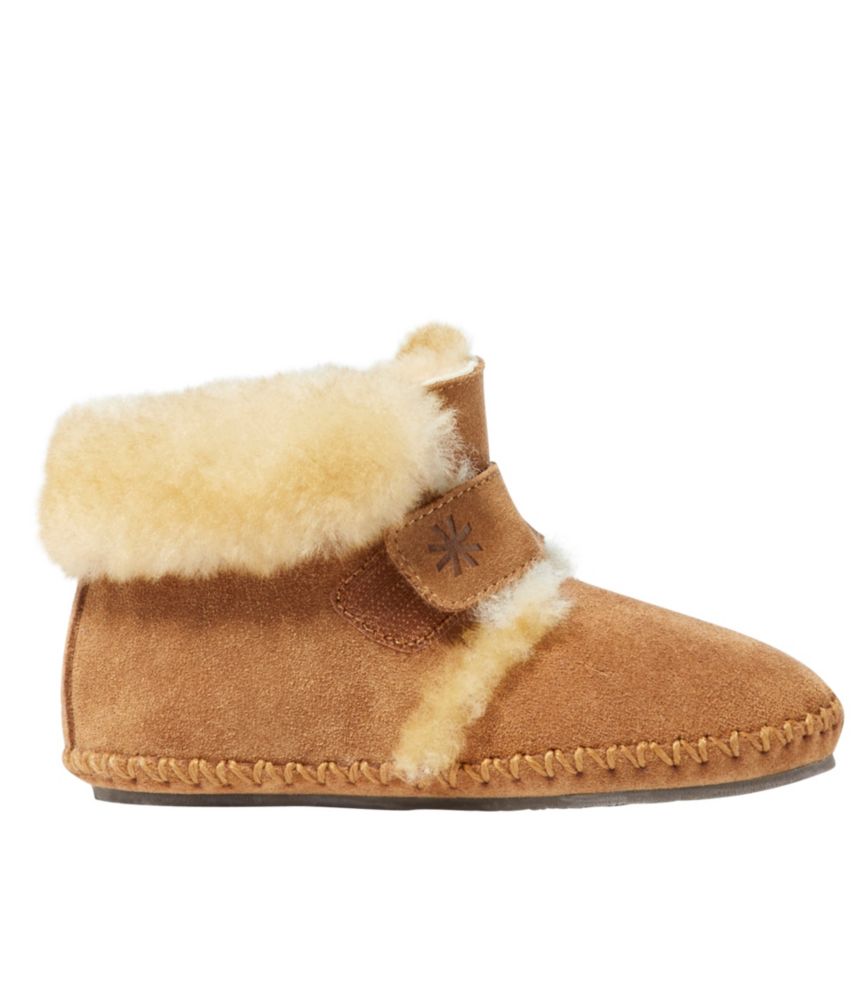
Toddlers' Wicked Good Slippers
L.L.Bean Toddlers' Wicked Good Slippers
Brown toddler slippers with genuine shearling lining, hook-and-loop closure, and a pebbled rubber outsole for traction.
(295)
$54.95 $54.95
SALE
What customers like:
Cute print
Stylish
Cozy
Warm
Good fit
$54.95 $54.95
SALE

Boys Slippers

Boys’ slippers are a small part of a child’s wardrobe, but choosing them can deserve the same attention as choosing the shoes worn out the front door. Personal taste matters, even with everyday essentials: one boy may gravitate toward a familiar color, while another enjoys a pattern that reflects his personality. A pair that feels like his own can be a thoughtful addition to the ordinary rhythms of family life, from getting dressed in the morning to putting belongings away at the end of the day. Start with the child’s current size rather than the size of an older pair tucked into a closet. Growing feet make past purchases an imperfect reference, and sizing conventions can differ between styles. The size information for each pair is a better starting point than an assumption based on age alone. When measurements are needed, follow the directions in the size chart and compare both feet, since they may not measure exactly alike. If a child falls between sizes, look for guidance specific to that style rather than automatically choosing the larger option. Extra room is not a substitute for an appropriate fit. Trying slippers on gives a clearer picture than looking at the size label by itself: pay attention to toe placement, how the heel sits and whether any part of the opening presses against the foot. Let the child describe what feels right and what does not, without dismissing a complaint because the size appears correct on paper. The socks a child expects to wear are another useful consideration when checking fit. For families comparing footwear across different age groups, Toddler Slippers offers a separate category to explore; the sizing and product details for each pair remain the place to confirm the relevant information. Giving each child’s selection its own attention keeps the decision grounded in actual measurements and individual preferences rather than matching everyone by appearance alone.

Beyond size, a closer look at the description and photographs can help distinguish boys’ slippers that seem similar at first glance. Notice the overall shape, the opening and the way the different parts of the slipper come together. Consider whether the child has a preference about how much of the foot is covered or how footwear goes on and comes off, then compare those preferences with the details provided. These are useful distinctions without assuming that one construction is right for every boy. Materials also deserve a careful read, particularly when a child has strong preferences about how something feels against his feet. Check the stated composition rather than relying on a photograph or a familiar-looking surface; appearance alone cannot establish what a slipper is made of or how it will feel. If the description provides separate information for the upper, lining and sole, consider each part rather than treating the slipper as a single material. Intended use should come from the individual product description, too. A sole’s appearance does not establish where a pair should be worn, and a general category name cannot answer every question about a particular design. Care instructions are equally useful before making a choice. A household that follows a regular laundry routine may approach upkeep differently from one that prefers cleaning belongings individually as needed. Read the instructions for the actual pair, including any limits on washing or drying, and avoid assuming that a method used for other footwear will apply. Keeping those directions accessible makes later care less of a guessing game. Durability is another consideration best approached through concrete information rather than broad promises: look at the construction details that are provided and follow the recommended care. Over time, checking seams, edges and soles for visible wear gives families a clearer sense of a pair’s condition. Checking fit again matters as well, since a slipper can still look presentable after a child has grown beyond its size. Together, these small observations make the choice more personal and more informed.

As a gift, boys’ slippers allow room for personality without requiring an elaborate occasion. A grandparent choosing a present, a relative preparing for a family visit or a parent replacing an outgrown pair may all start with the same helpful details: a recent size, the child’s preferences and the care information for the style under consideration. Asking a parent or caregiver for current measurements can preserve the surprise while avoiding a guess based on how old the child is. Color preferences are worth checking, too. The shade a boy liked several years ago may not be the one he would choose today, and siblings do not necessarily share the same taste. Some children enjoy coordinating their belongings, while others appreciate having something distinctly their own. A simple choice that reflects those preferences can feel more thoughtful than a selection based solely on an adult’s idea of what a child should like. During the cooler months, when family calendars often include more gatherings and visits, remembering the practical details keeps a gift from becoming another task for the recipient’s household. Include the care information and retain the sizing details so that the adults helping with the gift have a useful reference. For a child old enough to take part in the selection, comparing a few choices together can be a straightforward way to hear what matters to him. One may care most about the shape; another may focus immediately on color or how the opening feels. Those reactions help narrow the choice without turning an everyday purchase into a complicated project. There is no need for every pair in the family to look alike, and no single appearance defines a good choice for every child. Timeless style can be personal, whether that means a quiet design or a more expressive look. The most useful comparison brings the decision back to the same essentials: accurate sizing, clearly stated materials, appropriate care and the intended use described for the individual pair. With those details considered, boys’ slippers can be chosen with attention to both the child receiving them and the family caring for them.
Read More

FAQs