It's time to upgrade your browser

Your current browser is no longer supported on llbean.com. Please upgrade to one of the following for a smoother, safer shopping experience with us:

Bookshelf Board Games

Browse bookshelf board games to find the right addition to your game collection. Explore the available titles for a familiar favorite or something you haven’t played before, and check individual game details to help narrow your choice.
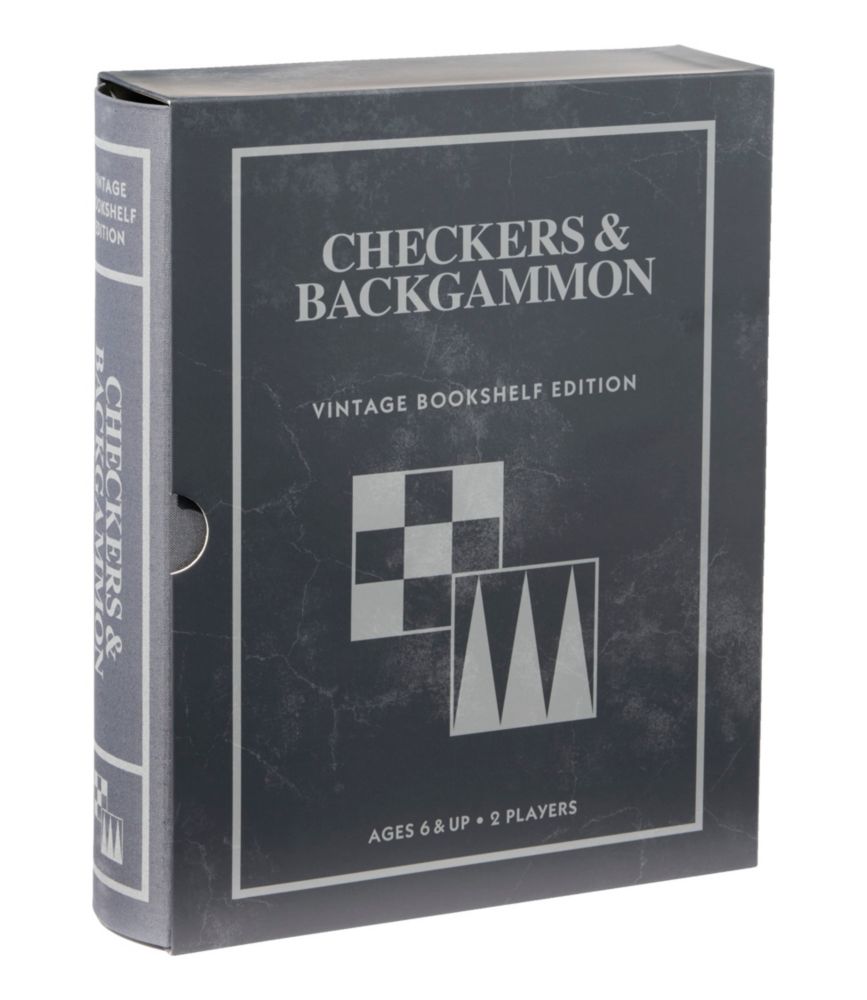
Backgammon/Checkers Vintage Bookshelf Game
A wooden backgammon and checkers set in a vintage fabric-wrapped bookshelf book with dual-sided board.
(0)
$49.95 $49.95
SALE
$49.95 $49.95
SALE
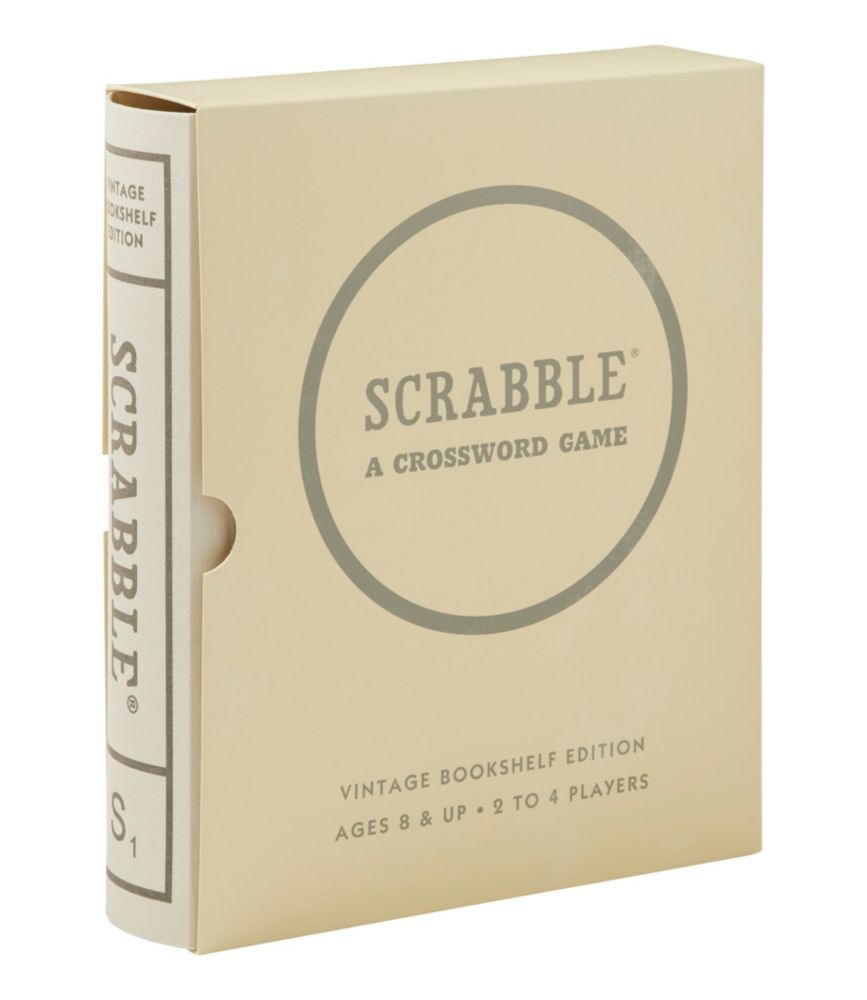
Scrabble Vintage Bookshelf Game
A vintage word game with a linen-wrapped bookshelf design, integrated storage, and wooden tiles and racks.
(0)
$49.95 $49.95
SALE
$49.95 $49.95
SALE
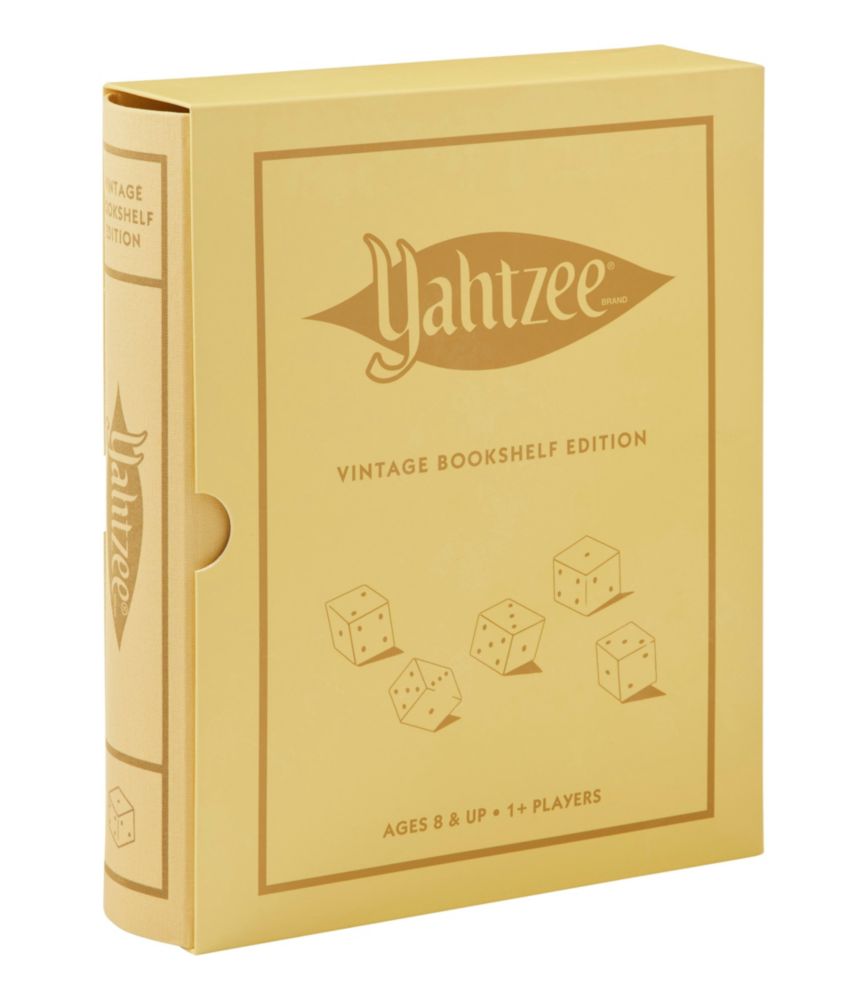
Yahtzee Vintage Bookshelf Game
A vintage-inspired dice game in a linen-wrapped bookshelf-style case with integrated storage and premium accessories.
(0)
$49.95 $49.95
SALE
$49.95 $49.95
SALE
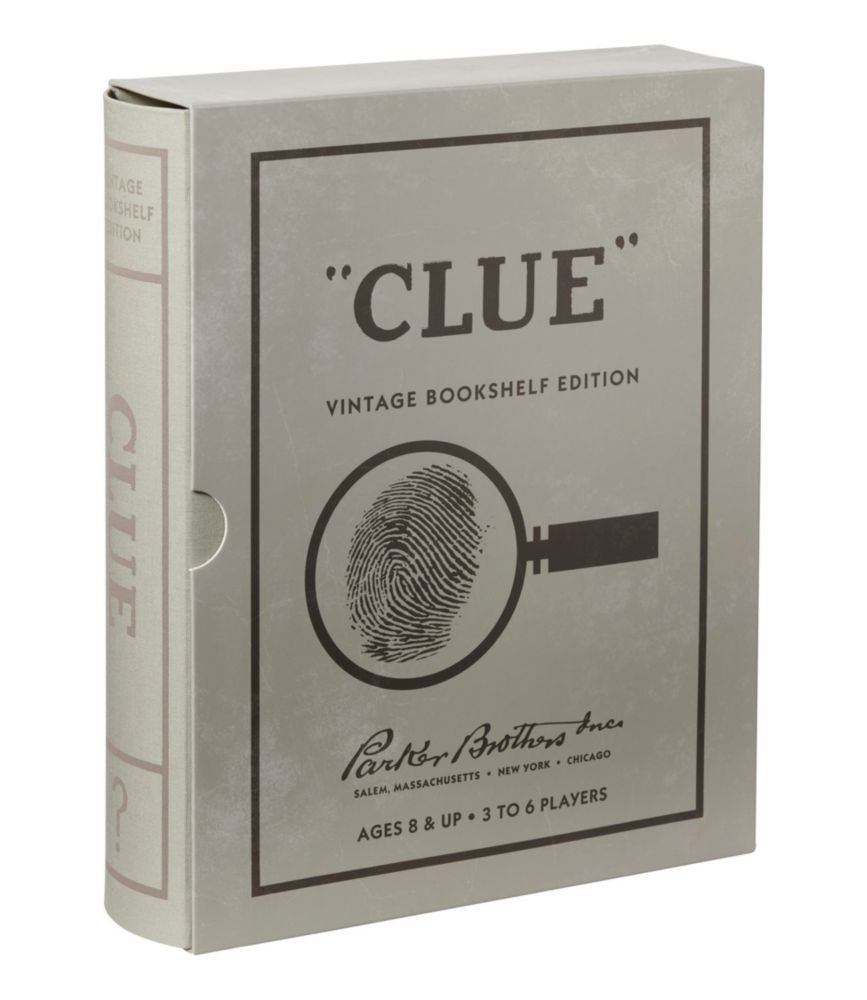
Clue Vintage Bookshelf Game
A vintage whodunit board game in a linen-wrapped book with wooden movers and integrated storage.
(0)
$49.95 $49.95
SALE
$49.95 $49.95
SALE
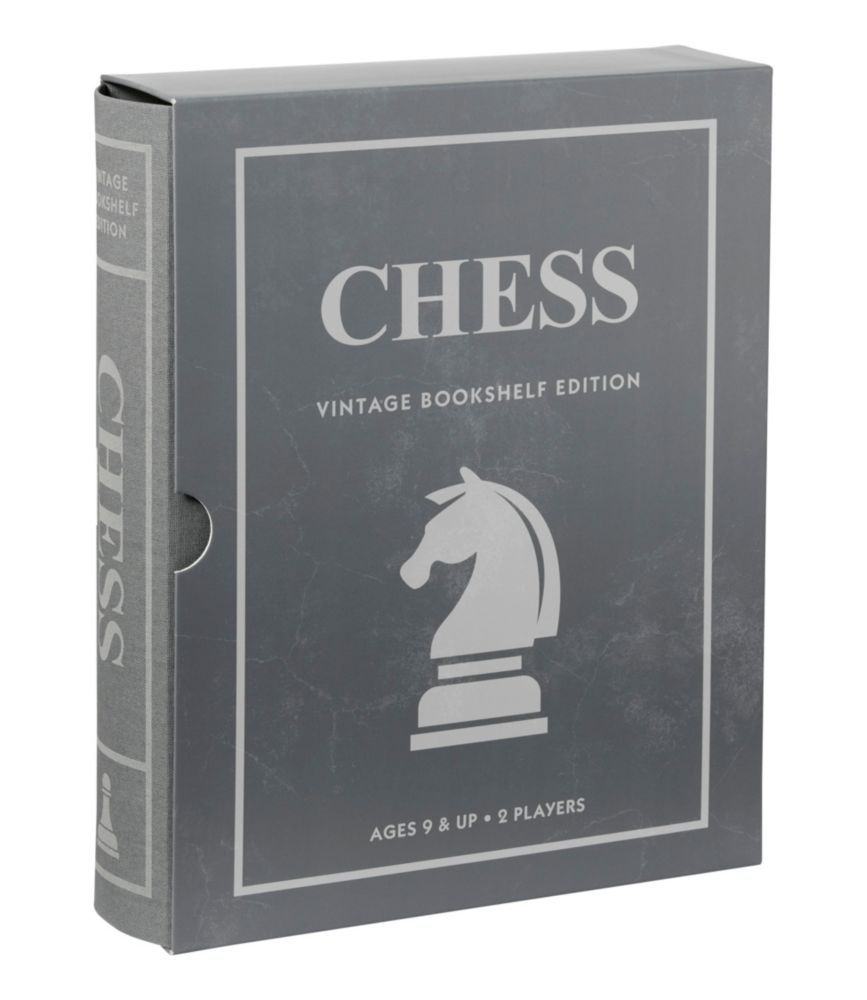
Chess Vintage Bookshelf Game
A wooden chess set in a linen-wrapped vintage book with folding board, fabric pouches and 32 pieces.
(0)
$49.95 $49.95
SALE
$49.95 $49.95
SALE
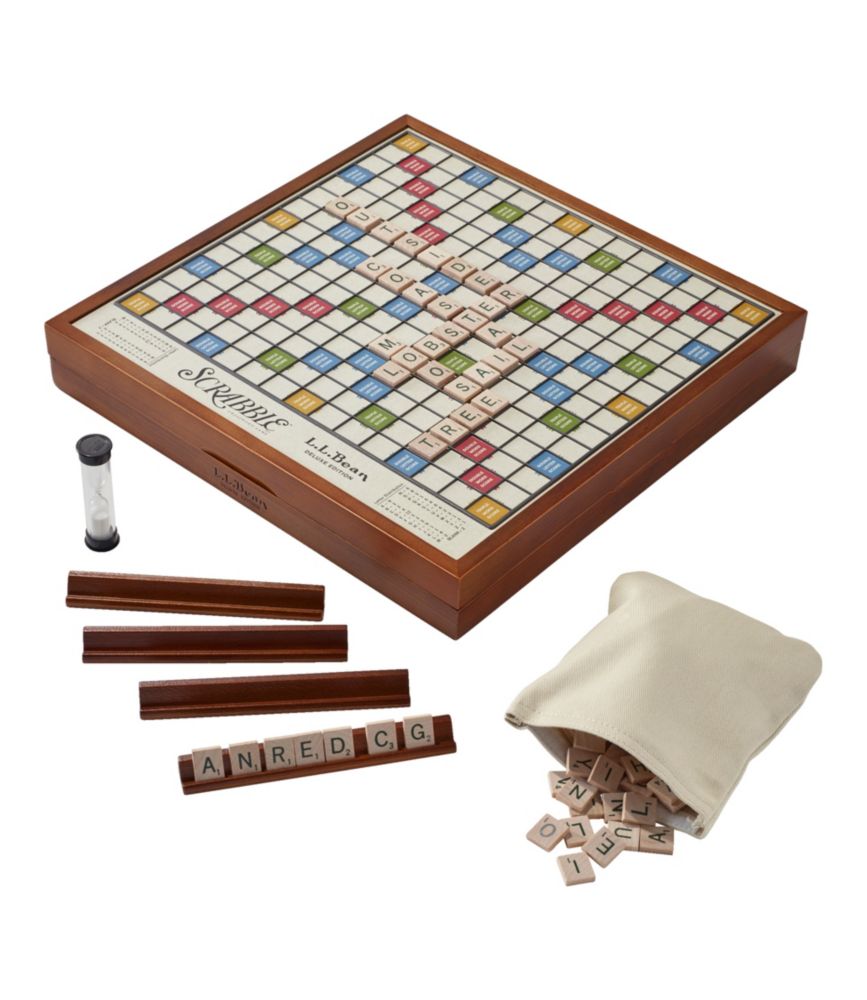
L.L.Bean Deluxe Scrabble
L.L.Bean L.L.Bean Deluxe Scrabble
A multicolor solid-wood word game with rotating base, raised grid, hidden storage and sand timer.
(151)
$170 $170
SALE
What customers like:
High overall quality
Wooden pieces feel premium
Spinning feature adds convenience
$170 $170
SALE

Bookshelf Board Games

Bookshelf board games bring the look of a book collection to the world of board games. The term generally refers to games presented in book-style cases, with cover artwork and a visible spine that become part of the display. It describes the games and their presentation, rather than the shelving or furniture around them. That distinction is helpful when browsing: the appeal lies in a familiar tabletop pastime with an outer design that takes its cue from books. Picture a row of favorite novels, a framed photograph and a recognizable game title standing alongside them. The game becomes another expression of personal taste, something with a place in the room beyond the playing surface. Lettering, illustrations, proportions and the arrangement of titles all contribute to that effect. A cover with a restrained design creates a different impression from one with more elaborate artwork, just as book jackets do. Neither approach needs to match every other object on the shelf. An assortment gathered around genuine interests can feel more personal than a display chosen only for a coordinated appearance. For someone drawn to both books and board games, that connection between the contents and the case is a large part of the attraction. The title on the spine has meaning beyond its place in a row: it may recall a familiar set of rules, a memorable round or someone who always had a particular approach to playing. Bookshelf presentation gives those associations a visible place among other favorite things. It also creates a useful distinction between the appearance of an edition and the game itself. The case is part of the appeal, but the name, edition and accompanying details establish what is inside. A thoughtful selection gives both sides their due—the character of the presentation and an interest in the game behind the cover.

The board game itself remains the heart of the choice. A recognizable title can bring to mind years of shared experience: someone carefully considering a move, another person keeping track of the score, or a conversation that continues long after the last turn. Those small details explain why familiar games often have a lasting place in a household. Personal preferences matter, too. Some people enjoy knowing the rules before the case is opened; others appreciate the process of learning something unfamiliar. Some care most about the decisions made from turn to turn, while others remember the personalities around the table. There is no single preference that defines a worthwhile collection. What matters is the connection between a game and the people interested in it. Bookshelf styling adds another consideration without replacing those interests. A beautiful cover may draw attention first, but the edition’s rules, stated player count and estimated playing time provide a fuller picture. Those details belong to the individual edition, so a familiar name alone does not answer every question. A different presentation is not necessarily a different game, and similar-looking cases do not establish identical contents. The accompanying description helps distinguish appearance from the particulars of play. That balance can make browsing more rewarding: appreciation for the design sits alongside recognition of what makes the game interesting. A shelf need not represent every kind of board game or follow someone else’s idea of a complete collection. A few well-chosen titles can reflect a household’s interests just as clearly as a much larger assortment. For another collection connected with familiar tabletop pastimes, explore Family Jigsaw Puzzles. The common thread is an appreciation for activities with their own pace and character, and for the memories people attach to them.

The practical details deserve the same attention as the cover. Case measurements help establish how a bookshelf edition relates to the space already set aside for it; photographs alone cannot show that relationship precisely. Height, width and depth each matter to the overall arrangement, especially beside books of different sizes. A title’s position on the case also contributes to how the display reads, whether the eye catches the spine first or the front cover. These are straightforward design considerations, but they can make the difference between a game that looks appealing in isolation and one that feels at home in a personal collection. Beyond the outer case, the listed contents explain what accompanies that particular edition. The relationship between the board, any included components and the packaging is specific to the game, rather than something established by the phrase “bookshelf edition.” Product details are also the place for construction information and any provided care directions. Appearance alone cannot establish how an edition should be cleaned or maintained, and instructions supplied for one case should not be assumed to apply to another. Keeping those distinctions clear leaves room to appreciate the design without asking it to tell the entire story. The same is true of age recommendations and other information supplied with an individual game: they are details to consider in their own right, separate from the styling of the cover. Ultimately, the strongest appeal of bookshelf board games is the relationship between a familiar pastime and a considered presentation. There is pleasure in recognizing a favorite title from across the room and in seeing a collection take shape over time. One person may prefer a consistent visual arrangement; another may enjoy an assortment that reflects different interests and memories. Either approach leaves space for individual taste. A game earns its place through more than its appearance, yet its appearance can become part of what makes it familiar—the lettering on the spine, the artwork on the cover and the anticipation attached to opening it again.

FAQs