It's time to upgrade your browser

Your current browser is no longer supported on llbean.com. Please upgrade to one of the following for a smoother, safer shopping experience with us:

Black Cotton Dresses

Explore black cotton dresses with simple, timeless style. Compare individual dresses by cut, length, cotton content and sizing to find the right match for your wardrobe, whether you prefer a familiar silhouette or something different.
Read More
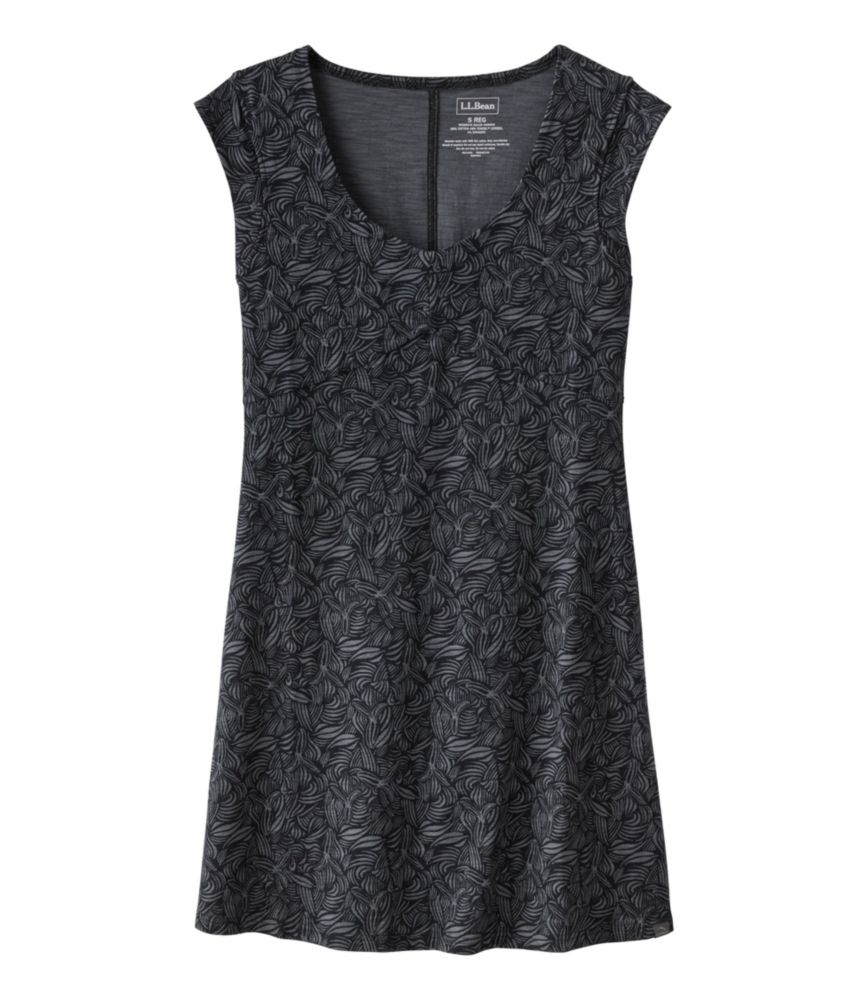
Women's Summer Knit Dress
L.L.Bean Women's Summer Knit Dress
A versatile black summer dress with a flattering A-line silhouette, made from soft jersey-knit rayon and spandex.
(627)
$54.95 $34.99
SALE
What customers like:
Versatile for various activities
Flattering fit
Comfortable and stylish
Great for hot weather
Lightweight and soft
$54.95 $34.99
SALE
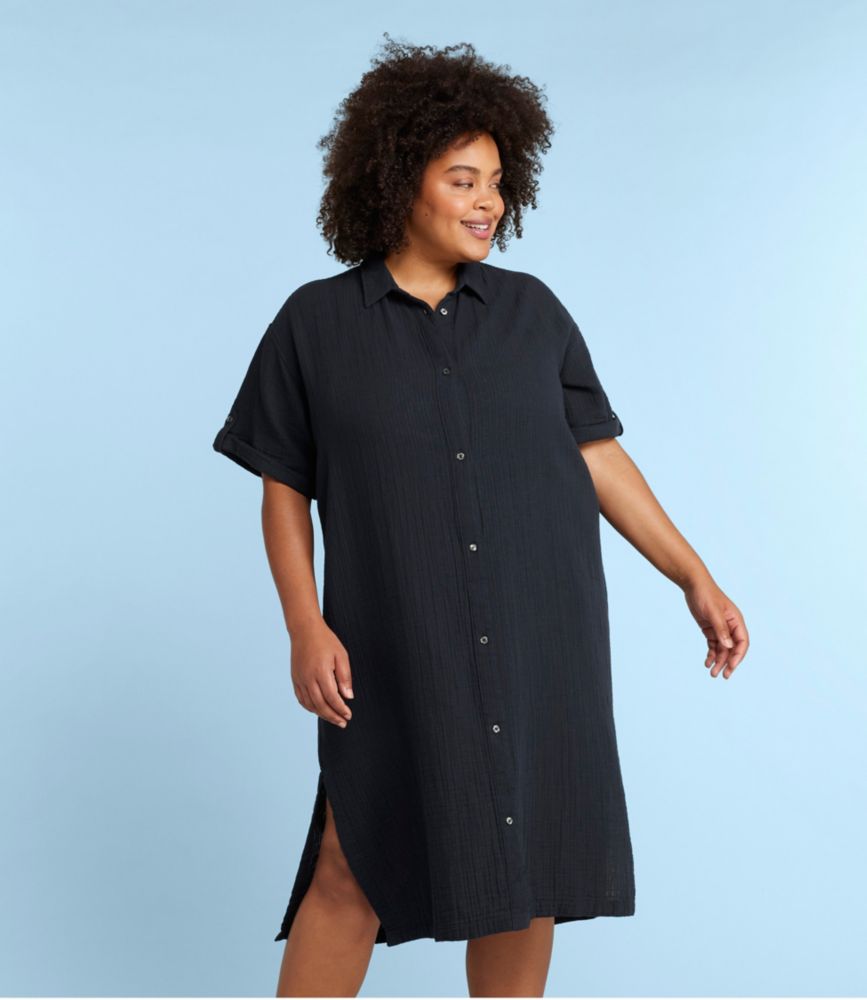
Women's Cloud Gauze Midi Dress
L.L.Bean Women's Cloud Gauze Midi Dress
A breezy black midi dress crafted from lightweight 100% cotton gauze with relaxed fit and pleated back.
(0)
$79 $38.99
SALE
$79 $38.99
SALE
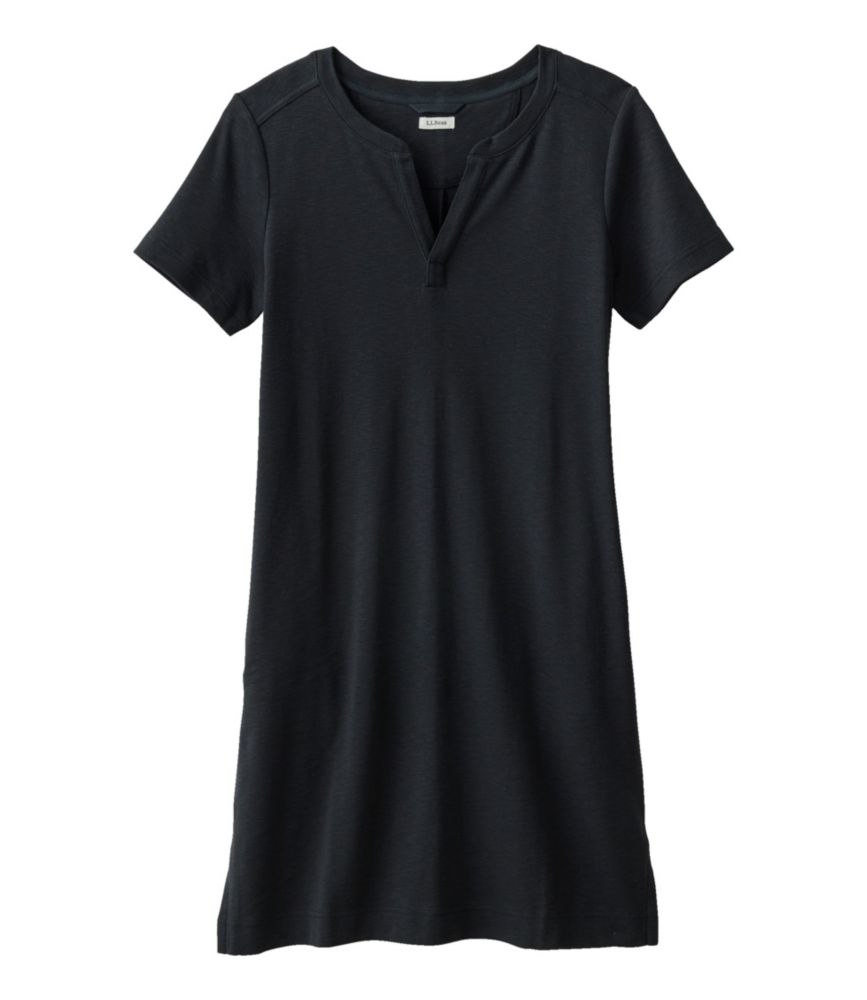
Women's Rocky Coast Slub-Knit Splitneck Dress
L.L.Bean Women's Rocky Coast Slub-Knit Splitneck Dress
A versatile black t-shirt dress in soft cotton slub with a split neck and side seam pockets.
(0)
$69 $33.99
SALE
$69 $33.99
SALE
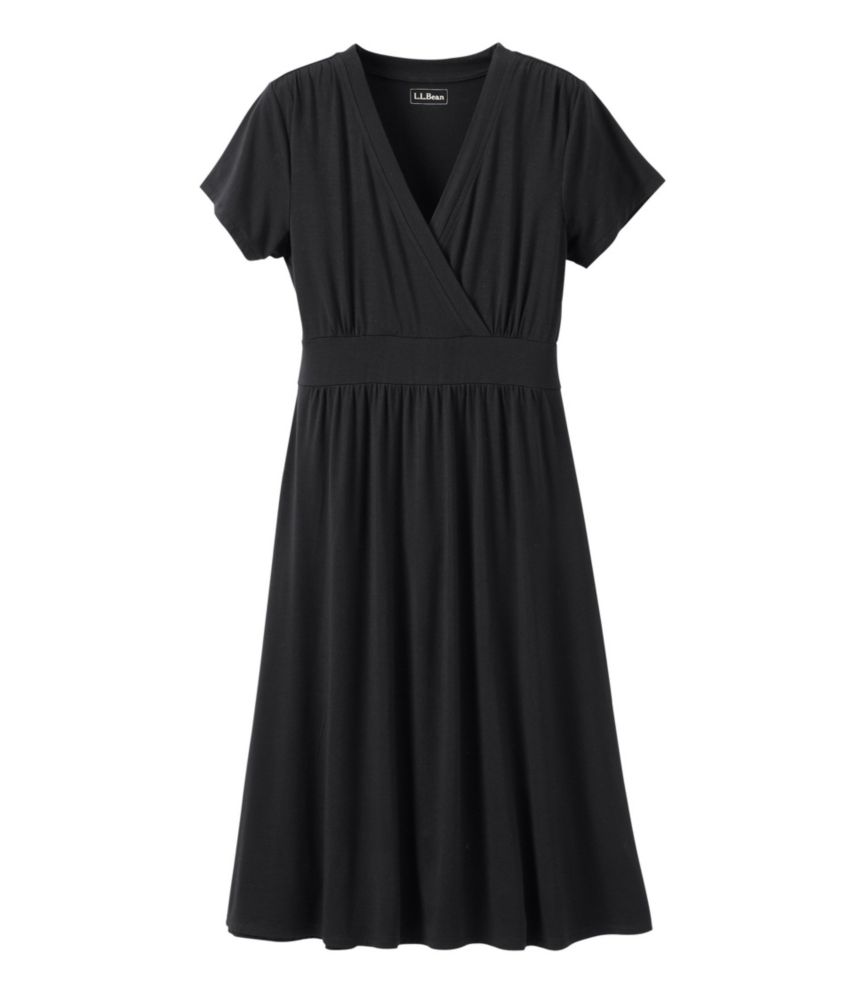
Women's Beech Point Dress, Print
L.L.Bean Women's Beech Point Dress, Print
A black printed dress with UPF 50+ protection, featuring a soft, stretchy jersey blend and cap sleeves.
(0)
$79 $38.99
SALE
$79 $38.99
SALE

Black Cotton Dresses

Black cotton dresses bring together a familiar material and a color with an enduring place in personal style. The appeal is straightforward: a dress creates a complete look in one piece, while black leaves plenty of room for individual expression through shape, proportion, and accessories. Yet dresses that share a color and material can look quite different. A defined waist draws attention to the outline of the dress, while a straighter silhouette creates a less interrupted line from shoulder to hem. A fuller skirt changes the proportions again, particularly when paired with a closer-fitting bodice. Those differences are worth noticing before focusing on smaller decorative details. Start with the shapes that already feel like a natural part of your wardrobe rather than an idea of what a black dress ought to be. Someone drawn to simple, clean lines may appreciate an understated neckline and minimal detailing; someone who enjoys a little more definition may look closely at gathers, seams, or a shaped waist. Neither approach needs elaborate styling to feel considered. A small pendant, a patterned scarf, or a favorite pair of earrings can bring a personal touch without competing with the dress. Keeping accessories in similar tones creates a quieter look, while a contrasting color gives the eye a distinct point of interest. Even the relationship between a neckline and a necklace can change the overall impression: a pendant that falls below the neckline looks different from a shorter necklace that follows its curve. Black makes those choices especially noticeable because the background remains consistent. The most useful starting point is not a long list of accessories, but a clear sense of the proportions and details you enjoy wearing. A cotton dress in black can be considered on those terms first, with the rest of the look taking shape around it.

Fit deserves the same attention as appearance, especially when comparing dresses through photographs and measurements. The shoulder line, bust, waist, and hip measurements each tell part of the story, but their relationship matters more than any single number. A dress can have the desired amount of room through the skirt and still sit differently than expected through the upper body. Compare the size chart with current measurements, then look for any description of how the dress is intended to fit. A closer cut and a relaxed cut should not be judged by the same expectations, and choosing a larger size does not necessarily recreate the proportions of a different silhouette. Length is another important detail. The same stated length can fall at different points depending on height and body proportions, so a familiar dress can provide a helpful reference. Measure it according to the method shown in the listing, if one is provided, and note where its hem falls. Waist placement deserves a similar comparison: a seam that sits above, at, or below the natural waist changes how the bodice and skirt relate to each other. Sleeves and necklines also affect the overall balance, even when the rest of the shape is simple. Look at front and back views rather than relying on a single photograph, and pay attention to details that matter personally, such as the depth of a neckline or the position of a closure. When trying on a dress, sit down, reach forward, and take a few steps to see whether the fit matches your preference. Notice any pulling at seams, shifting at the shoulders, or unexpected changes in the hemline. These are observations about the individual fit, not reasons to favor one silhouette over another. The goal is a dress whose proportions feel right without requiring constant adjustment or a styling solution for a detail you never liked in the first place.

Cotton is central to this collection’s theme, but the word alone does not describe every aspect of a dress. The full material description, fabric construction, and design details provide a more complete picture than a category name can. Read the fiber-content information rather than assuming that every cotton dress has the same composition, and use close-up photographs to examine the visible texture and stitching. A fabric’s appearance may be smooth or more textured, while gathers, pleats, and seams can give an otherwise simple black dress a distinct character. Photographs can help show those details, although lighting and screen settings can affect how black appears. For a related selection, Cotton Blend Dresses offers another category to explore, with each dress’s material information providing the basis for comparison. Care instructions are equally worth reading before making a choice. Follow the garment’s label for washing, drying, and pressing rather than treating cotton as a single set of care requirements. Check whether any trim or other construction detail has separate instructions, and choose a dress whose recommended care fits your routine. Long-term satisfaction involves more than a first impression, so consider the finishing and design information alongside the look you like. No color or fiber name, by itself, establishes how a garment will hold up over time. Once a dress becomes part of your wardrobe, checking seams, closures, and any attached details gives you a chance to notice small repairs that may need attention. Storage should also suit the individual garment and its care guidance rather than a blanket rule for every dress. These practical considerations belong alongside style, not apart from it. A carefully chosen black cotton dress reflects both: the shape and details that appeal to you, the fit you prefer, and the care you are prepared to give it. Together, those considerations make the choice more personal and more useful than simply finding another black dress.
Read More

FAQs