It's time to upgrade your browser

Your current browser is no longer supported on llbean.com. Please upgrade to one of the following for a smoother, safer shopping experience with us:

Athletic Fit Jeans

Find athletic fit jeans with extra room through the seat and thighs and classic jeans styling. Browse the selection and compare each pair’s fit details, waist size and inseam options to find the right fit for you.
Read More
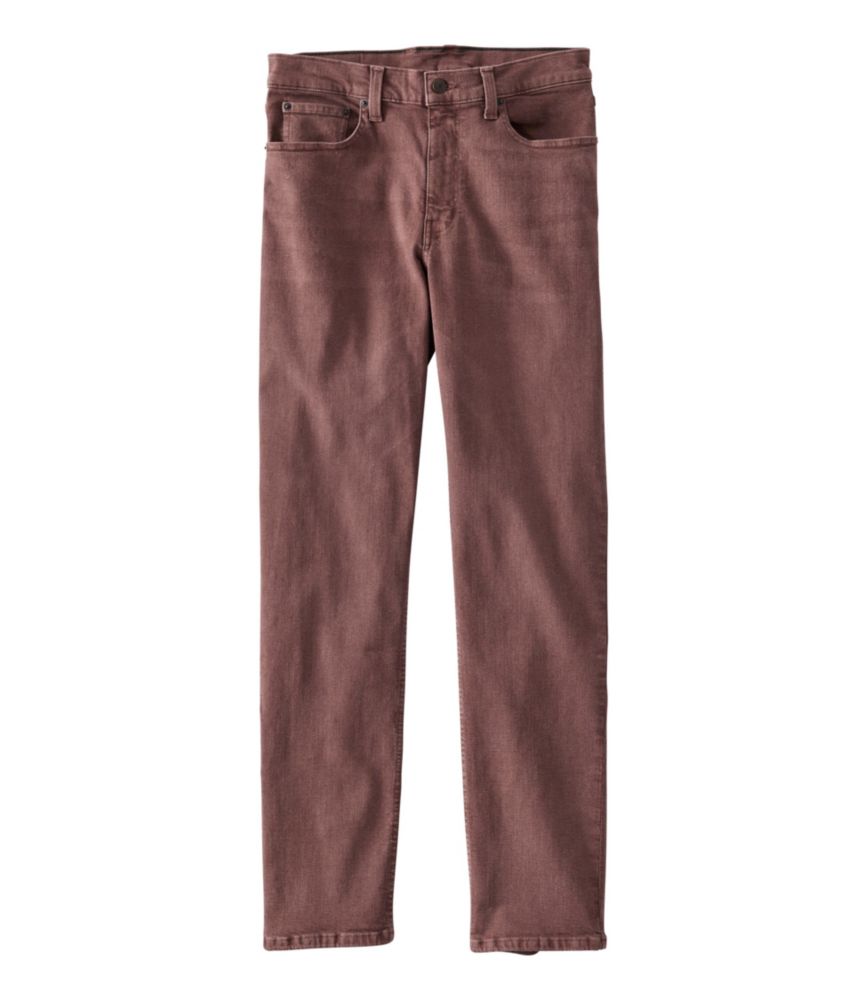
Men's BeanFlex® Jeans, Standard Athletic Fit
L.L.Bean Men's BeanFlex® Jeans, Standard Athletic Fit
A pair of red denim cotton blend jeans offering stretch, moisture-wicking comfort, and a straight athletic fit.
(3,962)
$89.95 $89.95
SALE
$89.95 $89.95
SALE
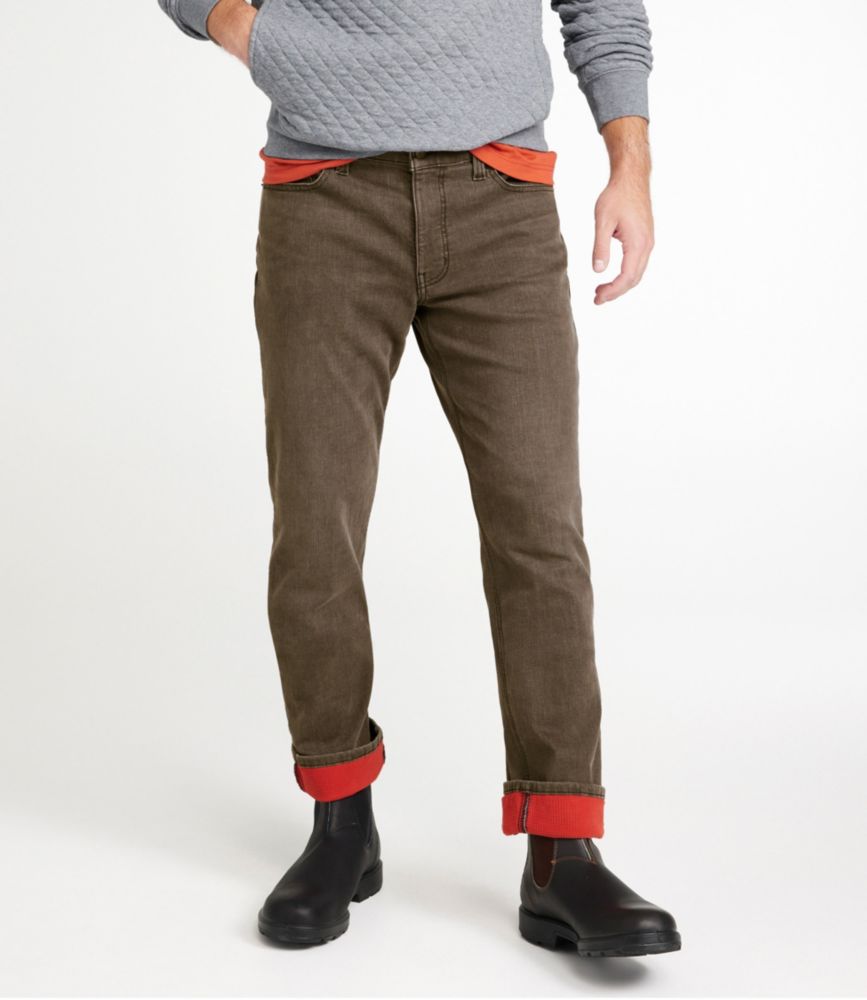
Men's BeanFlex® Jeans, Standard Athletic Fit, Fleece-Lined
L.L.Bean Men's BeanFlex® Jeans, Standard Athletic Fit, Fleece-Lined
A pair of dark cinder denim jeans with fleece lining, offering flexibility and moisture-wicking comfort.
(619)
$110 $110
SALE
What customers like:
Great fit
Very comfortable
Excellent stretch
Cozy lining
Warm fleece lining
$110 $110
SALE
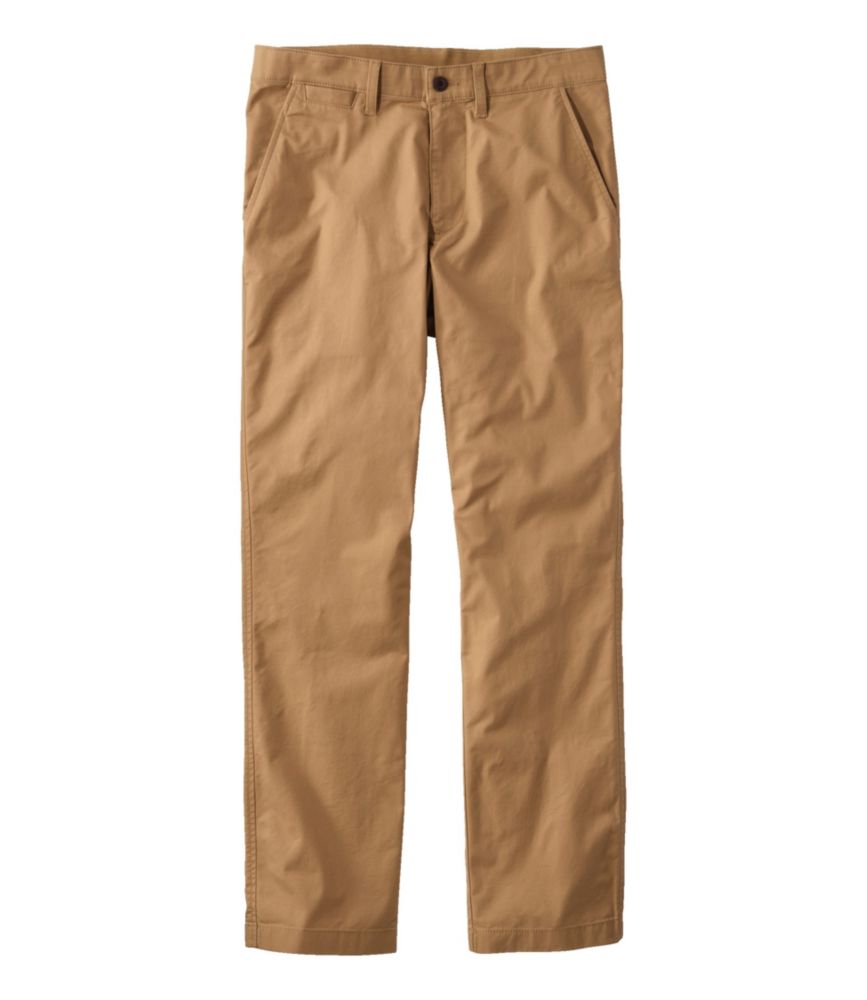
Men's Comfort Stretch Performance® Chinos, Standard Athletic Fit
L.L.Bean Men's Comfort Stretch Performance® Chinos, Standard Athletic Fit
A pair of heritage khaki chinos with a soft cotton/nylon blend, seven pockets, and water resistance.
(0)
$89.95 $64.99
SALE
$89.95 $64.99
SALE

Athletic Fit Jeans

Athletic fit jeans are defined by their proportions: extra room through the seat and thighs, balanced by a more closely shaped leg. The term generally describes a cut for people whose thighs need more space than a standard slim silhouette provides, without making the entire pair look oversized. Many athletic fits taper toward the ankle, though the degree of taper and the shape of the leg opening vary by design. That distinction matters because athletic fit is not simply another name for relaxed fit, nor does it always mean a narrow ankle. It describes the relationship between the upper and lower portions of the jeans. For someone who finds that jeans fit at the waist but pull across the thighs, this shape offers a different starting point than moving up a waist size. A larger size changes several measurements at once; an athletic cut addresses the proportions of the silhouette itself. The result is a style worth considering for fuller thighs or a more developed seat, whether or not the person wearing it identifies as an athlete. Body shape, rather than a particular hobby or training routine, is the relevant consideration. These jeans also belong to a familiar, timeless style tradition, with a shape that can look balanced rather than either very close-fitting or deliberately oversized. A little more volume above the knee and a more defined line below it create the characteristic outline. From the front, side, and back, the important relationship is the same: enough space in the upper leg, a waist that sits as intended, and a lower leg whose shape suits personal preference. Athletic fit is therefore best understood as a proportion choice, not a universal size standard or a promise that every pair will have identical measurements.

The details within that overall shape give athletic fit jeans much of their individual character. Rise determines where the waistband sits, while inseam affects where the hem falls; neither measurement is established by the words “athletic fit” alone. A person can prefer extra thigh room and still want a higher or lower rise, a shorter hem, or a different amount of taper. Likewise, a closely shaped lower leg can create a different impression from a straighter one even when both pairs have similar room through the seat. Someone who likes a defined outline from knee to ankle may be drawn to an athletic slim silhouette, while someone who prefers a less pronounced taper may favor a different interpretation of athletic fit. The related men’s athletic slim fit jeans category brings that more specific fit description into focus. The distinction is useful when the goal is to preserve room where it matters without choosing more volume throughout the whole leg. Length contributes just as much to the overall look. A hem that rests near the top of a shoe shows the leg shape differently from one that gathers in folds above it, and a turned cuff changes the visual balance again. Personal style can guide those choices without requiring a completely different fit category. An untucked shirt leaves the waistband less visible, while a tucked shirt makes the rise and waist placement a more noticeable part of the outfit. Similarly, a fuller top emphasizes a different balance than a closer-cut one. These are small differences, but they help explain why two people with similar measurements may prefer different jeans. Athletic fit leaves room for those preferences: the defining feature is the proportion through the seat and thighs, not a single prescribed look from waist to hem. A familiar pair with a preferred rise or inseam can provide a useful point of reference when comparing the measurements and fit descriptions of another style.

There is more to choosing jeans than the fit name, and the most useful details are the ones attached to the individual pair. Athletic fit does not identify a particular fabric composition, fabric weight, care routine, or level of durability. Those details deserve their own attention rather than being assumed from the silhouette. Fabric information explains what a pair is made from, while its care label provides the relevant washing and drying directions. Following those directions keeps care decisions grounded in the actual garment instead of a general rule about jeans. Construction details and any stated care considerations also provide a clearer basis for comparison than the athletic label alone. The same is true of intended use: “athletic” describes the cut here, not a claim that the jeans are exercise clothing or specialized equipment. Personal preferences remain central, including the desired appearance, the amount of room through the upper leg, and how the jeans relate to the rest of a wardrobe. Someone who already likes a classic jeans-and-shirt combination may simply want a better proportion through the thighs rather than a new style altogether. Another person may be looking for a more defined lower leg after finding that a roomier cut looks too full below the knee. Athletic fit gives both shoppers a meaningful shape to consider without making their preferences identical. For a gift, knowing the recipient’s usual waist size and inseam is helpful, but knowing their preferred fit adds important context. A familiar size alone may not capture whether they like a close or generous thigh, a pronounced taper, or a particular rise. The fit description on a pair they already enjoy can be more informative than guessing from appearance or assuming that an active person wants an athletic cut. Ultimately, the appeal of athletic fit jeans is straightforward: a familiar wardrobe staple with proportions that acknowledge the difference between needing more thigh room and wanting a larger pair everywhere. Clear fit information, thoughtful attention to the individual garment, and a sense of personal style make that distinction easier to recognize.
Read More

FAQs