It's time to upgrade your browser

Your current browser is no longer supported on llbean.com. Please upgrade to one of the following for a smoother, safer shopping experience with us:

32 Oz Nalgene Water Bottles

Explore 32 oz Nalgene water bottles and compare the available options in this 32-ounce collection. Review individual product details for the differences that matter to you before choosing your bottle.
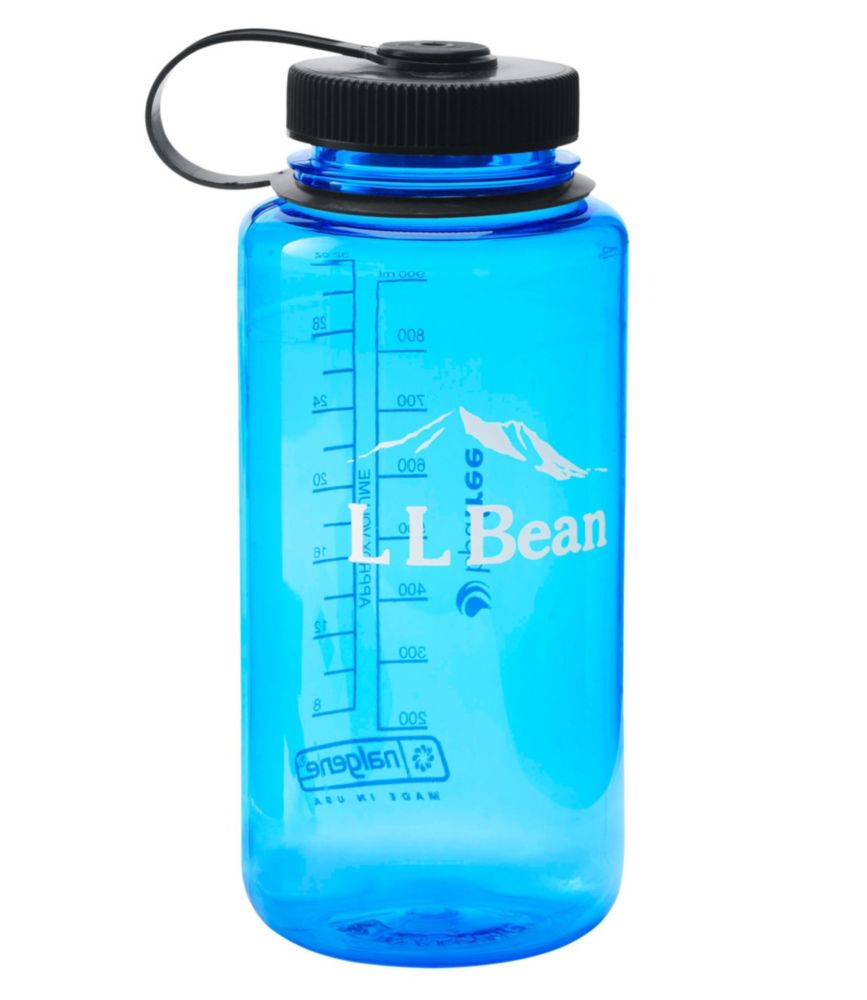
Nalgene Sustain Wide Mouth Water Bottle with L.L.Bean Print, 32 oz.
L.L.Bean Nalgene Sustain Wide Mouth Water Bottle with L.L.Bean Print, 32 oz.
A blue copolyester water bottle with 50% recycled material, a leakproof cap, and wide mouth.
(208)
$18.95 $18.95
SALE
What customers like:
Great quality
Nice fit
Looks sharp
Comfortable
Soft
$18.95 $18.95
SALE
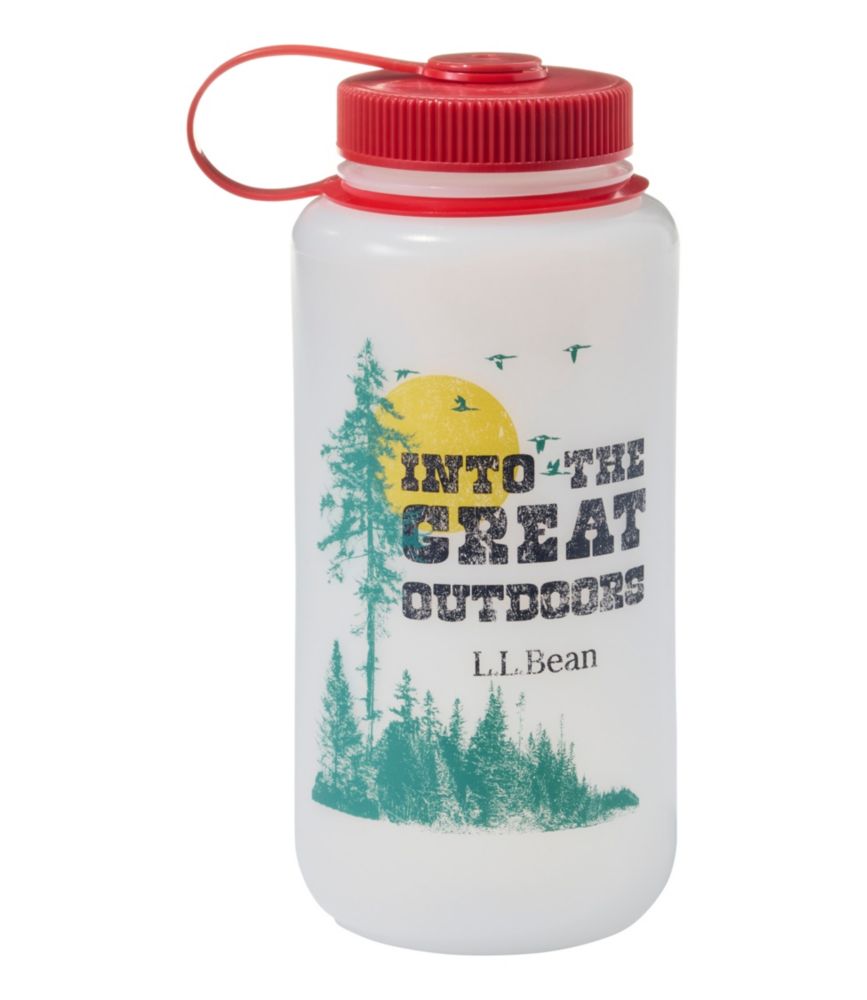
Nalgene Ultralite Wide Mouth Water Bottle with L.L.Bean Print, 32 oz.
L.L.Bean Nalgene Ultralite Wide Mouth Water Bottle with L.L.Bean Print, 32 oz.
A polyethylene water bottle with a leakproof wide-mouth design, loop-top lid, and BPA- and BPS-free construction.
(0)
$14.95 $14.95
SALE
$14.95 $14.95
SALE
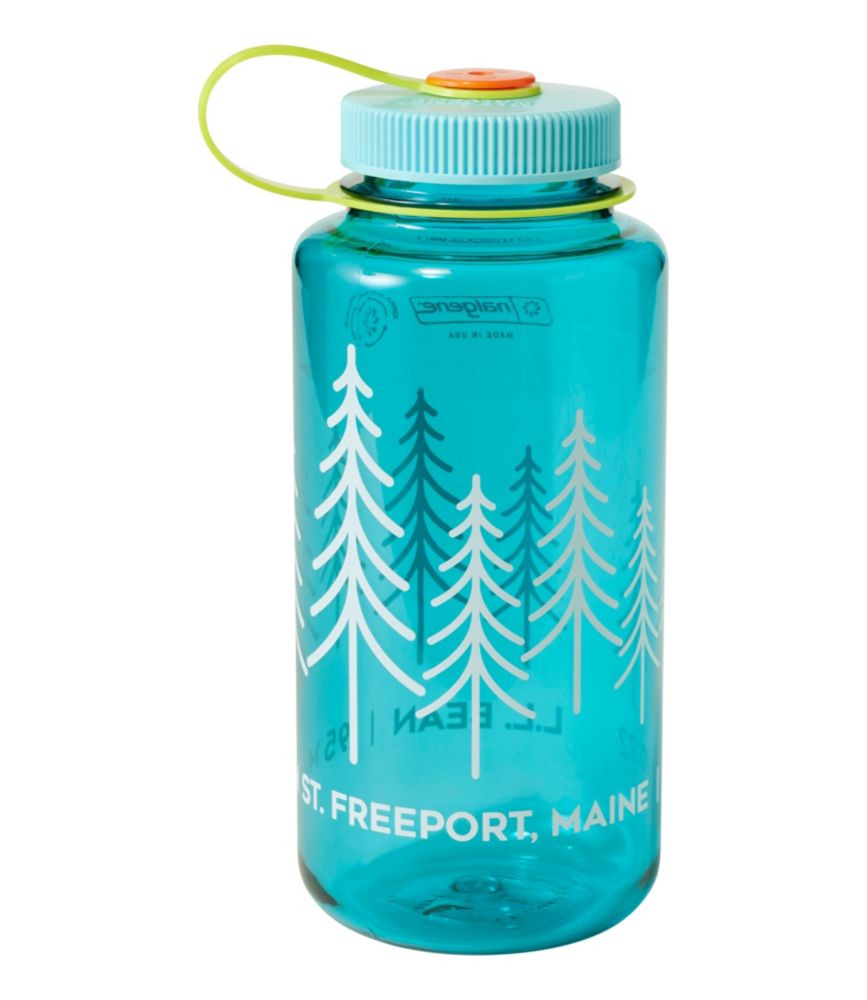
Nalgene Sustain Wide Mouth Water Bottle with L.L.Bean Logo, 32 oz.
L.L.Bean Nalgene Sustain Wide Mouth Water Bottle with L.L.Bean Logo, 32 oz.
A blue copolyester water bottle made with 50% recycled materials, featuring wide mouth and leakproof cap.
(0)
$18.95 $18.95
SALE
$18.95 $18.95
SALE

32 Oz Nalgene Water Bottles

With a capacity equal to four standard 8-fluid-ounce cups, 32 oz water bottles offer a familiar point of reference within a wide range of bottle sizes. That volume is also equal to one U.S. liquid quart, or approximately 946 milliliters. These are different ways of describing the same capacity, which helps put product descriptions in perspective when one uses ounces and another uses metric measurements. A 32 oz bottle is slightly smaller in capacity than a full liter, which equals approximately 33.8 U.S. fluid ounces. The distinction is useful when comparing bottles whose photographs make them appear nearly identical in size. For another familiar comparison, 32 fluid ounces is twice the capacity of a 16-fluid-ounce bottle and eight fluid ounces more than a 24-fluid-ounce bottle. The number describes how much liquid a bottle holds, rather than the weight of the empty container or its exterior measurements. Height, width and overall proportions remain separate details. Two bottles with the same stated capacity can have different silhouettes, with one appearing taller and another broader. A close-up photograph can make a bottle look larger than it is, while a wider photograph may make that same size seem compact. Listed dimensions provide a more dependable sense of scale. This combination of a recognizable volume and individually specified dimensions gives the collection a clear starting point without making every bottle interchangeable. The 32 oz designation answers one important question about size, while the rest of the description fills in the picture. For shoppers who already have a bottle in a familiar size, comparing its stated capacity and measurements with those shown on the page can make the differences easier to visualize. A few inches of height or a different body shape may be more noticeable in person than the difference suggested by an ounce count alone.

Appearance brings another dimension to the choice, especially when several bottles share the same capacity. The outline of the body, the proportions of the cap and the placement of lettering all contribute to the overall look. A preference for a simple, understated design is different from a preference for a bottle with a more distinctive visual character, and neither depends on choosing a larger or smaller size. Color, where shown, can influence that impression just as much as shape. A shade that catches the eye in an isolated photograph may look different beside the other belongings it will accompany, so the full set of product images can be more informative than the first image alone. Close views are useful for understanding small design details, while full-length views show how those details relate to the bottle as a whole. The opening and closure deserve the same attention as the body. Their shapes are part of the bottle’s design, but photographs do not always communicate their measurements. Any listed opening dimensions or closure details add information that the 32 oz capacity cannot supply. The same is true of overall height: a measurement may include the cap, and the wording of the specification helps clarify what has been measured. These distinctions are particularly useful when comparing a bottle with one already on hand. Setting that familiar bottle beside a ruler can turn an abstract measurement into something concrete, whether the difference is a slightly wider base or a taller profile. There is no single silhouette implied by the capacity alone. Instead, the appeal lies in finding the proportions and appearance that match personal preferences, with the stated volume remaining consistent throughout the comparison. A bottle can look straightforward at first glance and still have details worth a closer look.

Care information completes that picture and belongs with the individual bottle rather than with the size category. The product description and the instructions supplied with the bottle are the appropriate references for washing the body, caring for the cap and handling any separate components. Instructions for a familiar bottle should not automatically be carried over to another simply because both hold 32 fluid ounces. Where a description identifies different components, its care information helps explain how those parts should be treated. Keeping those instructions accessible also makes it easier to check a detail later instead of relying on memory. This is part of making a considered choice: the dimensions explain the bottle’s scale, the photographs show its appearance, and the care directions explain the attention it requires. Each contributes something different, and none needs to stand in for the others. A comparison with Heavy Duty Water Bottles can provide another browsing starting point, with the individual descriptions remaining the place to review each bottle’s specifications. Within this collection, the shared 32 oz capacity keeps the focus on a particular size while leaving the finer details to each listing. That makes side-by-side comparisons most useful when the same information is considered for every option: stated volume, exterior measurements, opening details, closure description and care guidance. It also helps separate a visual preference from a measurable difference. A favorite shape may draw attention first, while a closer reading confirms its proportions; another bottle may have a similar outline but different dimensions. The most meaningful choice comes from bringing those details together rather than treating any one photograph or measurement as the whole story. With a clear understanding of what 32 oz represents, the collection becomes easier to explore on its own terms—a defined capacity, individual designs and the details needed to make an informed selection.

FAQs